
Start with a correct fit before you wear it out
A lace edge lasts longer when the unit sits where it should from the first wear. If the cap is too tight the lace rubs hard against the forehead, and if it is too loose you end up tugging at the front all day. That repeated movement is what weakens delicate lace fast, especially in Durban's humidity where sweat and moisture can soften the hold.
Before you leave the house, check that the lace lies flat from temple to temple. The front hairline should not lift when you smile, look down, or turn your head. If you wear your wig for long hours, consider a cap size adjustment or private consultation so the lace is supported properly.
- Make sure the hairline matches your own natural line
- Keep the front secure without pulling hard on the lace
- Check for pressure points around the ears and nape
- Refit if the unit shifts when you move or talk
Handle the lace with dry hands and light fingers
The lace edge is not meant to be touched often. Every time you press, scratch, or lift at the front you loosen knots and wear down the fine mesh. When applying or removing a wig, use the tabs and inner structure where possible, not the lace front itself. That small habit helps more than most people expect.
Keep your hands clean and dry when you style around the hairline. Oils from fingers transfer to the lace and can make adhesive slip quicker, while wet hands can stretch the delicate edge. If you are rushing before work in Umhlanga or heading out after a beach day, take ten seconds to check your hands first, its worth it.
- Lift from the sides or back, not the lace line
- Avoid digging nails into the front edge
- Do not twist or fold the lace when packing away
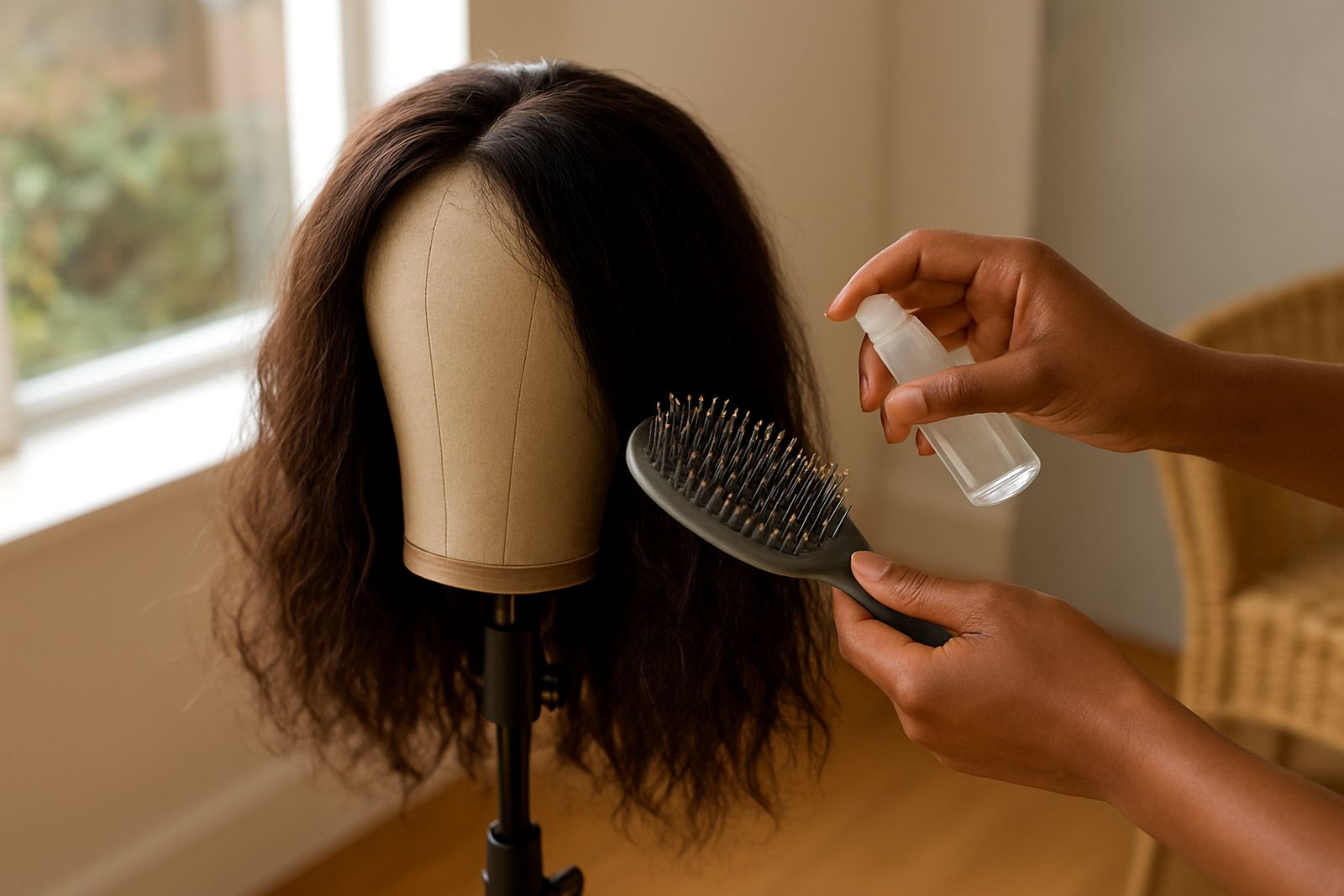
- Use a soft brush for the top section and keep brushing away from the hairline
Clean adhesive and product build-up the safe way
Glue, spray and foundation residue can clog the lace and weaken the front over time. If build-up is left on too long, it becomes harder to remove and people often start rubbing more firmly, which is where damage begins. A gentle clean after each wear helps preserve the edge and keeps the parting looking neat.
Use a mild method suited to the product you applied, then let the lace dry fully before the next wear. Never soak the lace for longer than needed and avoid harsh scrubbing at the hairline. For customising or ongoing maintenance, a wig styling or wig refresh appointment can help restore the front without overworking the mesh.
- Remove residue soon after wear instead of letting it harden
- Use a soft cloth or cotton pad rather than rough fabric
- Let adhesive dissolve properly before lifting the lace
- Pat dry and keep heat away from the edge
Protect the front during washing and styling
Washing is one of the most common times for lace damage, because the front is usually wet, handled more, and pulled into shape afterwards. Support the unit from underneath when rinsing, and do not wring the lace. A little extra care matters even more with lace front wigs and custom units, since the front has the most visible detailing.
When styling, keep hot tools away from the edge and do not press a hot comb directly onto the lace. In coastal weather the front can also puff up faster, so gentle smoothing is better than repeated heat. If you need a cleaner finish for a special booking or event hair appointment, ask for a style that works with the lace rather than against it.
- Rinse with the front facing down slightly, not folded over
- Apply shampoo softly through the hair and avoid harsh rubbing at the edge
- Blot dry with a towel, do not twist
- Keep heat, glue and heavy oils away from the lace line
Store it properly between wears and during travel
Good storage protects the lace just as much as careful wear. Tossing a wig into a drawer, car boot or travel bag can crease the front and catch the fine mesh on clips, zips and rough fabric. If you are commuting around Durban North, Ballito or Westville, or couriering a unit nationwide, give the lace a bit of structure when it is not on the head.
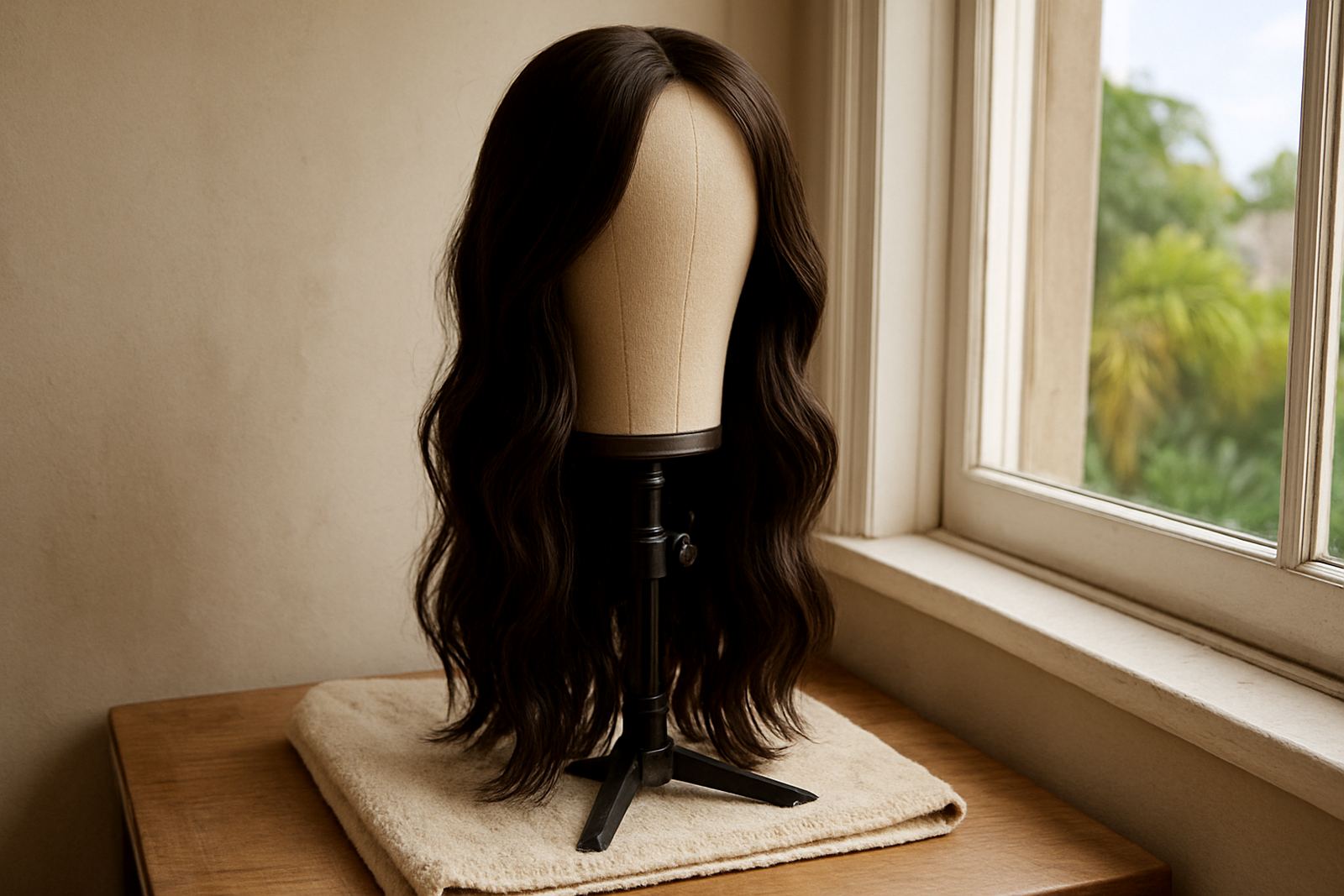
Place the wig on a stand or wrap it lightly in a satin scarf so the front keeps its shape. Keep it away from direct sun, high heat and damp bathrooms. In humid areas like coastal KwaZulu-Natal, storage in a dry room helps prevent frizz and keeps the front from getting sticky or limp.
- Keep the lace flat, never folded sharply
- Use a stand, silk bag or satin wrap
- Store away from heaters, windows and steamy rooms
- Separate hairpieces from pins, clips and sharp accessories
Know when to book a touch-up instead of pushing through
Sometimes the best way to protect the lace edge is to stop using it when it starts to show wear. Small tears, lifting at the temples, thinning knots or stretched mesh are warning signs. If you keep forcing a tired front to hold, the damage spreads and the repair gets harder.
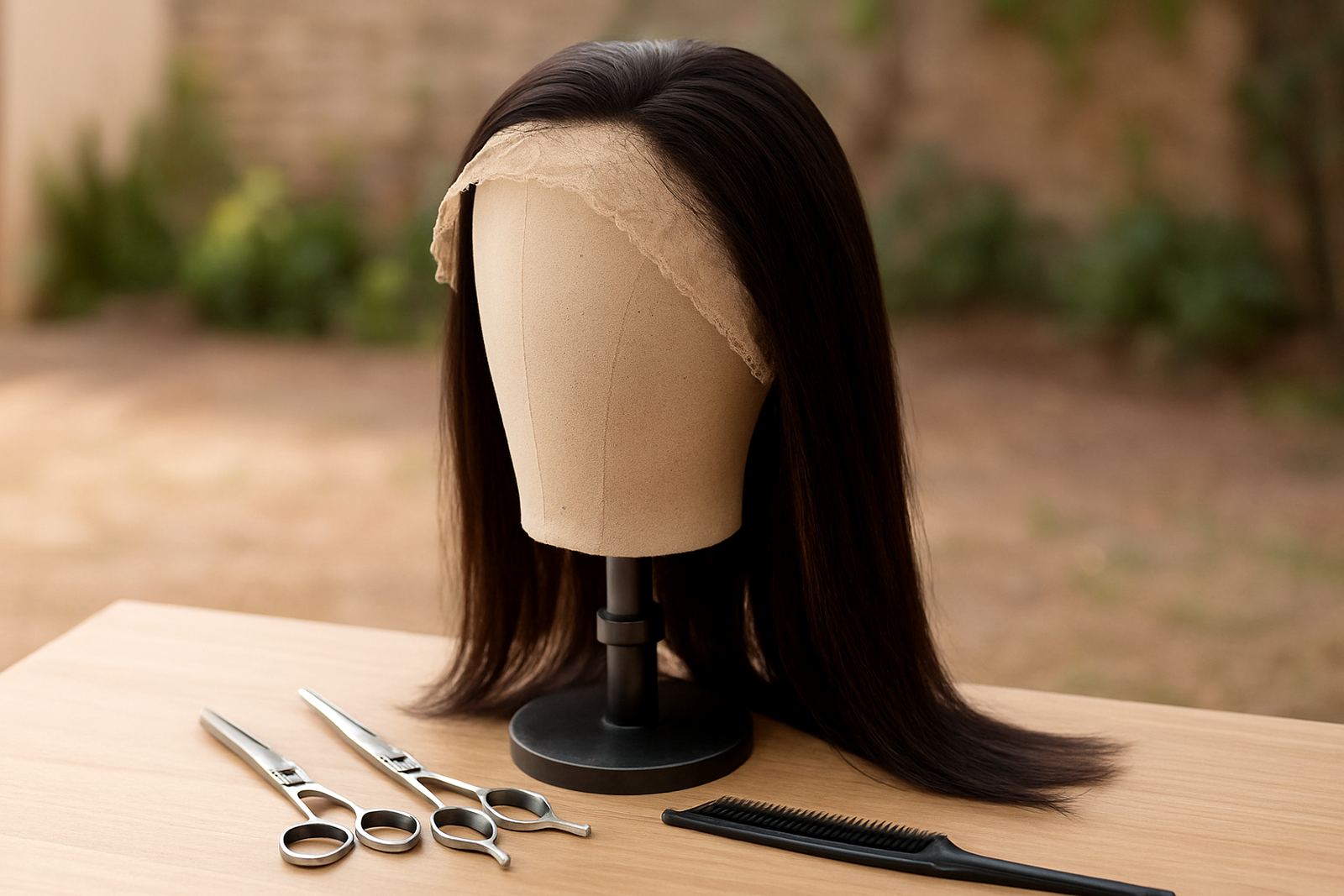
Book a private consultation or virtual consultation if the front is no longer sitting neatly, or if you need a fresh colour match after changing your look. A lace customising service can also help tidy the front line and make the unit wear better. In many cases a timely wig refresh saves money because it extends the life of what you already have.
- Check for fraying along the hairline after each few wears
- Stop using heavy adhesive if the lace starts lifting repeatedly
- Ask for help with fit, finish or styling before the damage gets worse
- Replace or repair early rather than waiting for a full tear