
Why frizz appears faster in humid KwaZulu-Natal weather
Humidity pulls water into the hair shaft and lifts the outer layer, which is why smooth styles can start puffing up as soon as you step outside in Umhlanga or Ballito. Repeated wear adds more strain. Clips, combs, adhesive strips and daily brushing all create friction, and that friction roughs up the fibres over time.
If you wear human hair or heat-friendly extensions, frizz can also come from dryness. Coastal air, strong sun and indoor aircon can strip moisture. For synthetic pieces the issue is a bit different, because too much heat, rough handling or the wrong product can make the fibre look fuzzy and dull. The fix is not heavy product every day, but a simple routine that matches the hair type.
- Check the fibre type before adding any spray or serum
- Limit dry brushing on worn pieces
- Keep heat low and use it only when needed
- Store hair away from dust, steam and direct sunlight
Wash gently so you do not strip the hair
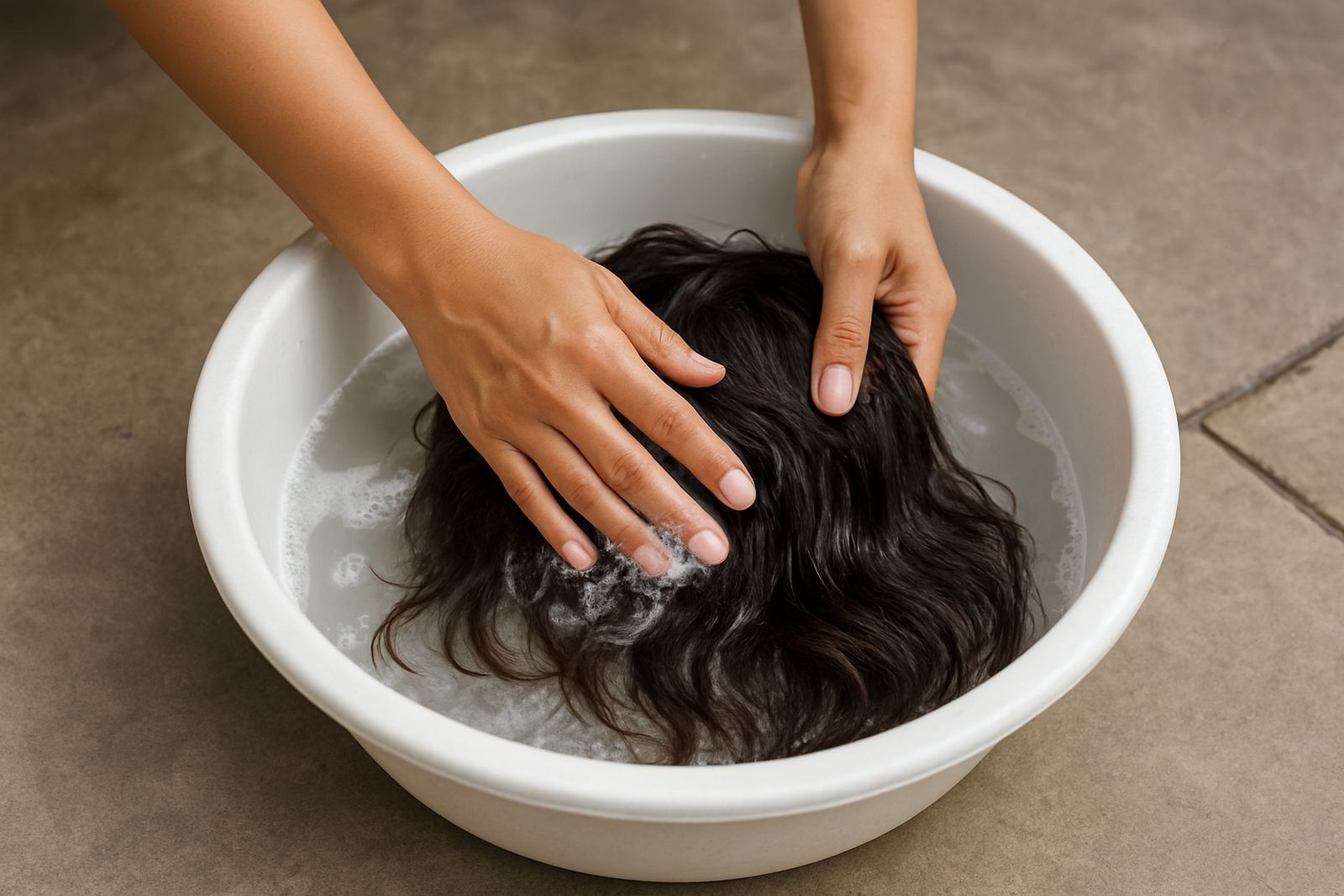
A harsh wash often makes frizz worse than the weather does. Use lukewarm water, not hot water, and spread shampoo between your palms before you apply it. Work from the roots to the ends with light pressure. If the piece has tangles, let the water and cleanser loosen them rather than scrubbing.
Conditioner should go on the mid-lengths and ends, not on the base, lace or attachment points. Leave it on for the recommended time and rinse properly. Product left behind can make the fibre feel coated, then it attracts dust and lint. After repeated wear, this build-up is a common reason why hair starts to look dry and frizzy even when it has been washed.
- Use a wide-tooth comb only when the hair is damp and has slip
- Pat dry with a towel, do not rub
- Blot lace and cap areas carefully so they keep their shape
- Finish with a cool rinse if the hair allows it
Dry it in the right direction to keep the cuticle smooth
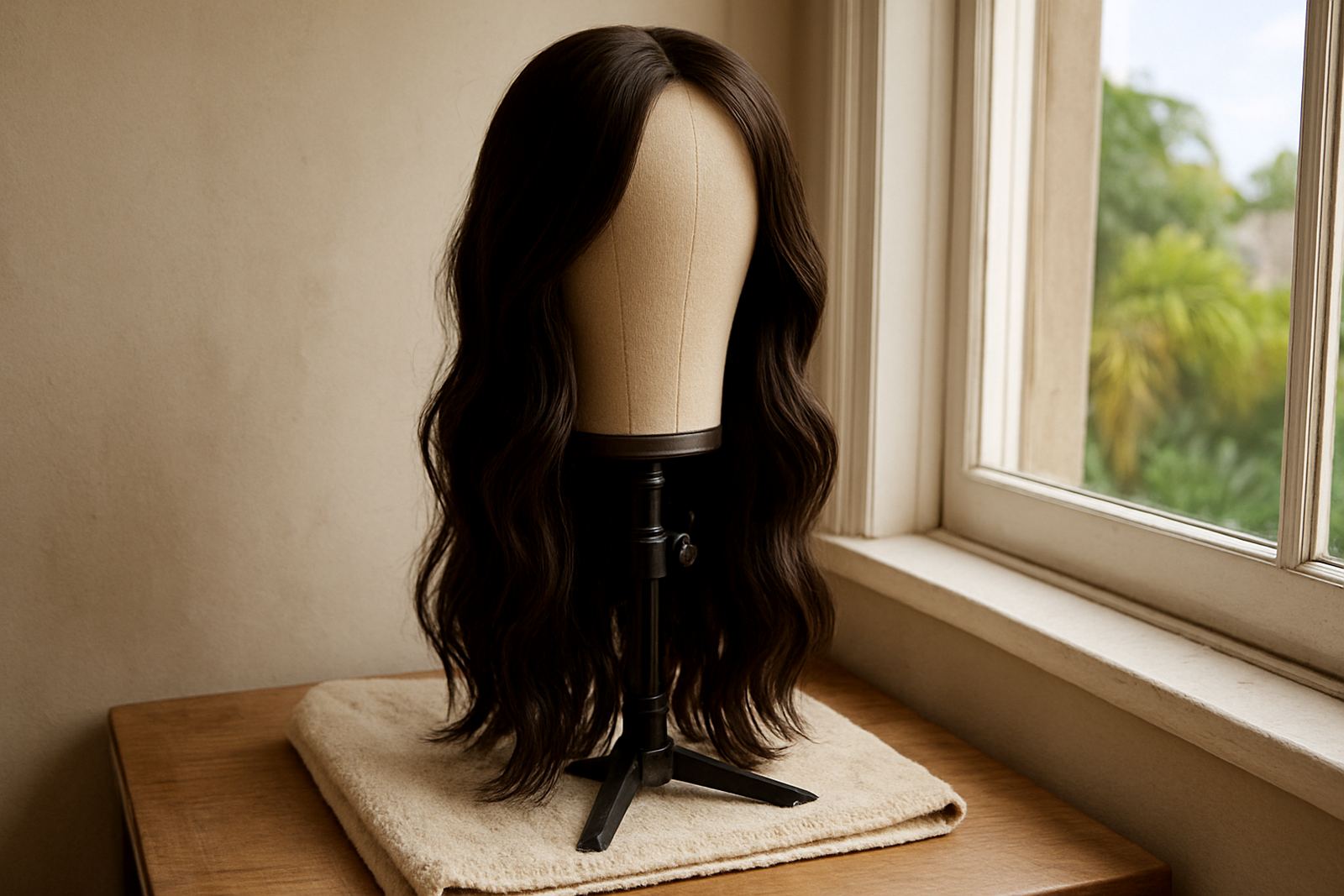
How you dry the hair matters almost as much as how you wash it. Start by pressing out extra water with a clean towel, then let the hair air-dry on a stand or mannequin head where possible. If you need to use a dryer, keep it on a low or medium setting and use a nozzle so the air flows downward. That helps lay the fibres flat instead of blasting them open.
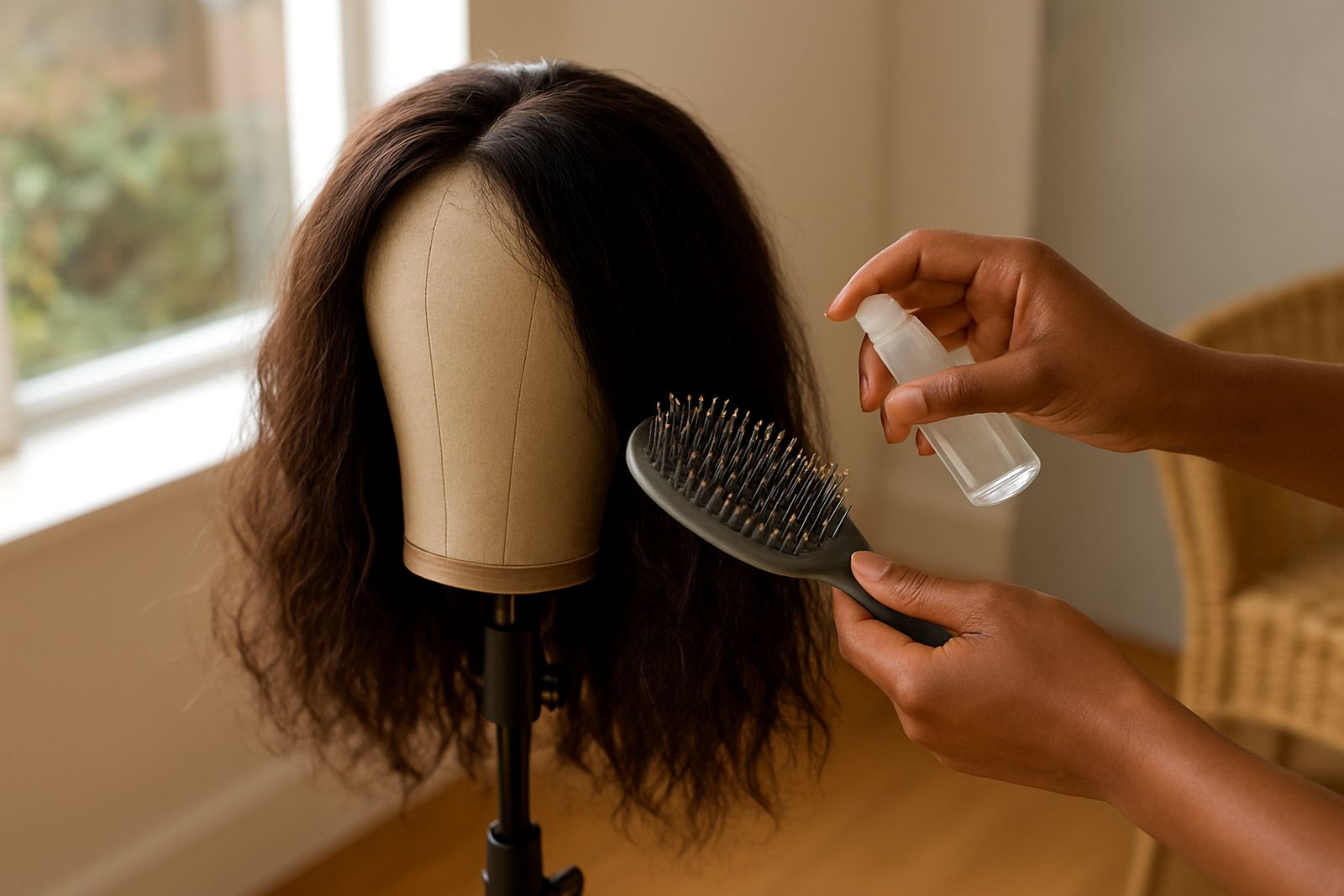
For wigs and extensions that are worn often, drying in sections is useful. Work from the ends upward with a soft brush or comb, holding each section steady so you do not pull at the strands. In humid areas like Durban North and La Lucia, it helps to finish drying indoors before you step out. Damp hair facing moist air tends to swell quickly, and once that puff starts it is harder to smooth down later.
Use light products that seal, not coat
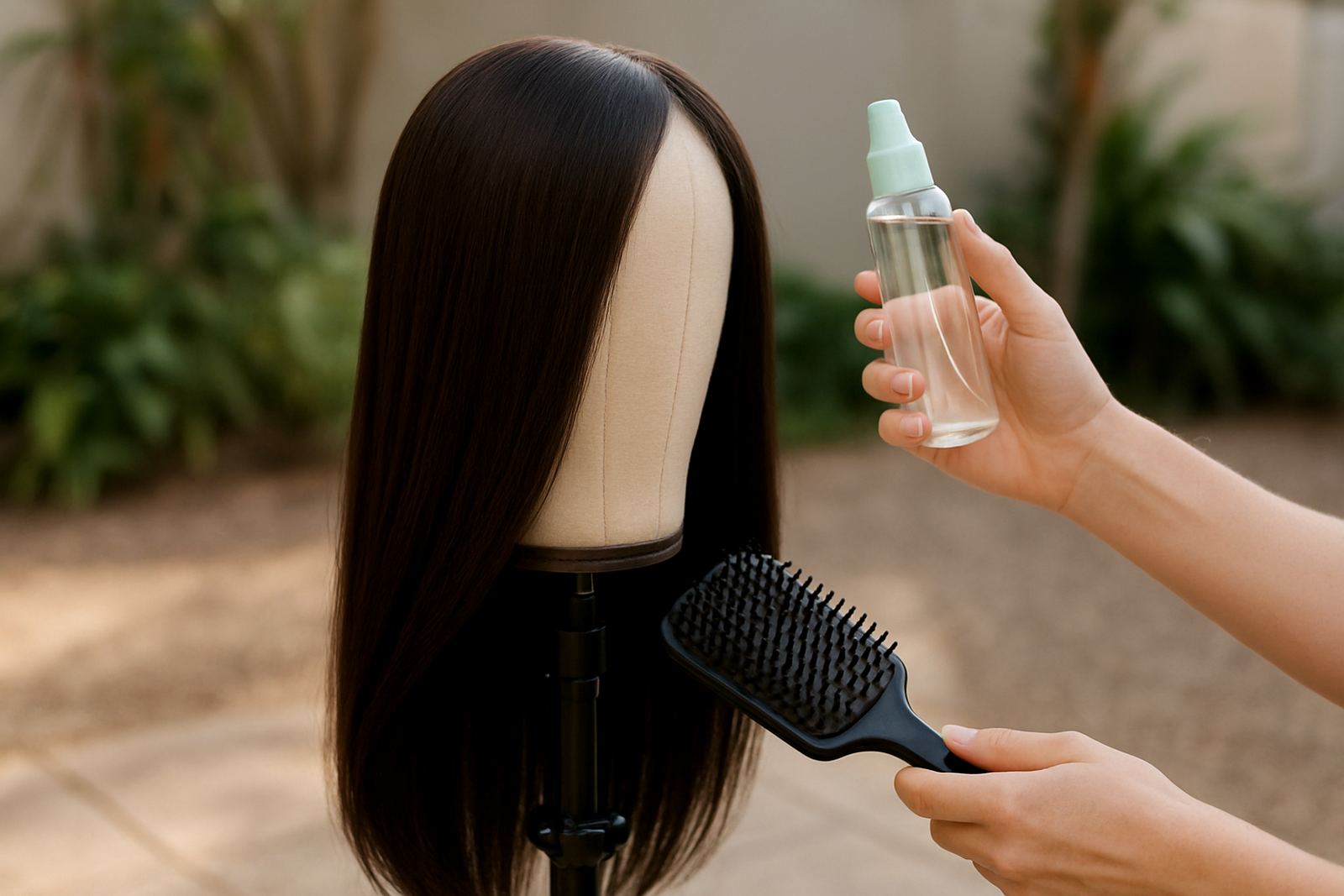
Thick creams can weigh hair down, but they may not stop frizz for long. A lighter approach usually works better. Choose a small amount of serum, anti-frizz mist or leave-in conditioner suited to the hair type. Apply it to the ends first and use only what the hair can absorb. Too much product can make the style limp and attract more dirt, especially in humid weather.
If the hair is colour-treated or has been styled with heat, a moisture-friendly routine is even more important. Start with a hydrating wash, then use a small amount of smoothing product before styling. On days when the style only needs a tidy-up, water in a spray bottle can help reset the shape before you add anything heavier. Less is often better, and it keeps the finish cleaner for longer.
- Apply product to the palms first, not straight onto the roots
- Use a small amount and build slowly if needed
- Avoid mixing too many leave-in products at once
- Keep synthetic fibres away from alcohol-heavy sprays
Protect the hair while you sleep or travel
Night-time friction is one of the biggest causes of repeated wear frizz. A satin bonnet or satin lining helps reduce rubbing against cotton pillows. If you are packing for travel, keep the piece in a breathable bag or box and avoid stuffing it into a tight space. Pressure bends the fibres and creates small kinks that show up as fuzziness the next time you wear it.
For wigs, storing on a stand keeps the cap shape better. For clip-ins and ponytail pieces, keep each section neat and separated so the clips and attachment points do not catch on the rest of the hair. If you are in a house with load-shedding, make sure the piece is fully dry before you put it away. Storing a damp hairpiece in a dark cupboard can leave it musty and harder to manage later.
Fix frizz after repeated wear before it gets worse
Once the ends start to puff, do not wait until the whole style feels dry. Small touch-ups are easier than a full rescue. Smooth the surface with a little water or a light mist, then brush from the ends upward. If there are rough areas near the ends, trim only the damaged points where needed. For wigs, lace and cap areas should be checked regularly for tension, residue and loose stitching because these problems can change how the style sits.
If you wear the same piece often for work, events or weekend use, build in a refresh routine every few wears. That can include washing, re-setting the parting, cleaning the cap and checking the fit. A neat refresh means less rubbing, fewer knots and less need to fight frizz later. Our team in Umhlanga helps with Wig Refresh, Wig Styling, Lace Customising, Cap Size Adjustment and private or virtual consultation when you want a cleaner finish.
- Inspect the ends and parting after each few wears
- Refresh before the hair becomes tangled
- Check clips, tape and combs for wear
- Re-set the style after washing instead of wearing it damp