
Start With the Right Daily Handling
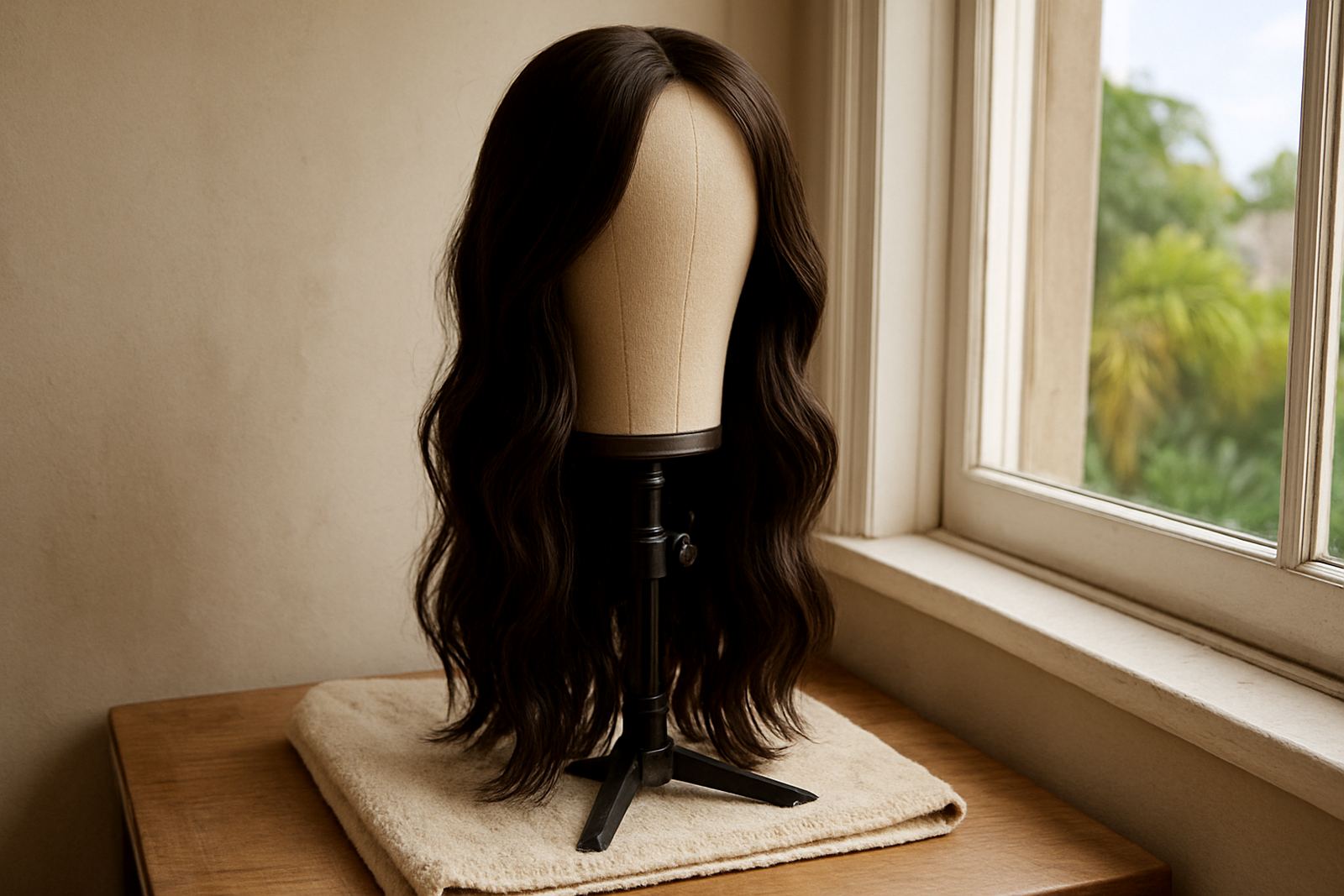
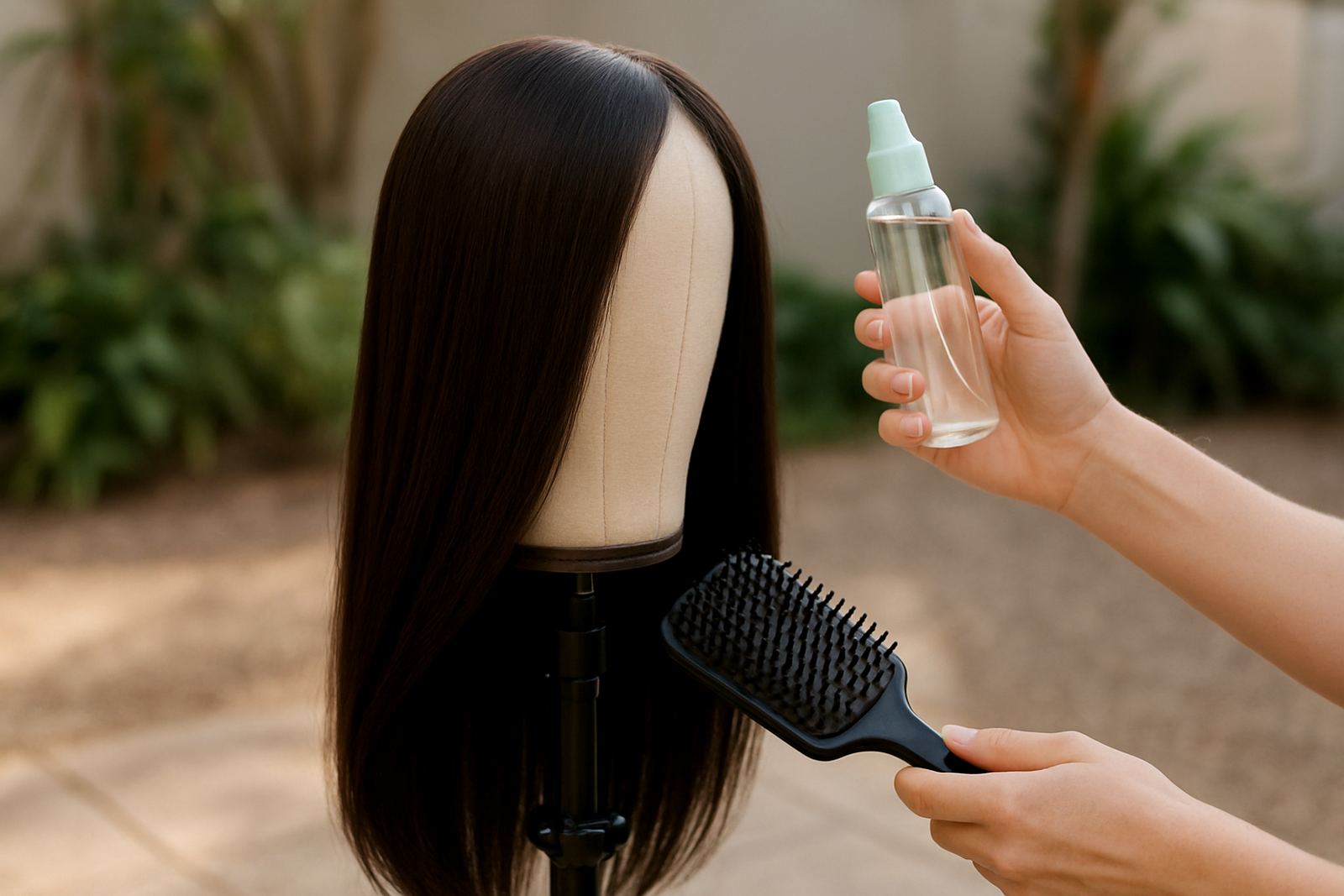
Straight wigs look best when the fibres lie flat, so daily handling should be gentle and deliberate. Before you put the wig on, make sure your hands are clean and dry, then hold the cap at the inside edge instead of pulling on the lace or the parting area. If you wear the wig often, a satin wig stand or a wide mannequin head can help keep the shape between uses. It also helps to keep one soft paddle brush or wide tooth comb only for that wig, because mixing tools can cause snagging and fuzz on the ends.
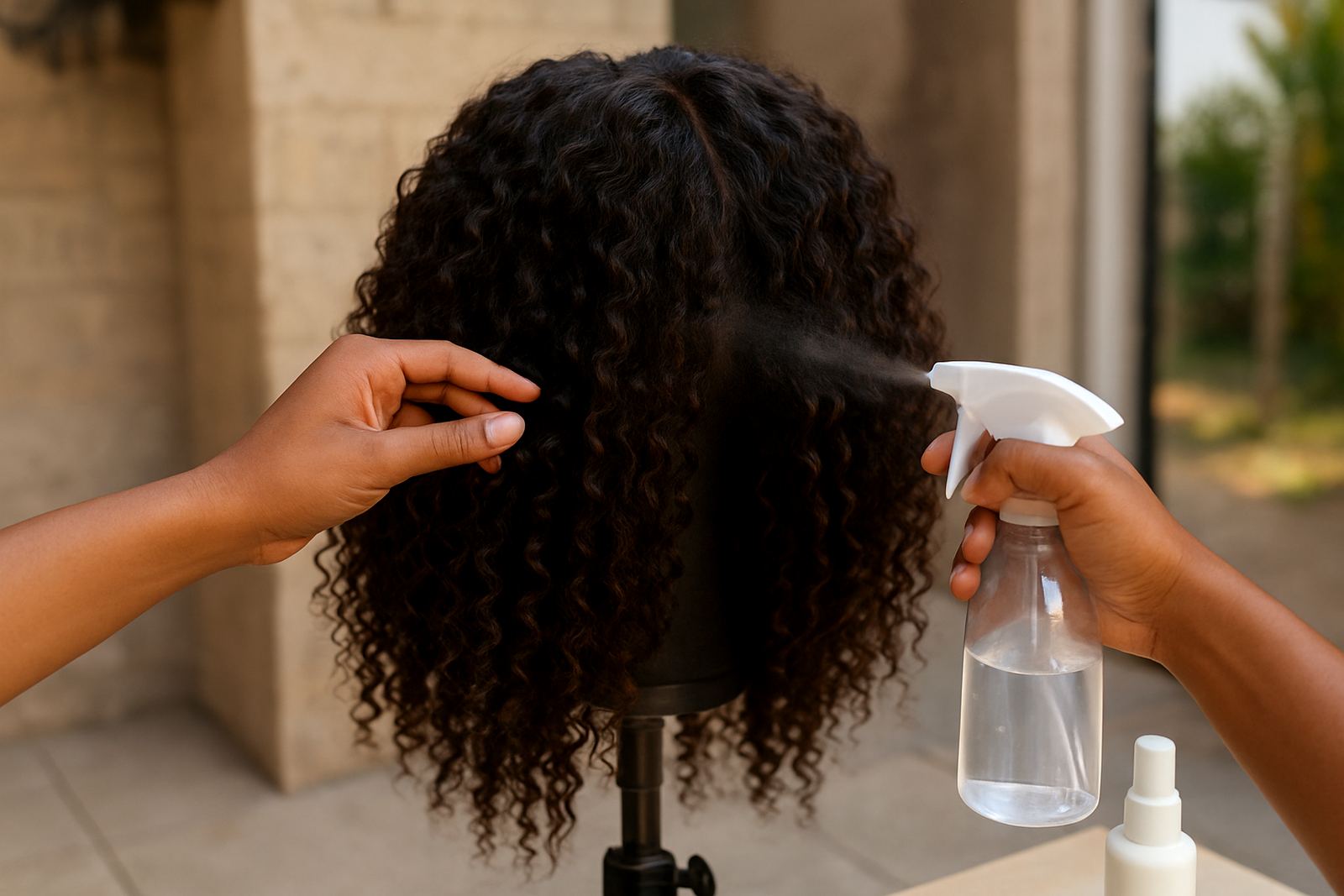
For everyday wear, avoid rubbing the wig against scarves, collars and handbag straps. These small points of friction can lift the cuticle layer on human hair pieces and make synthetic straight wigs lose that smooth finish quicker. In humid parts of Durban, especially near Umhlanga and the coast, a light anti frizz serum can help but use only a small amount. Too much product makes straight hair fall flat in the wrong way, and it can build up near the roots.
Wash Straight Wigs Before They Start Looking Heavy
Do not wait until a straight wig feels oily and dull before washing it. A regular wash cycle keeps the strands lighter and easier to manage. If you wear the wig several times a week, a wash every 8 to 12 wears is a good starting point. If you use more styling products or spend long days in humid weather, you may need to wash sooner. Its better to clean lightly and often than to try recover a heavy product layer later on.
Use lukewarm water and a gentle wig shampoo. Work the shampoo down the hair in the same direction as the strands, from roots to ends. Do not scrub the lace or twist the wig in the basin. Rinse until the water runs clear, then follow with a light conditioner on the mid lengths and ends only. If the wig is lace front, keep conditioner away from the base so the knots stay neat.
- Detangle before washing with a wide tooth comb
- Use lukewarm water, not hot water
- Apply shampoo in downward strokes only
- Condition mid lengths and ends, not the lace
- Rinse well to avoid residue and heaviness
Drying Without Kinks, Frizz or Flat Spots
After washing, blot the wig with a clean towel rather than wringing it out. A straight wig should never be twisted to remove water because that creates bends that are hard to smooth out later. Place it on a stand and let it air dry in a shaded room with good airflow. In humid weather, give it more time and avoid moving it while it is still damp, as that is when unwanted waves can set in.
If you need to use a blow dryer, keep it on a cool or low setting and use a nozzle for control. Work in small sections, and keep the airflow pointing downward. Direct heat on damp hair can roughen the finish and shorten the life of the wig. During load shedding, many clients in Durban end up rushing the drying process once the power returns, but patience gives a better result than high heat. Make sure the cap is fully dry too, especially around the nape and ear tabs where moisture can hide.
Heat Styling Straight Wigs Safely
Some straight wigs need a quick press or curl at the ends to refresh the style, but heat should always be used with care. First check whether the hair is human hair or a heat friendly synthetic fibre. That choice affects the temperature, tool and timing. If you are not sure, stay on the safe side and use the lowest setting possible. For human hair, a heat protectant helps reduce dryness and keeps the finish smoother for longer.
When straightening, work in thin sections and pass the iron through once or twice only. Repeated passes cause breakage and a shiny pressed look that can become too stiff. For a polished result, finish by letting the wig cool fully before brushing. That sets the shape better and helps the strands stay aligned. If you want extra movement at the ends, use a large barrel tong or a round brush at low heat, but keep the overall line clean.
- Confirm fibre type before using heat
- Use the lowest effective temperature
- Apply heat protectant to human hair pieces
- Keep the tool moving, do not clamp too long
- Let the style cool before touching or brushing
Store It Properly Between Wears
Good storage protects the straight shape more than most people realise. Once the wig is dry and brushed, place it on a stand or pack it in a satin bag with the parting and ends lying flat. Avoid stuffing it into a drawer with clips, pins and makeup, because those items can catch on the fibres. If you travel between Durban, Ballito, Hillcrest or Amanzimtoti, a box with a soft lining works well for keeping the wig in shape on the road.
Keep wigs away from direct sun, strong bathroom steam and closed car boots for long periods. Heat and moisture can loosen styling and dull the finish. If you live near the coast, store the wig in a cool dry place when not in use, because salt in the air can leave a film on the strands over time. A simple storage routine saves time later and keeps the wig looking neat for work, events or private wear.
When to Book a Wig Refresh or Adjustment
Even with careful home care, a straight wig may need professional attention now and then. If the cap feels loose, the parting no longer sits right, or the ends have become uneven, a refresh can bring it back into better shape. At Hair Fair, clients often ask for wig fitting, cap size adjustment, lace customising, wig styling and colour matching when a piece is no longer sitting the way it should.
Book support if the wig tangles faster than usual, the lace lifts at the hairline, or the finish has become dry after regular heat use. A private consultation or virtual consultation can help you decide whether the wig needs light restyling or a more detailed adjustment. For customers in Umhlanga, Durban North, La Lucia, Westville, Phoenix and beyond, couriered orders and guidance make it easier to keep one strong routine from start to finish.
- Parting looks wider than before
- Cap feels too tight or too loose
- Ends look thin, frayed or uneven
- Hair is dry even after conditioning
- Lace is lifting or not blending well