
1. Start with a proper prep before the water runs
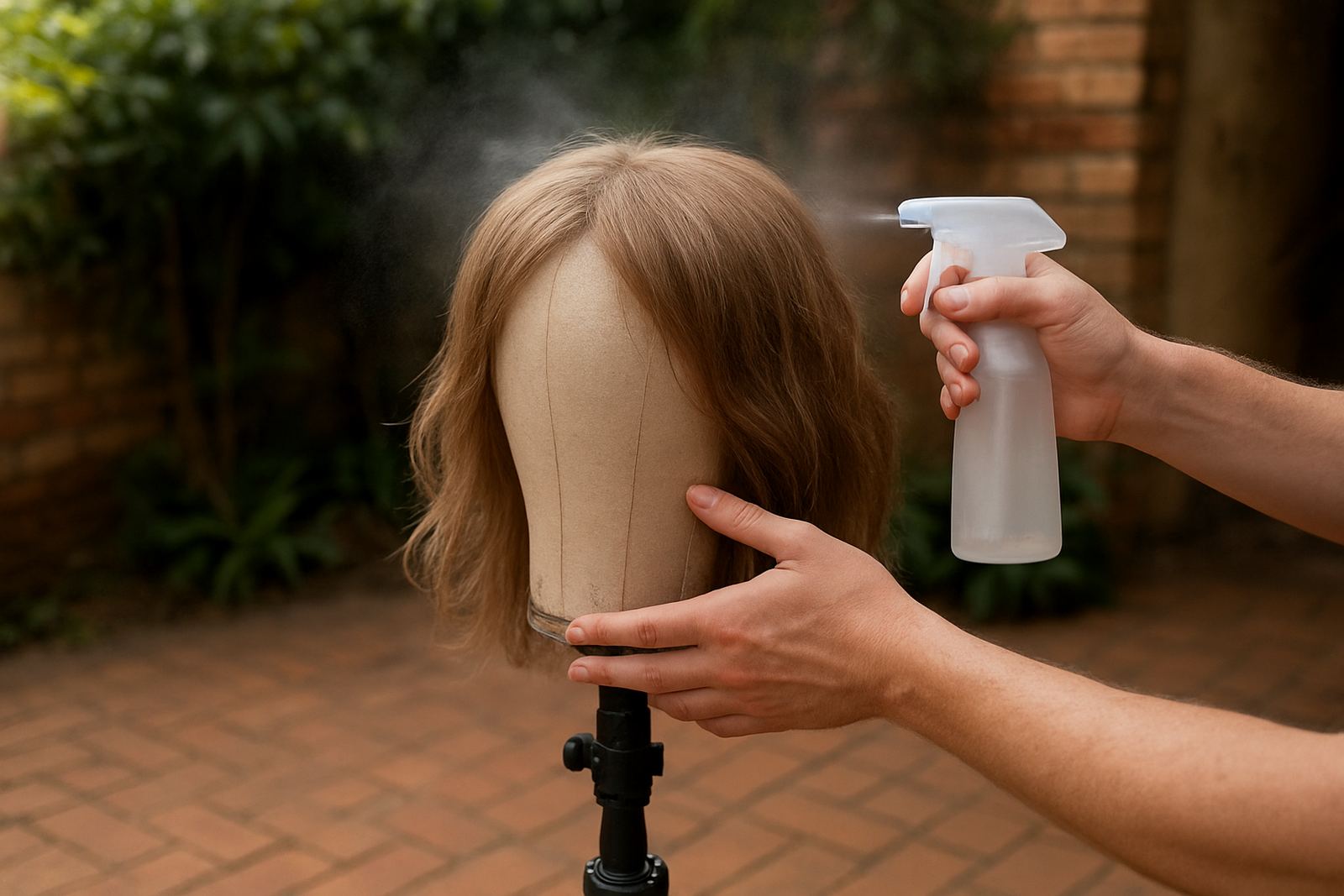
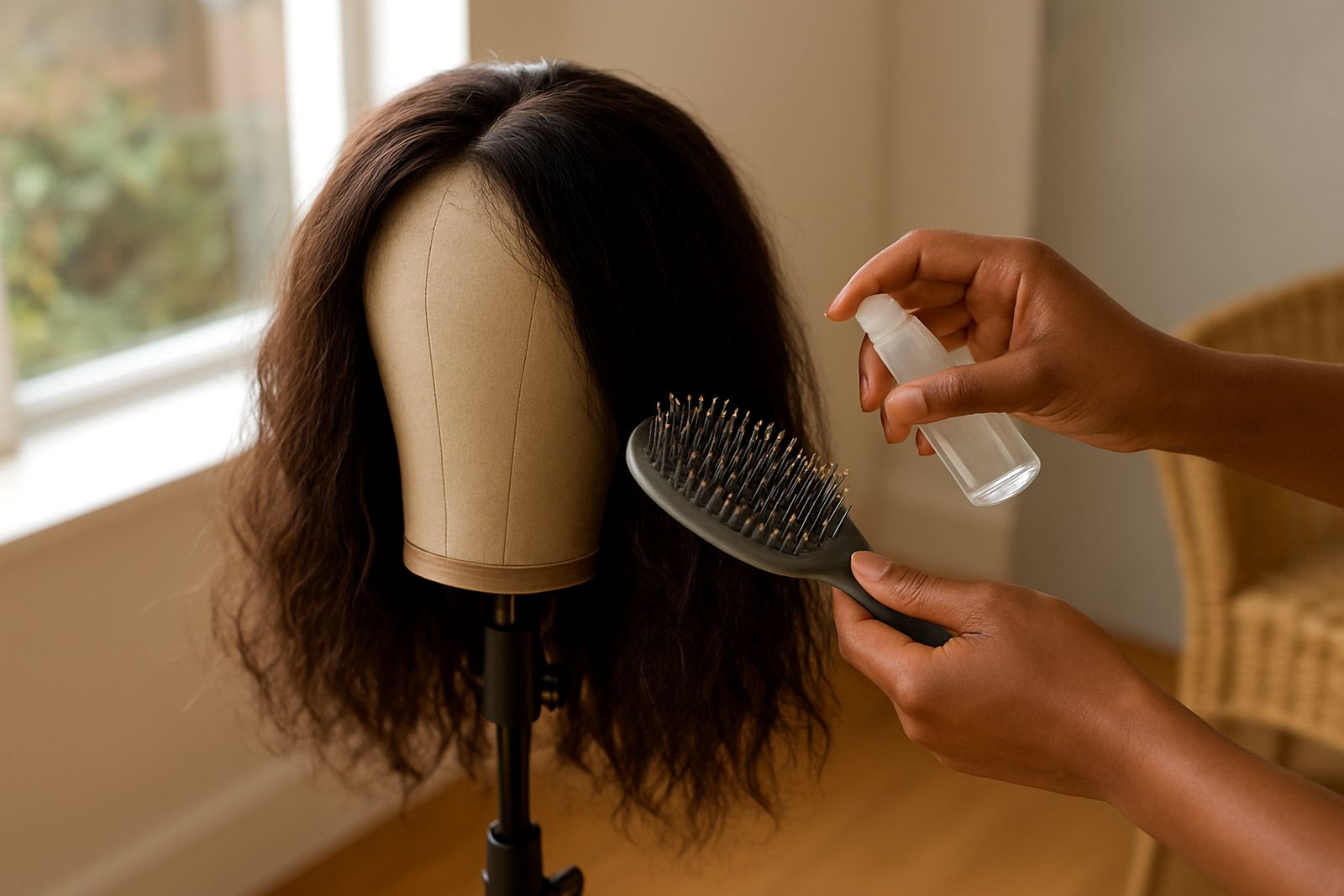
Before you wash a wig, brush out tangles gently from the ends upward. If the fibres are knotted, do not pull hard. Work in small sections and hold the hair near the cap so you do not strain the lace or tracks. Remove any clips, combs or accessories first.
If the wig has been worn with makeup, mousse or edge control, give the hairline and parting area a little extra attention. This is especially helpful in coastal areas like Umhlanga and Durban North, where humidity can make product build-up feel heavier. For lace wigs, check that the lace is clean and free from glue residue before the wash.
- Detangle with a wide-tooth comb or wig brush
- Shake out loose dust and product flakes
- Check the cap, parting and nape for build-up
- Use lukewarm water, not hot water
2. Choose the right wash method for the fibre type
Human hair wigs and synthetic wigs do not need the same care. Human hair can usually handle a gentle cleanse with sulphate-free shampoo and conditioner, while synthetic fibres need a milder approach and less rubbing. If you are not sure what you have, check the fibre label or test a small hidden section first.
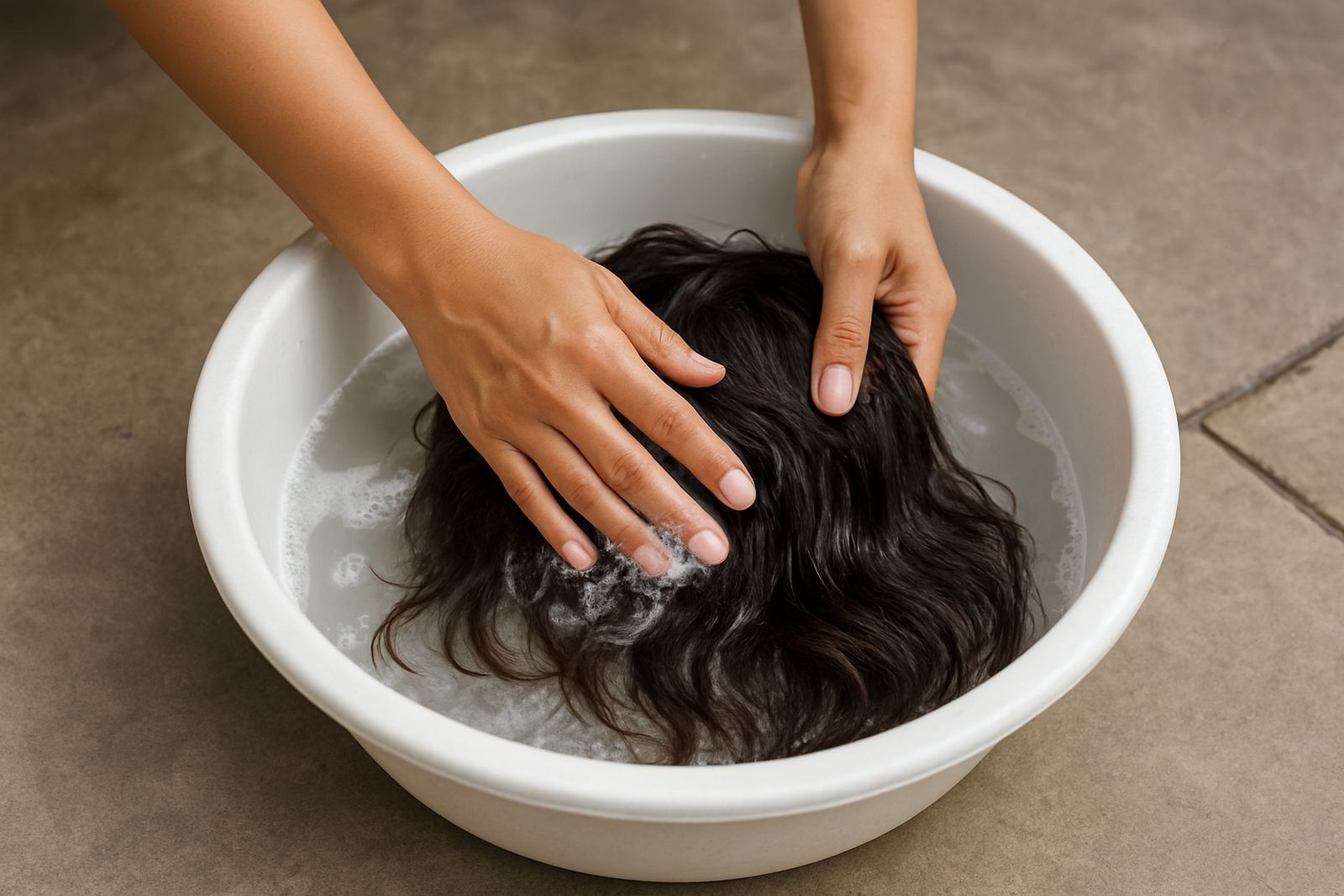
Fill a basin with lukewarm water and add a small amount of shampoo. Swirl the wig through the water instead of scrubbing it. For a lace front wig, keep the lace flat and do not twist the cap. In winter or during load-shedding periods, use enough water at the start so you can work calmly without rushing between interruptions.
- Human hair: gentle shampoo and light conditioner
- Synthetic: fibre-safe cleanser and cool to lukewarm water
- Curly pieces: keep the curl pattern intact, no rough rubbing
- Heat-styled wigs: be extra gentle around the ends
3. Wash the cap and roots without rough handling
Place the wig in the water and press it down lightly so the shampoo reaches the cap. Use your fingertips to clean the roots, lace and hairline. Do not scrub in circles or bunch the hair up in your hands. That can roughen the fibres and shorten the life of the piece.
For a wig that has had makeup, sweat or clinic visits in hot weather, let the soapy water sit for a minute or two before rinsing. Then lift the wig out and rinse under a gentle stream of water from root to tip. Keep the cap supported so the lace does not stretch. If product has built up around the nape or behind the ears, repeat once rather than forcing it off in one go.
- Clean the cap with gentle fingertip pressure
- Rinse until the water runs clear
- Never wring or twist the wig
- Repeat only if build-up remains
4. Condition, rinse and protect the fibre ends
Conditioner helps keep the hair soft and easier to manage, but it should not sit heavily on the lace or knotting area. Apply a small amount from mid-length to ends, then comb through carefully with your fingers. For lace wigs, avoid coating the base with too much product because it can loosen the natural look of the parting.
Leave the conditioner on for a few minutes, then rinse with cool or lukewarm water. A final cool rinse can help the fibres lay neater and feel less sticky. If the wig is coloured or highlighted, this step matters even more because over-washing and rough drying can make the colour look dull faster.
- Use conditioner sparingly
- Keep product off the lace knots where possible
- Rinse fully so nothing feels slippery
- Do a final check for any tangles before drying
5. Dry the wig in shape, not on a rush
After rinsing, gently press out excess water with a clean towel. Do not rub. Lay the wig on a fresh towel or a wig stand and let it dry naturally. If you need to air it out in a hurry, place it in a cool room with good airflow. In humid coastal weather, drying may take longer, so allow enough time before wearing it again.
Avoid direct heat unless the fibre type allows it and the styling method is safe for that wig. Do not use a hot dryer too close to the cap, as this can dry out the hairline and make the lace brittle. A wig that dries in its natural shape usually needs less styling later, which saves time and reduces wear.
6. Finish with a simple care checklist for longer wear
Once the wig is dry, brush it again in small sections and place it on a stand or in a protective bag. If the piece is for regular use, set a routine for washing after a few wears rather than waiting until it looks tired. Good care helps with fit, sheen and comfort, especially if you wear your wig daily for work, events or travel between Durban, Ballito and the northern suburbs.
- Wash after product build-up or sweat exposure
- Store away from direct sun and damp bathrooms
- Check cap size and lace after every wash
- Book a wig refresh if fibres start looking flat or dry
- Use gentle handling every time you style it
If your wig needs lace customising, cap size adjustment or a proper fit check after washing, it helps to have it assessed by a trained consultant before the next wear. A clean wig should feel lighter, sit neater and be easier to style without fighting the fibres.