
There is no single lifespan for every wig
A good wig can last anywhere from a few months to a couple of years, but that range depends on what it is made from and how it is used. A piece worn daily will age faster than one kept for weekends or events, and a wig used in humid coastal weather will need more attention than one worn in a cooler inland climate.
At Hair Fair in Umhlanga, we often tell clients to think about a wig the same way they would think about shoes or handbags. A quality item can last well if it is matched to the right purpose. A light synthetic piece used for occasional outings may hold its shape for many months, while a human hair wig worn every day for work, school or a medical need will need regular washing, gentle drying and careful storage to stay looking neat.
Daily handling matters too. If a wig is pulled on and off quickly, brushed too hard, or left on a car seat in the sun, the fibres and cap structure take strain. Even the best hair will show signs of wear if it is treated roughly.
Fibre type is the biggest factor in how long a wig lasts
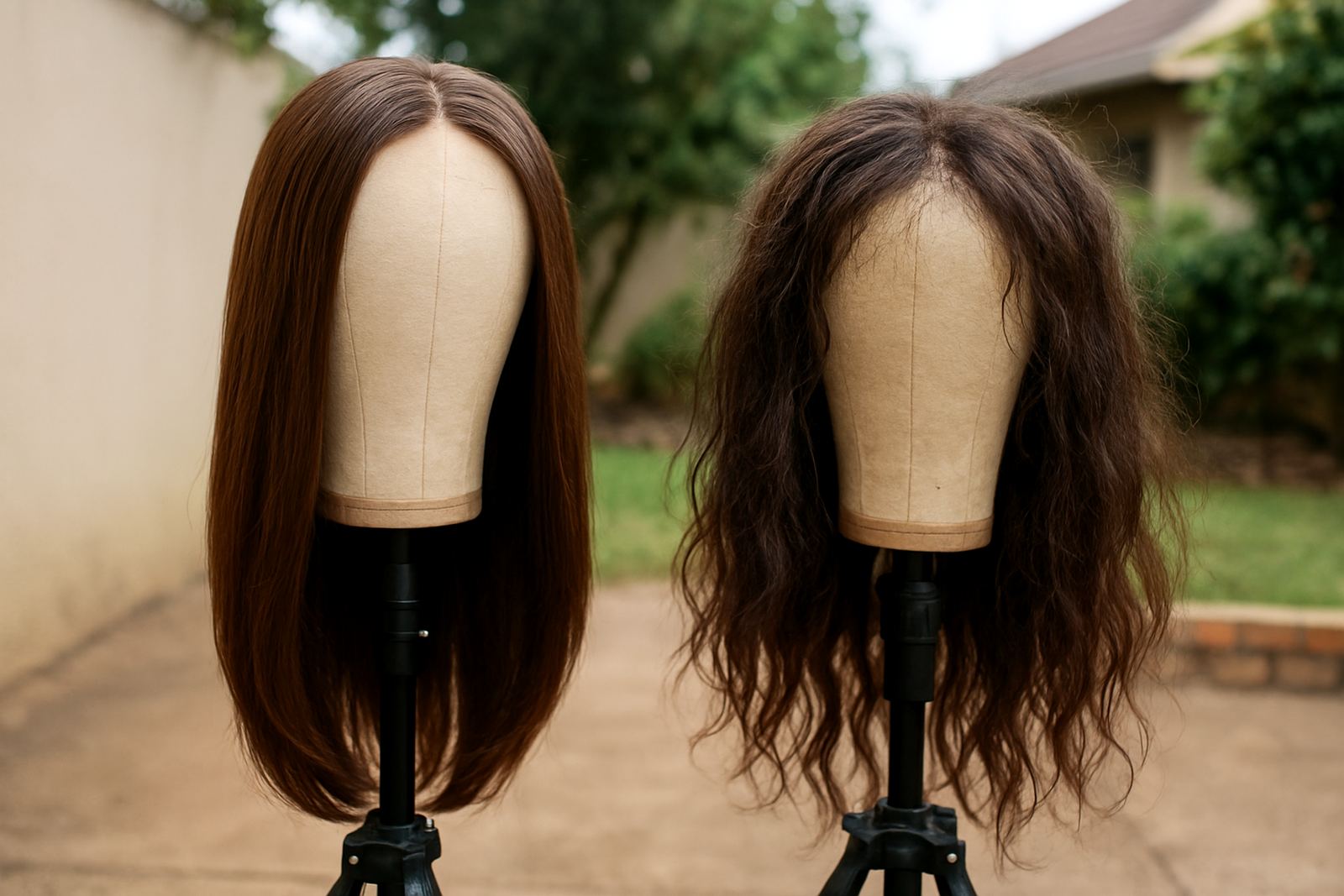
The material of the wig has the biggest effect on lifespan. Some fibres are designed for styling flexibility, while others are made for low maintenance and short-term wear. Knowing the difference helps you choose the right one for your routine and budget.
- Synthetic wigs usually keep their style well, but they are more sensitive to heat and can frizz or lose shape sooner if exposed to high temperatures.
- Human hair wigs can last longer with the right care, but they need washing, conditioning and heat protection like natural hair.
- Blended fibres may offer a middle ground, though they still need proper care and may not handle repeated heat styling as well as full human hair.
- Cap construction also matters. A well made cap with secure stitching and good ventilation tends to keep its shape better over time.
If you are choosing a wig for regular wear in Durban, think about your lifestyle first. For someone moving between Umhlanga, La Lucia and Durban North in a busy week, a piece that is easy to maintain may last longer in practical terms than a delicate style that needs constant restyling.
Washing too often can shorten the life of the piece
One of the most common mistakes is washing a wig too often, or not washing it correctly. Over washing removes moisture, weakens fibres and can loosen knots at the cap. On the other hand, leaving product build-up in the hair can make the strands dull and heavy. The goal is balance.
For most wigs, the right routine depends on how often they are worn. A wig worn daily may need cleaning every 8 to 12 wears, while an occasional event piece can go longer. Sweat, styling cream, hairspray and Durban humidity may mean a bit more frequent care in summer.
- Use cool or lukewarm water, not hot water.
- Detangle before washing, starting at the ends and working upwards.
- Use a gentle cleanser and avoid harsh scrubbing.
- Blot with a towel instead of rubbing the hair dry.
- Let the wig air dry on a stand in a shaded room.
If you rinse and dry a wig well, it will usually hold up better than a piece washed quickly and roughly in the basin. Small habits make a real difference over time.
Heat, humidity and sun can age a wig faster
South African weather plays a bigger role than many people expect. In coastal areas like Umhlanga, humidity can make fibre swell, tangle or lose its smooth finish. Sun exposure can also fade colour and dry out the strands, especially if the wig is worn outdoors often or left in a parked car.
Heat styling is another concern. Even when a wig is heat-friendly, repeated straightening, curling or blow-drying will shorten its usable life. If you are using a styling tool, keep the temperature low and use it only when needed. One client from Westville who wore the same human hair wig for church, work and family functions found it lasted much better after she reduced heat styling to once a week and started air drying it properly. The change was simple, but the results were clear.
Load-shedding can also affect care routines. If you are relying on a hot dryer or styling tools, plan ahead and avoid rushing the process during power cuts. A wig that is dried fully and stored properly will stay in better condition than one packed away while still damp.
Storage and handling make a bigger difference than people think
A wig usually wears out faster from poor handling than from normal use. Tossing it into a bag, placing it under heavy items, or storing it while tangled can bend the fibres and damage the cap. Good storage is simple and does not need much space.
Keep the wig on a stand or in a clean silk or satin bag when it is not being worn. Avoid direct sunlight and keep it away from dust, steam and bathroom moisture. If you travel between Ballito, Amanzimtoti or inland towns for work, take a protective bag with you so the wig does not get crushed in transit.
- Never store a wig damp, as that can cause odour and shorten fibre life.
- Keep pins, clips and combs from snagging the lace or cap.
- Use a wide-tooth comb or fingers for detangling.
- Separate different wigs so they do not rub against each other.
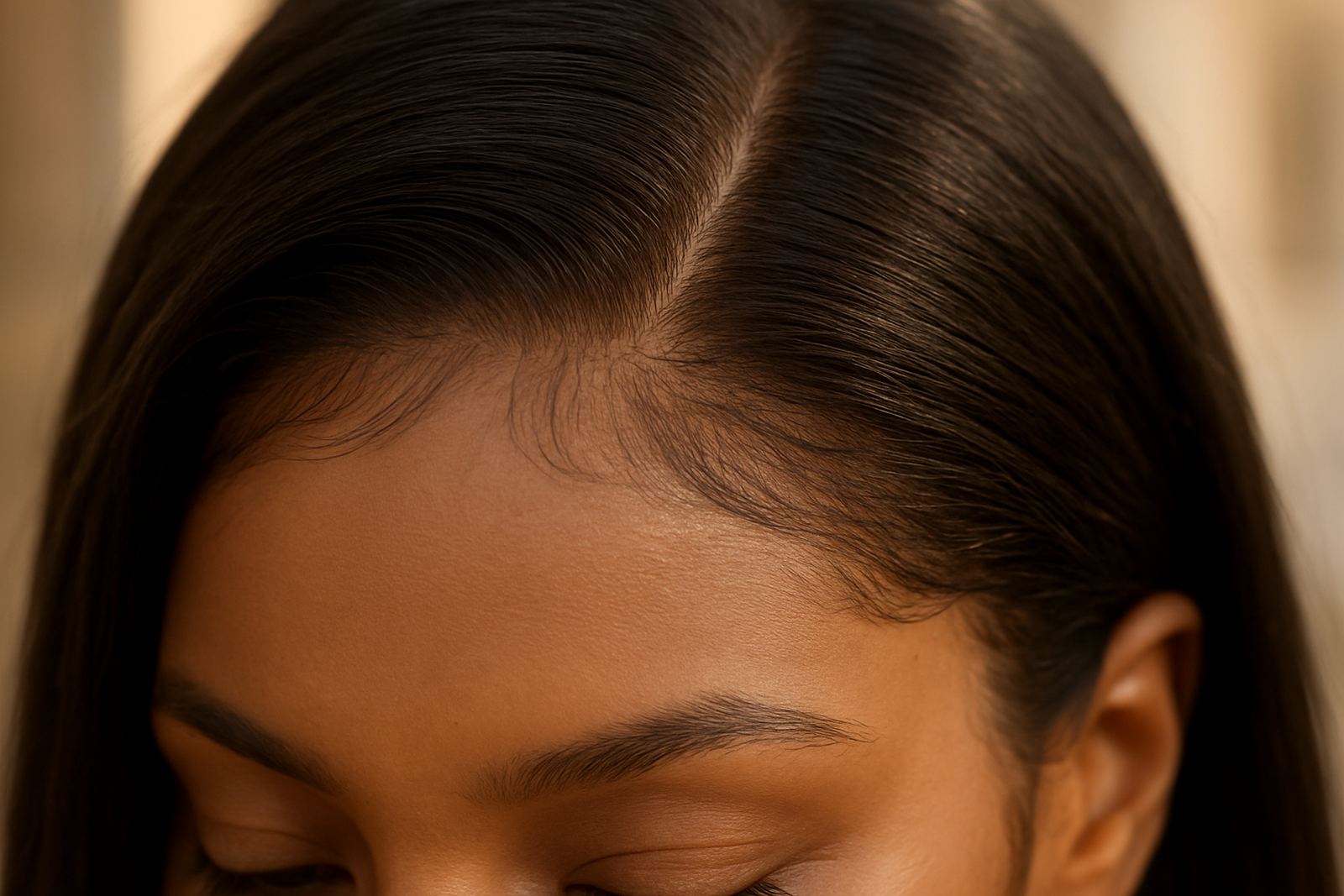
Even small things like removing makeup carefully around the hairline can help lace front wigs last longer. The cleaner the cap and edge area stays, the better it holds its finish.
A good fit and the right service can extend wear
If a wig fits poorly, it tends to slide, tug or rub in the same places every day. That strain can loosen the cap and wear down the lace sooner. A proper fit is not only about comfort, it also affects lifespan. Cap size adjustment, lace customising and professional fitting can all help the wig sit correctly and reduce unnecessary tension.
Private consultation is useful if you are new to wigs or need help choosing between styles, lengths and fibre types. It can also help if you are dealing with hair loss, a special event or regular everyday wear. A well matched wig is easier to manage, and easier to keep looking presentable for longer.
Clients in Umhlanga, Phoenix, Hillcrest and surrounding areas often come in looking for a wig that can handle local weather, busy schedules and frequent wear. In those cases, the best advice is usually to choose the right piece from the start and follow a care routine that suits your actual lifestyle, not an ideal one.
Signs it is time to refresh or replace the wig
Every wig reaches a point where care can only do so much. If the fibres stay rough after washing, the cap has lost its shape, or the lace is thinning in key areas, it may be time for a refresh or replacement. A wig that no longer sits securely can also become difficult to style neatly.
Not every worn wig needs to be thrown away straight away. Some can be revived with gentle detangling, a proper wash, cap size adjustment or styling reset. Others may simply be past their best and should be replaced if the finish no longer looks clean or comfortable.
The best rule is simple: if the wig no longer suits your needs, takes too much effort to manage, or starts looking tired even after proper care, it has reached the end of its useful life. With the right buying choice and a steady routine, though, many wigs can last far longer than people expect.