
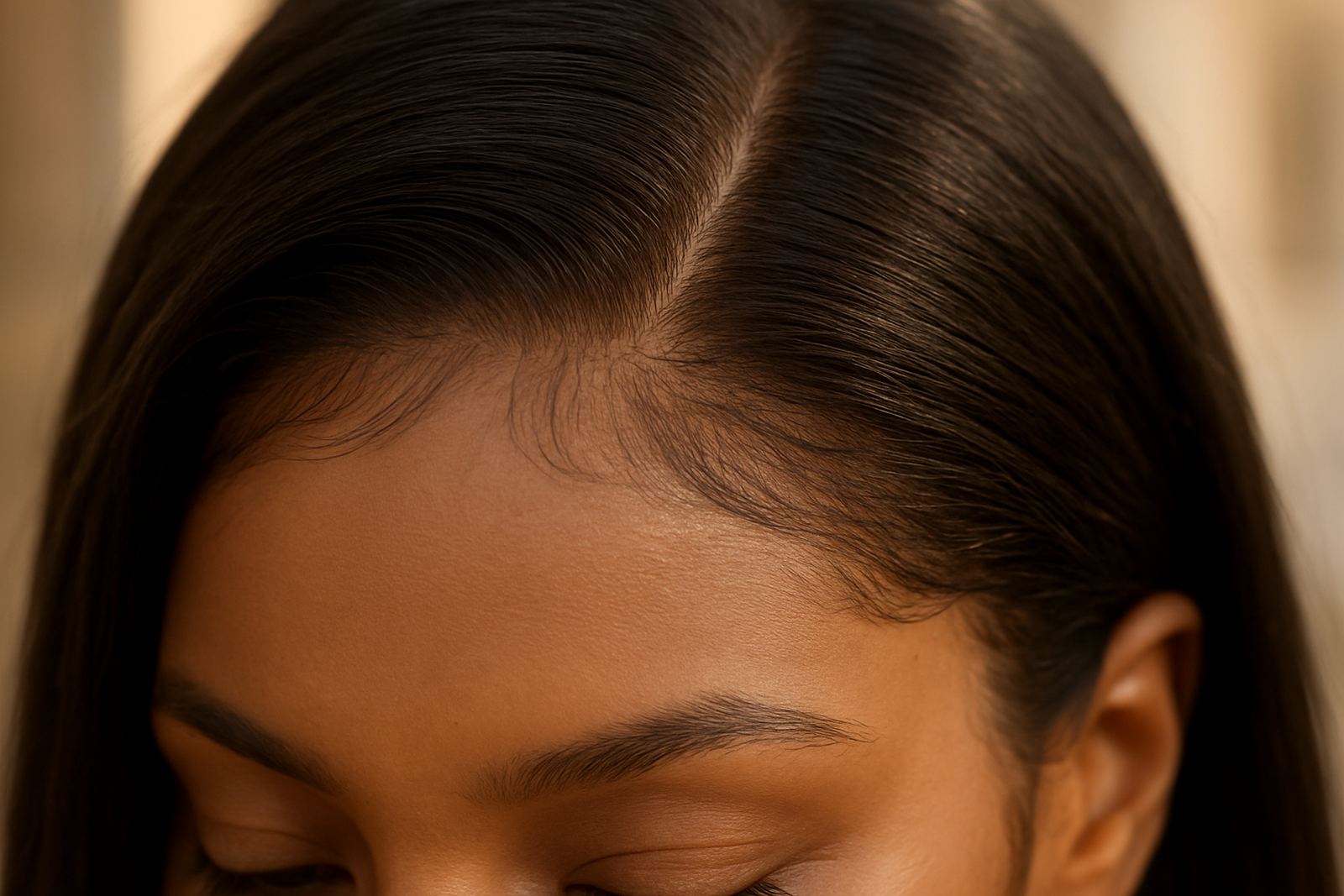
What makes a wig or extension look believable up close
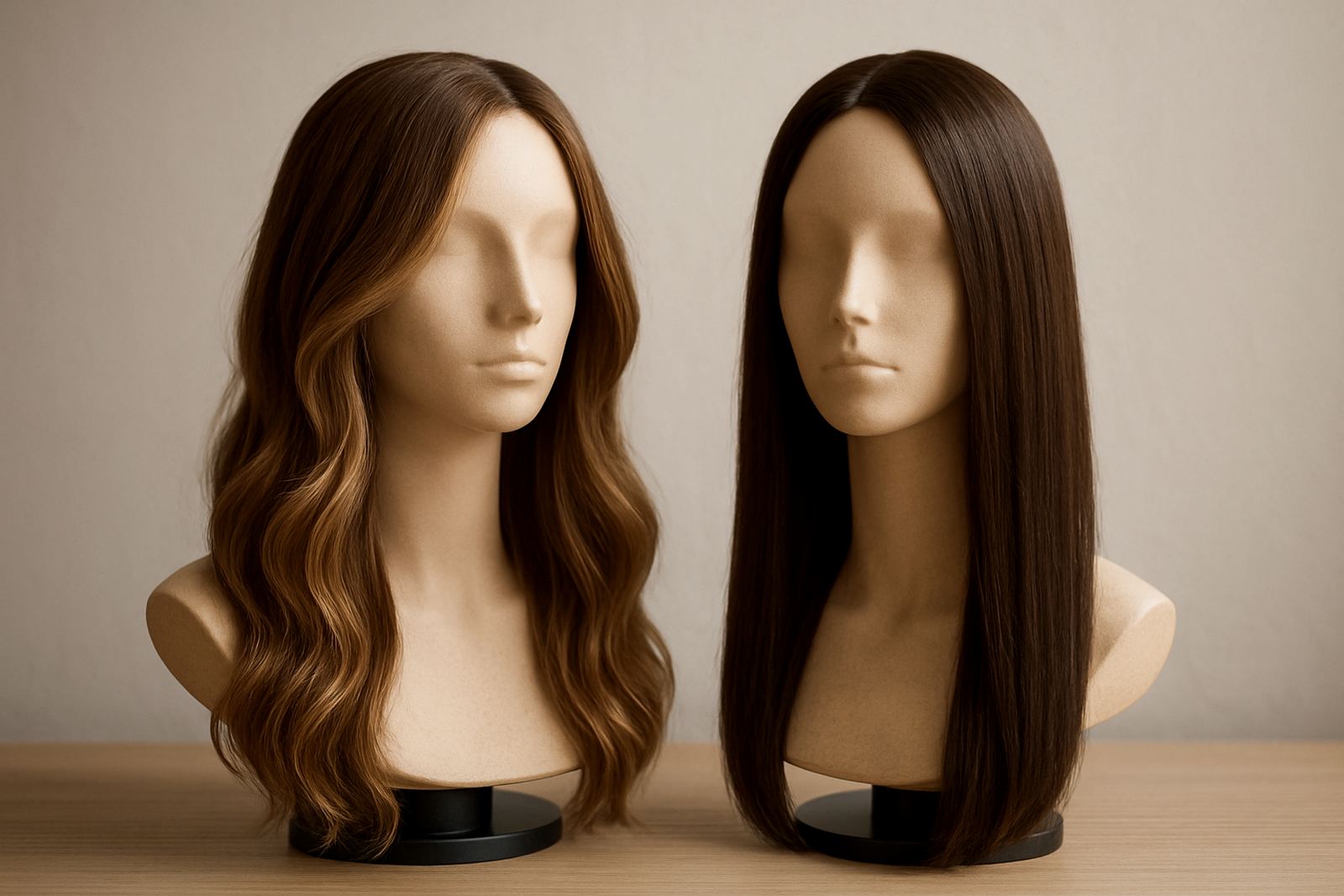
The most convincing result usually comes from a few small decisions done properly. The first is density. Too much hair can look heavy at the front and too little can show the cap or tracks when you move. The second is texture. If your own hair has a slight wave or a soft blow dried bend, a very silky finish can stand out in daylight, especially in Durban where bright coastal light shows everything.
Length matters too. Hair that is very long but not shaped can drag the eye down and look less like natural growth. A better finish usually comes from layers around the face, a believable parting, and a little movement at the ends. A natural result should also suit your age, face shape, and the way you wear your hair on ordinary days, not only for photos or events.
At Hair Fair in Umhlanga, we often remind clients that natural does not mean invisible. It means balanced. If the front looks soft, the colour sits well against your skin, and the overall shape matches your lifestyle, the style reads as real without trying too hard.
Lace, hairline and parting details that do the heavy lifting
The front of the wig is where most people look first. That means the lace colour, the knot work, and the way the hairline is styled all need attention. A lace that sits too light against deeper skin tones can show under sunlight. A lace that is too dark can look obvious at the forehead. Matching that detail to your complexion is one of the easiest ways to improve the finish.
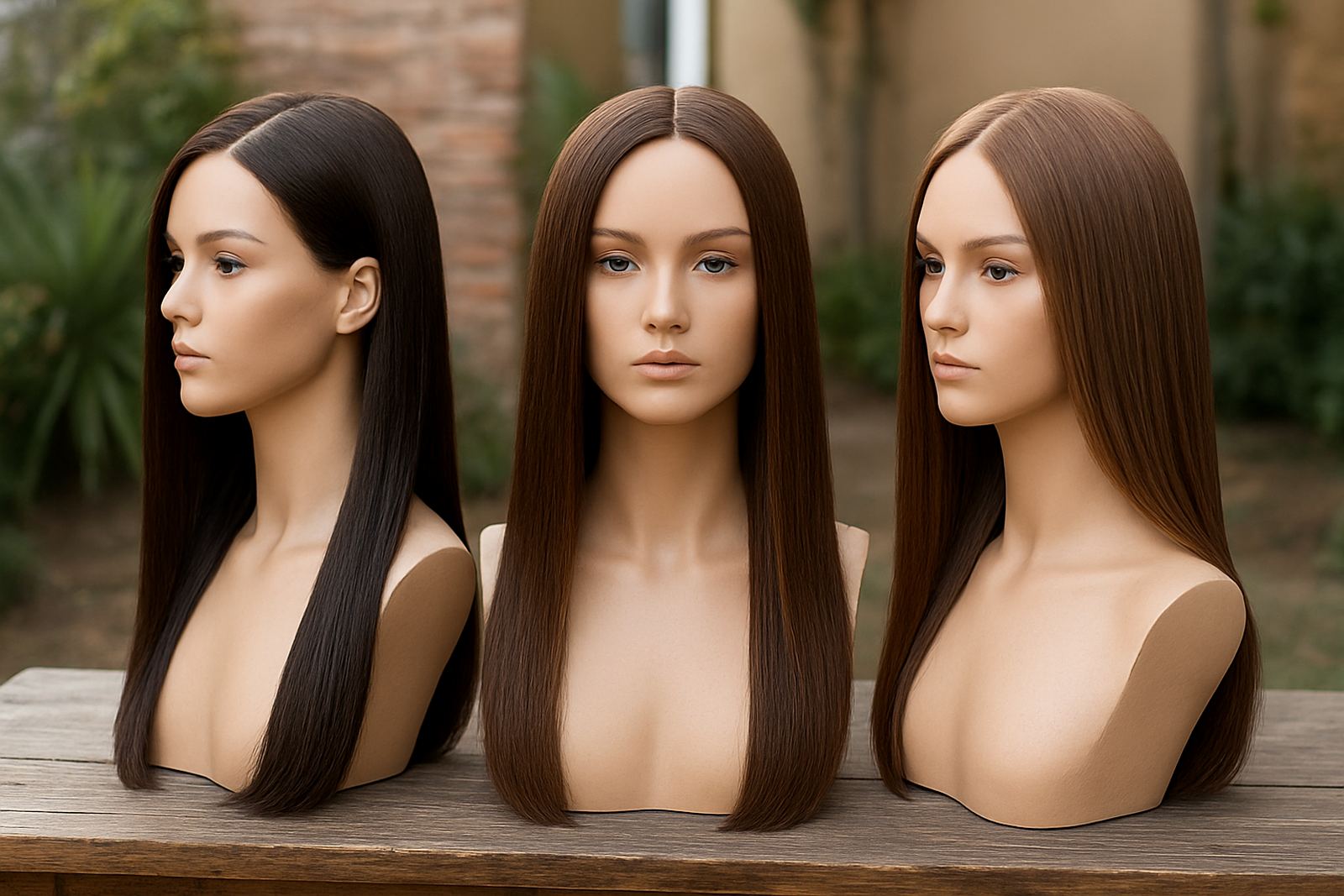
Parting choice also changes the final look. A middle part can be neat and modern, while a soft side part may hide more of the cap and suit clients who want a gentler frame around the face. If the parting is too wide or too straight, it can look stiff. A little variation helps. So does a small amount of baby hair only where needed, not at every edge.
- Choose lace that suits your skin tone in natural light, not only inside the shop.
- Keep the hairline soft, with enough plucking or customising to avoid a flat front.
- Use a parting that fits your face shape and daily styling habits.
- Do not overload the front with edge product, because it can collect dust and show up in humid weather.
Why colour matching matters more than most people think
Colour is one of the fastest ways to separate a believable install from one that looks off. Even if the hair itself is good quality, a shade that clashes with your undertone can be noticeable from across the room. In Durban and the surrounding areas, clients often come in after trying to match under indoor lighting, then realise the colour looks warmer or cooler once they step outside.
For a natural finish, it helps to compare the hair against your roots, not only your ends. Many people have darker roots, lighter mids and sun exposure at the tips. A straight one tone match can feel too sharp. Soft highlights, lowlights or a root depth closer to your own hair can make the result easier to wear. If you are blending extensions with natural hair, the aim is not perfect sameness, but a comfortable transition.
We often see this with clients from Umhlanga, Durban North and Ballito who want a finish that works for both office wear and weekend outings. A good colour match reduces the need for heavy styling and helps the hair look consistent in daylight, at events and in photos taken on a phone.
Fit and shaping are just as important as the hair itself
If the cap size is wrong, even a beautiful wig can sit badly. It may slide, sit too high on the forehead, or create tension at the temples. That is why cap size adjustment, secure fitting and proper placement are part of the final look. A unit that sits flat at the crown and follows the head shape will always look more convincing than one that is forced into place.
For extensions, the fitting method has a big effect on how natural the result appears. Clip-ins should be placed so they do not show through thinner sections. Tape-ins need even spacing and careful sectioning. Ponytail fittings should anchor well enough for movement without pulling too tight. If the install feels uncomfortable after an hour, it will likely be visible by the end of the day.
- Check that the parting sits where your natural part usually falls.
- Make sure the front is not lifting near the ears or temples.
- Test the fit by nodding, turning your head and tying hair back if needed.
- Choose a style that allows normal movement, not only a still pose.
How Durban weather affects the finish during the day
Coastal humidity can change the way hair sits. In Umhlanga, La Lucia and Amanzimtoti, softer textures tend to hold their shape better than very dry looking finishes that puff up with moisture. Heat and load-shedding also matter because many clients do part of their styling during power cuts and then leave the house in a rush. If the hair needs too much daily effort, the final look often suffers.
A practical approach is to choose styles that can be refreshed quickly. A wig refresh, a light steam or the right styling method can help the hair settle without making it stiff. For extensions, smaller touch ups around the crown and front sections often make a bigger difference than redoing the full head. It is also worth keeping the style simple enough for your normal routine, especially if you travel between home, work and school runs.
Natural looking hair should still behave well by mid afternoon. If the finish depends on constant brushing, adding product every few hours, or avoiding the wind, it is probably not the right setup for local conditions.
A practical routine that keeps the look believable
Good maintenance protects the finish and extends the life of the hair. Gentle washing, careful detangling and storing the unit properly all help the style keep its shape. Overwashing can dry the fibres or the hair, while too much heat can flatten the movement that makes the style look real. The goal is to keep the finish soft, clean and easy to wear.
Clients often get the best results when they use a consultation to plan the full setup before buying or fitting. A private consultation, virtual consultation or in person fitting can help with colour matching, cap size, customising and styling choices. That is useful whether you are booking for an event, a regular work look, or a first time install.
At Hair Fair, we help clients from Westville, Hillcrest, Phoenix and the wider Durban area choose the small details that matter most. A natural finish comes from fit, colour, shape and day to day practicality working together. When those parts line up, the hair does not need to shout to be noticed.