
Why heat changes more than just the style
Hot tools do not only curl or straighten hair, they also change the fibre itself. On human hair pieces, frequent heat can dry out the cuticle, fade colour quicker and leave the ends brittle. On synthetic pieces, too much heat can melt, singe or permanently distort the strands, which is why one pass too many can ruin a unit that looked perfect the day before.
In Durban and the coastal belt, heat damage can creep in faster because moisture, salt air and daily styling all work against the fibre. Add a rushed morning routine before work in Umhlanga or a last minute event booking in Ballito and people often use the highest setting for speed. That is usually where the trouble starts.
With extensions, the risk is not only to the hair itself but also to the attachment method. Adhesives, tapes, bonds and clips can all weaken if they are exposed to repeated high heat near the roots or base. A style may still look fine for a while, but the wear life shortens quietly.
Signs your wig or extensions are getting overheated
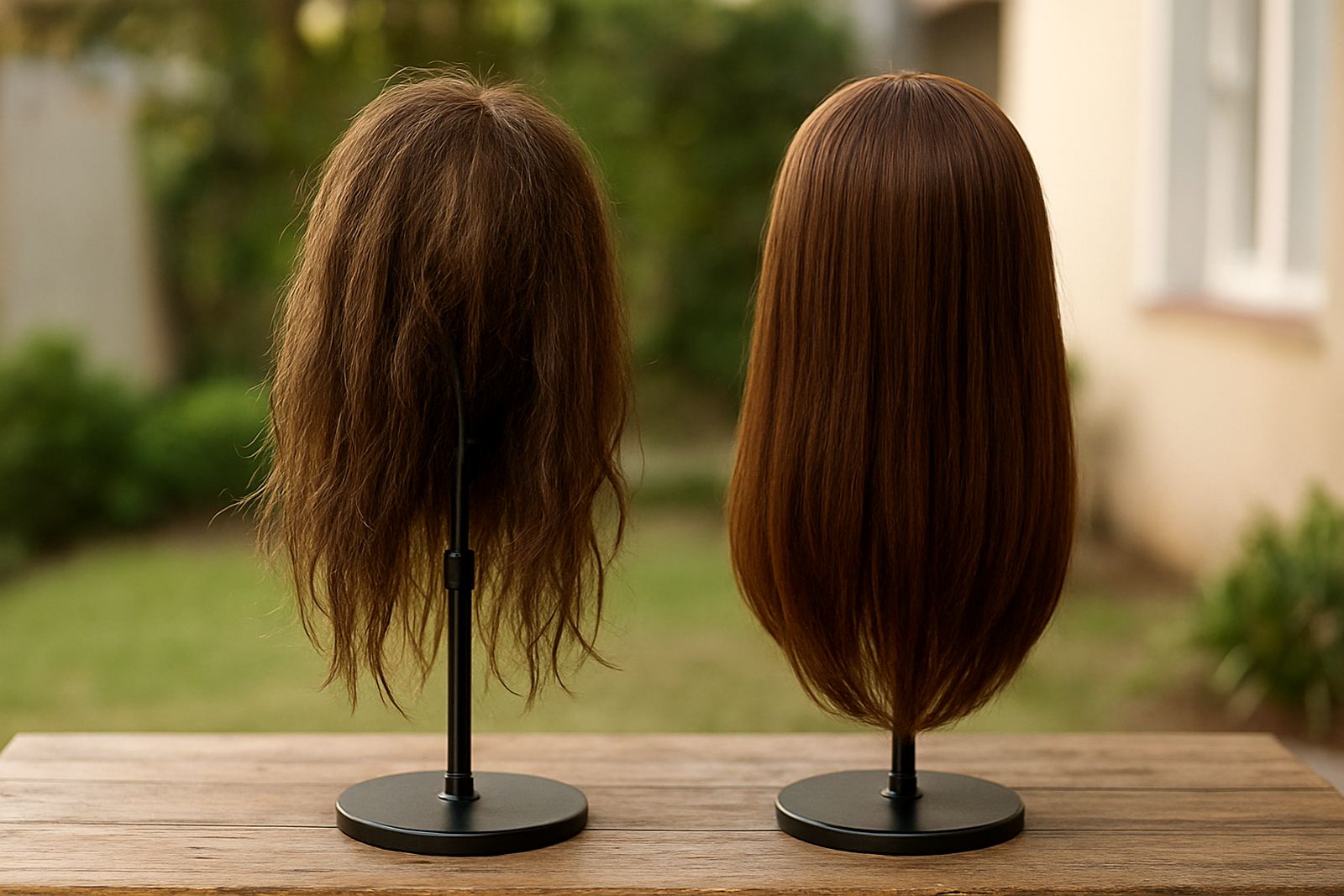
Most heat damage shows up gradually, so it helps to catch the early signs before the piece becomes difficult to wear. A wig that once held curl may start going flat by midday, or the fibre may feel rough instead of soft. Extensions may tangle more at the nape and along the ends, even after careful brushing.
- Frizz that keeps returning after smoothing
- Shine that looks dull or patchy rather than natural
- Ends that feel dry, rough or crispy
- Loose waves that do not bounce back after washing
- Synthetic fibres that look bent or slightly melted near the hot tool contact points
- Attachments lifting earlier than usual around the hairline or parting
If you notice any of these changes after repeated styling, it usually means the heat level is too high, the tool is left in one place too long, or the hair type is not suited to that method. A small adjustment now can save the piece from becoming unwearable later.
Know the difference between human hair and synthetic fibre
Not all wigs and extensions should be treated the same. Human hair pieces can usually handle heat better, but they still need controlled temperatures and protection. Synthetic fibre is more sensitive and many pieces cannot take direct heat at all. Even heat friendly synthetic options have limits, and those limits matter.
Before styling, check the care guidance for the piece and work from the safest setting upwards. If the hair is coloured, layered or lightly processed, treat it as more delicate than you would natural virgin hair. The same is true for longer lengths, because the ends are usually the oldest part and need more care.
At Hair Fair, clients often come in from La Lucia, Westville or Phoenix asking whether they can use the same tongs they use at home on a wig. The answer depends on the fibre and the style goal. A soft bend for a lace front wig is not the same as pressing a full head of extensions flat, and the tool choice should match that difference.
- Use the lowest effective heat setting
- Work in smaller sections rather than repeating passes
- Keep hot tools moving and never clamp for too long
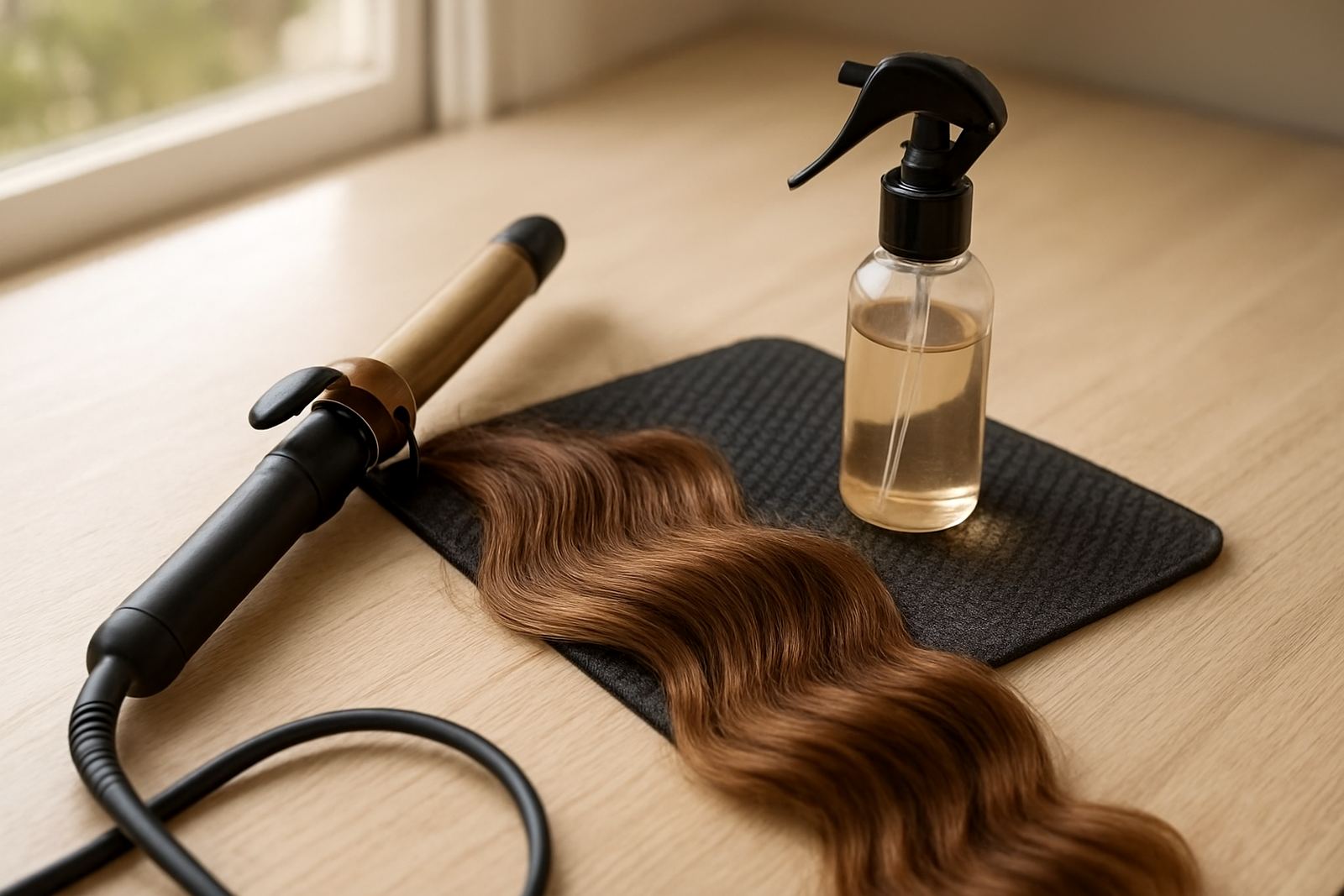
- Use a heat protectant that suits the fibre type
- Let the piece cool fully before combing or storing
Safer styling for Durban weather and busy routines
Coastal humidity changes the way hair behaves. On damp mornings in Umhlanga or after a humid evening in Amanzimtoti, many people turn the heat up to fight puffiness. That can work once, but doing it regularly pushes the fibre harder than necessary. It is better to start with good prep and a lower setting, then build up only if needed.
For wigs, support the base while styling so the cap keeps its shape. For extensions, avoid dragging hot tools over the attachment points because that is where slipping and breakage often begin. If the product is for event wear, such as weddings, matric dances or photoshoots, test the style the day before instead of styling at the last minute.
A practical routine is to detangle first, apply the correct protectant, dry fully if needed, then style in sections. If the weather is very humid, finish with a light holding product rather than turning up the heat again. That approach usually gives a better result and less stress on the hair.
When to book a fitting or styling check
Sometimes the issue is not your technique but the fit. A wig that sits too tight can fray at the edges when it is repeatedly reshaped with heat. Extensions that are slightly off in colour or density may tempt you to overstyle them into place. If that sounds familiar, a proper fitting or consultation can save time and money.
Hair Fair offers wig fitting, lace customising, wig styling, colour matching, clip-in install, tape-in fitting, ponytail fitting, event hair booking, wig refresh, cap size adjustment, private consultation and virtual consultation. Those services help you choose the right piece and reduce the need for daily heat correction. A good fit means less tugging, less reshaping and better wear over time.
For clients across Durban North, Hillcrest, Ballito and the surrounding areas, a quick assessment can also help identify whether the piece needs a refresh, a cap adjustment or just a simpler styling routine. Sometimes the safest solution is not more heat, it is better preparation.
A practical heat plan you can actually follow
The best heat routine is the one you can keep up without damaging the hair. If you wear wigs or extensions often, keep the process simple and consistent. That way you protect the fibre and still get a polished finish for work, church, functions or everyday wear.
- Choose the right fibre type for how often you style
- Keep one temperature lower than your usual setting and test first
- Use clips to section the hair so each pass is shorter
- Stop as soon as the shape is set, do not keep reheating for perfection
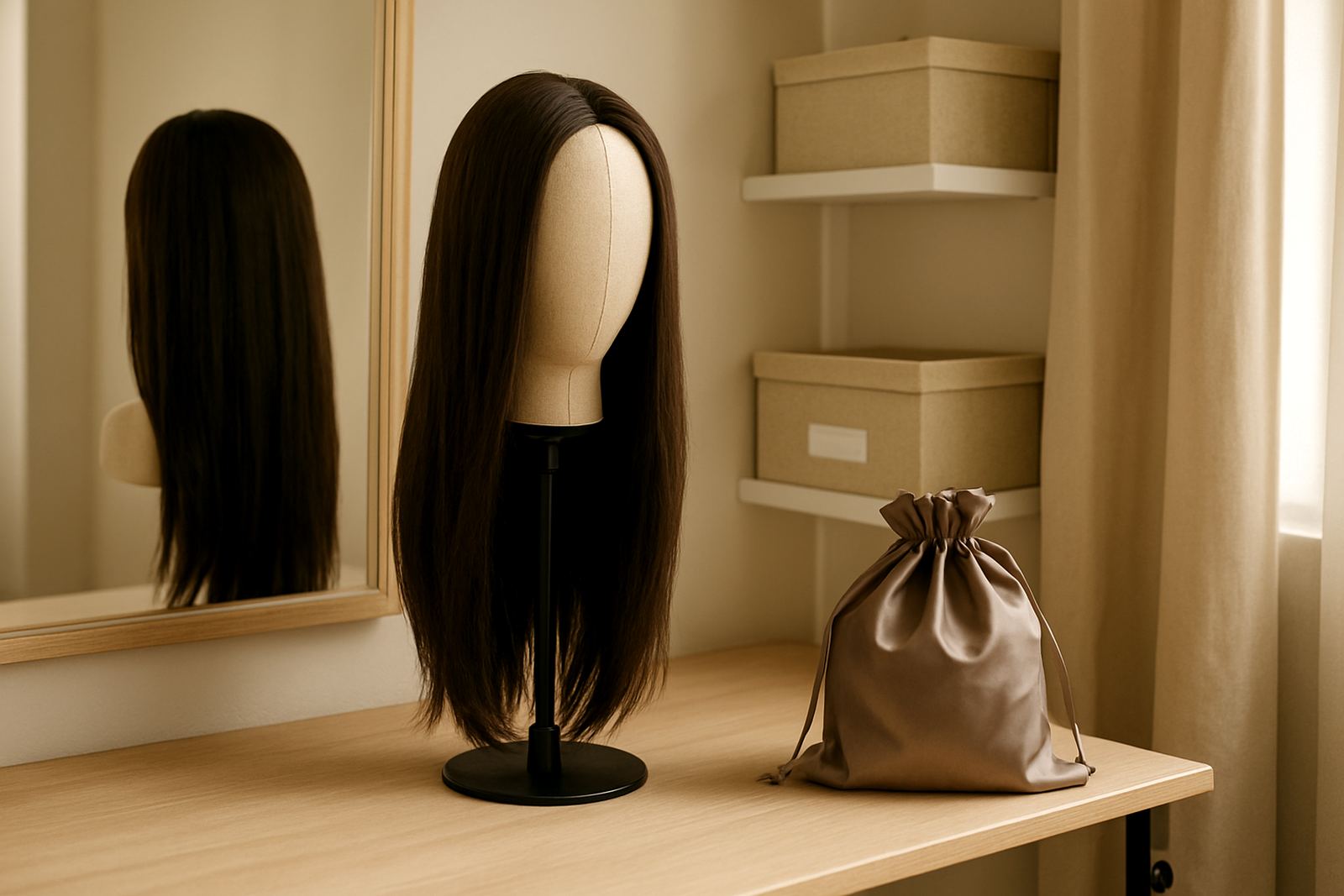
- Store pieces on a stand or in a clean bag away from direct sun
- Book a professional refresh if the texture starts changing
Heat is not the enemy on its own. Uncontrolled heat is. Once you understand the difference, it becomes much easier to keep your wigs and extensions looking neat for longer, even in Durban’s warmth and humidity.