
Start with the reason you want a wig
The easiest way to choose your first wig is to begin with your routine. Are you looking for something quick for work, fuller hair for special occasions, or a protective style while your own hair rests? That answer will guide everything else, from cap construction to length and maintenance. A first-time buyer often focuses on how a wig looks on the stand, but the real test is how it feels after a full day in Durban humidity, at the office, in the car and when you need to move fast.
If you want a simple first step, choose a style that matches your usual lifestyle. A shoulder-length unit is easier to manage than very long hair. A natural shade is often less stressful than a dramatic colour change. And if you are unsure, it helps to keep the first purchase close to your own texture and density so the look feels familiar. That way you learn the basics without feeling like you have to learn everything at once.
Fit matters more than most beginners think
Comfort is non-negotiable. A wig that slips, pinches or feels too warm will stay in the cupboard, no matter how beautiful it looks. Cap size should match your head measurements as closely as possible, and the ear tabs should sit flat without digging in. If you are between sizes, ask for a fitting and check whether adjustment is possible before you buy.
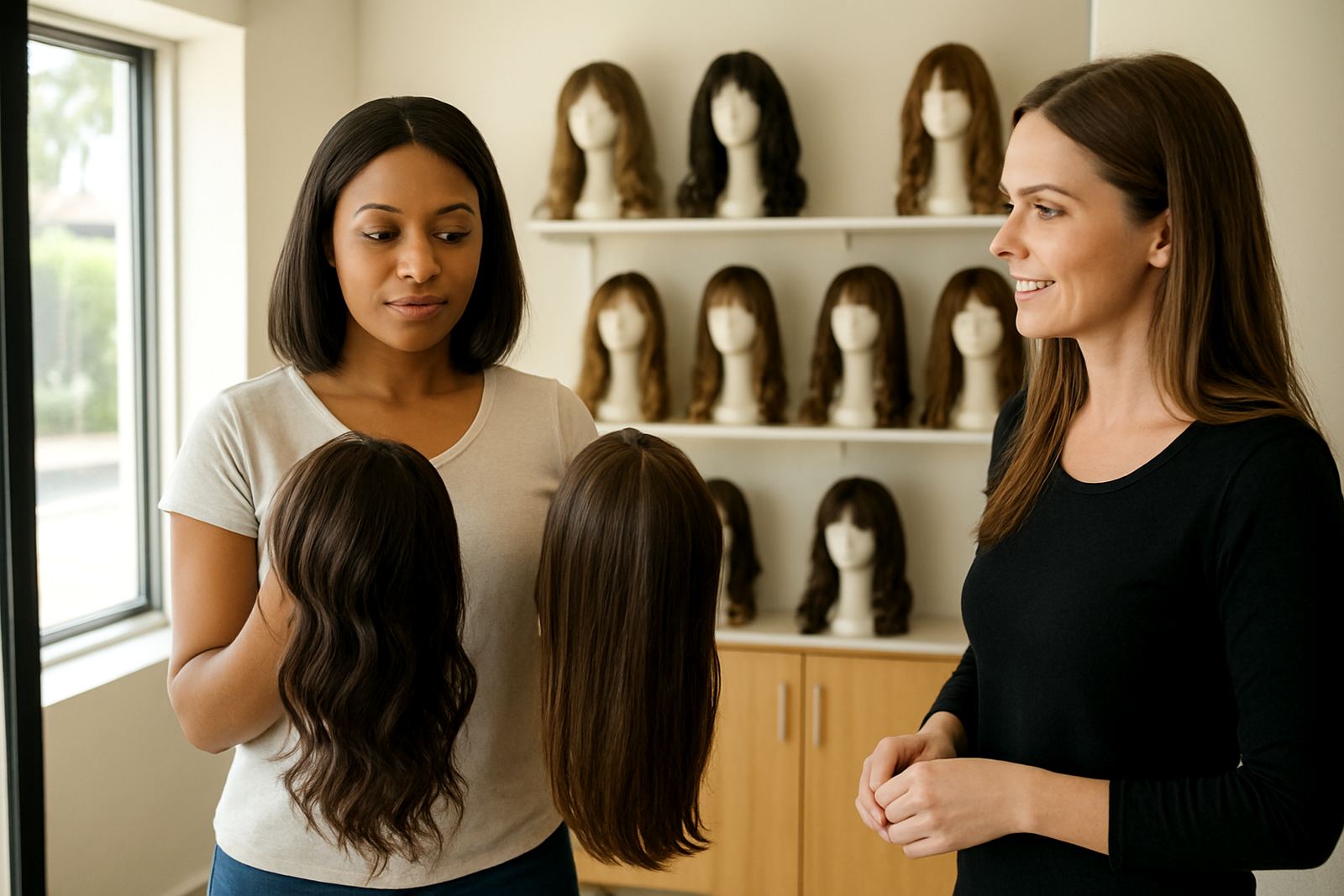
For many first-time wearers, a private fitting makes the biggest difference. You can test where the front hairline sits, how much lace you need, and whether the style feels balanced when you turn your head. In Umhlanga and the wider Durban area, the heat can make a tight cap feel even tighter, so a lighter, better-fitted option often wears far better through the day.
- Measure your head circumference before choosing a cap size
- Check for pressure points at the temples and nape
- Ask how much stretch the cap has for everyday comfort
- Try the wig with your preferred parting before you commit
Pick a style that suits your daily routine
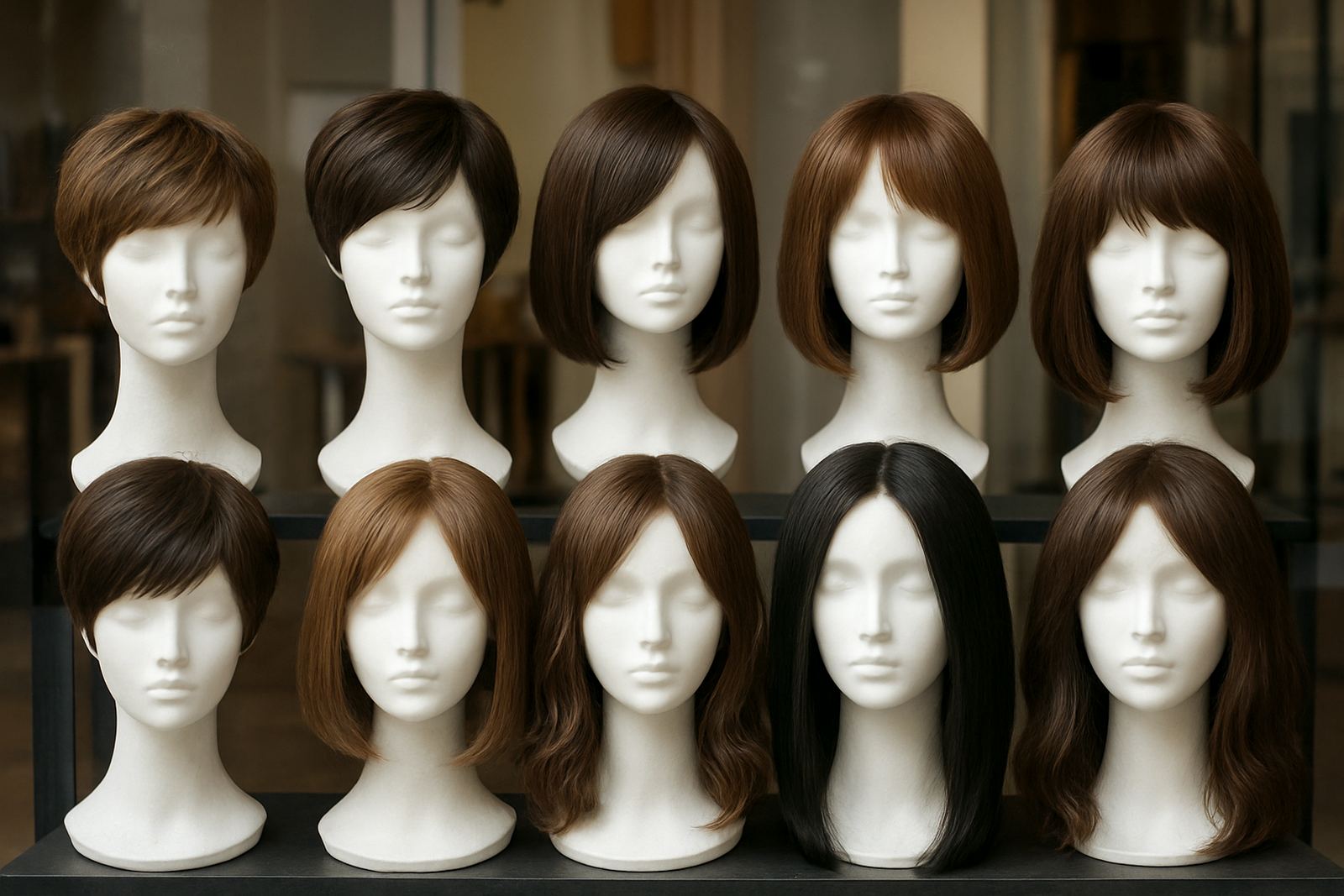
First wigs work best when they suit your actual life, not just a photo. If you need a look for school runs, meetings or weekend errands, a simple straight or softly layered style may be easier than a high-maintenance curl pattern. If you like volume, choose something with movement rather than a very dense unit, because too much hair can feel heavy and hot.
Think about how often you will style it. Some wigs need only a quick shake and a light brush. Others need heat, shaping or careful parting. If you do not want to spend long on your hair each morning, keep the first choice practical. A beginner should not feel like they need a full salon setup to get out the door. That is a good rule in winter too, when indoor heating and dry air can change how a fibre sits.
- Low-maintenance styles: bob lengths, soft waves, natural straight textures
- Special occasion styles: longer lengths, lace fronts, defined curls
- Daily wear options: lighter density, natural colour, simple parting
Learn the difference between wig types before you spend
There is no single best wig for everyone. Clip-on pieces are useful if you want quick volume or length, while a full wig gives more coverage and styling freedom. Lace front units can create a natural-looking hairline, which many first-time buyers prefer when they want a polished finish. If you are still unsure, ask what level of upkeep each style needs and how secure it will feel once you start moving around.
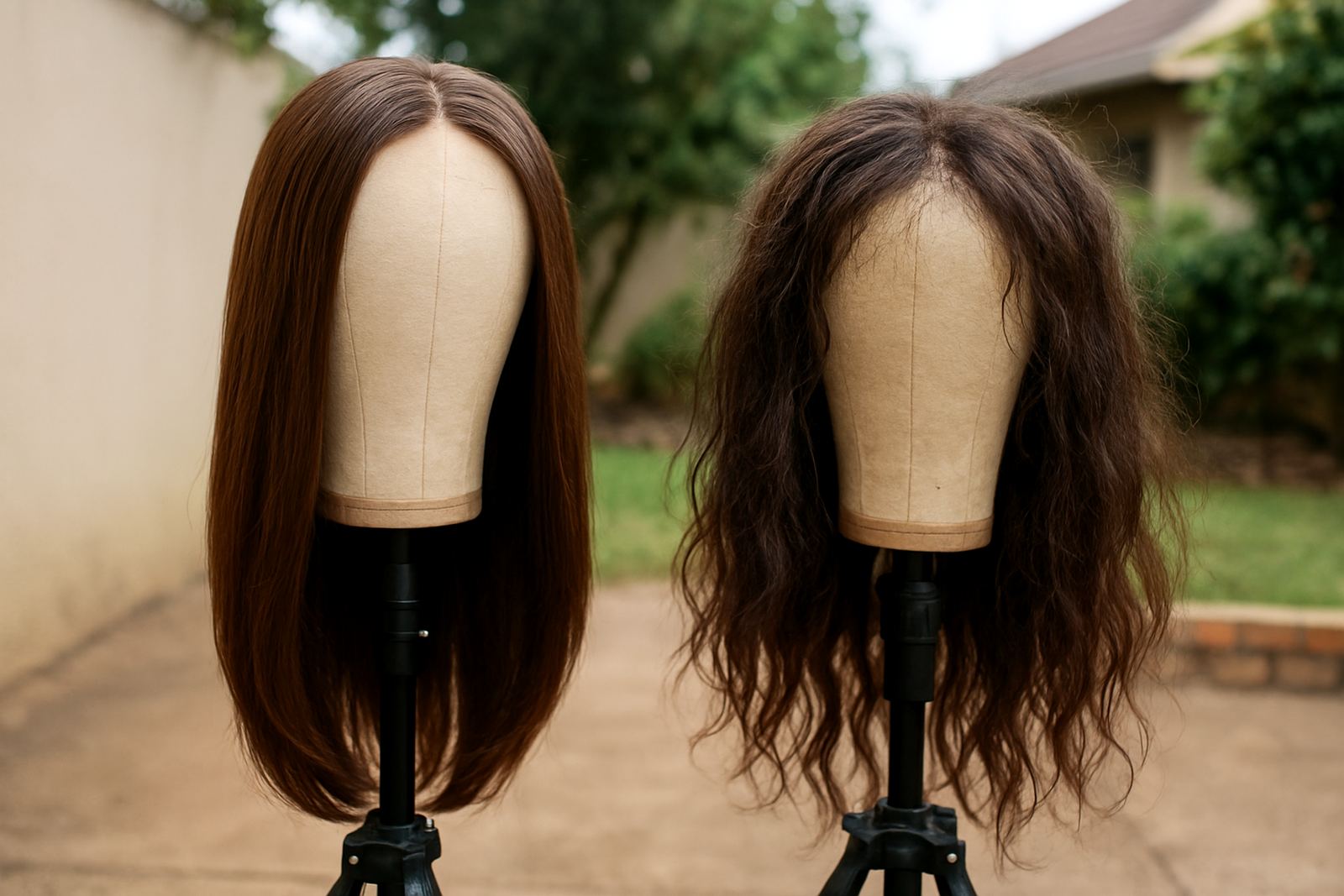
Hair fibre also matters. Human hair gives more styling flexibility and can usually be heat-styled with care, while synthetic options can be easier for beginners because they hold their shape. The trade-off is that heat, friction and humidity can affect each type differently. Along the KwaZulu-Natal coast, moisture in the air can change the way a style behaves by lunchtime, so it is worth asking how the unit reacts in local weather conditions.
Good questions to ask before you buy include:
- Can I part it in more than one place?
- How should I store it between wears?
- Will it hold up if I wear it several times a week?
- What maintenance does it need after washing?
Budget for the wig and the extras
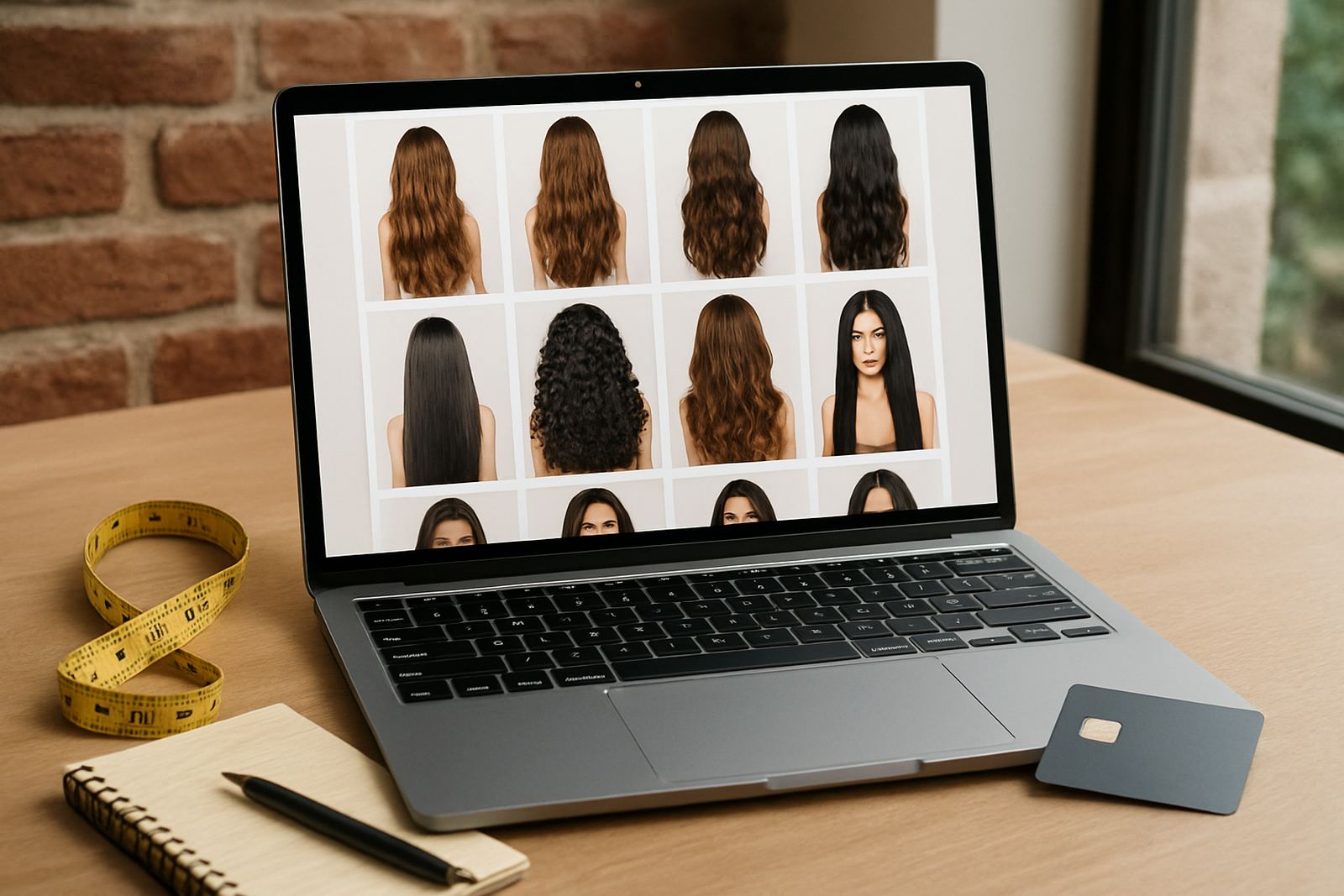
Your first purchase should include more than just the wig itself. Beginners often forget about the extras that help the style last and sit properly. You may need a cap, adhesive or tape for certain lace units, a brush, a stand, a wide-tooth comb and a heat protectant if the fibre allows for styling. It is better to plan for these items up front than to be caught out later.
Set a budget that gives you room for quality. A cheaper unit that tangles quickly or sheds heavily can cost more over time because you replace it sooner. On the other hand, you do not need the most expensive option to get a good first wig. A sensible middle range often makes sense for a beginner, especially if you are still learning what length, density and cap shape suit you best. If you are buying for occasional events, you can spend differently than someone who needs daily wear.
Local courier delivery also helps if you are outside Durban, but always allow for a little lead time before a wedding, matric dance or work trip. Last-minute purchases make fitting and colour matching harder, and nobody wants that pressure in the week of an important event.
Use colour matching to keep the first look believable
Colour is one of the easiest ways to make a first wig feel right. The safest choice is usually a shade close to your natural hair colour or skin tone, especially if you are still learning how to wear a wig with confidence. If you want highlights, auburn tones or blonde pieces, ask how the colour reads in daylight. Indoor light can be misleading, and a shade that looks soft in a boutique may look much brighter outside in Umhlanga sun.
Colour matching is also about your brows, your wardrobe and the finish you want. A cooler tone can look sharp, while warmer brown tones can feel softer and more forgiving if you are new to wearing hairpieces. If your first wig is for everyday wear, keep the colour easy to maintain. A striking colour can be fun, but it also tends to show roots, product build-up and uneven styling faster.
When in doubt, compare the wig against:
- Your usual makeup shades
- Your normal clothing colours
- Your natural root colour in bright daylight
- Any event lighting where you will wear it
Why a local consultation helps the first-time buyer
A first wig purchase is easier when someone can talk you through fit, style and care in plain language. A consultation lets you compare lace options, test cap sizes, adjust the line at the front and see whether a style works with your face shape and your day-to-day routine. If you are nervous, bring a reference photo and be honest about what you will actually manage at home.
For clients around Durban North, La Lucia, Ballito, Westville, Hillcrest, Phoenix and Amanzimtoti, a local consultation can save a lot of guesswork before courier delivery or event fitting. It is also useful if you want a follow-up for a cap size adjustment, wig refresh or styling advice after your first wear. The goal is not to make the process complicated. It is to help you leave with a wig that feels like it belongs on your head, not something you have to fight with every morning. That confidence usually shows right away.