
Start with the hair type and construction, not the photos
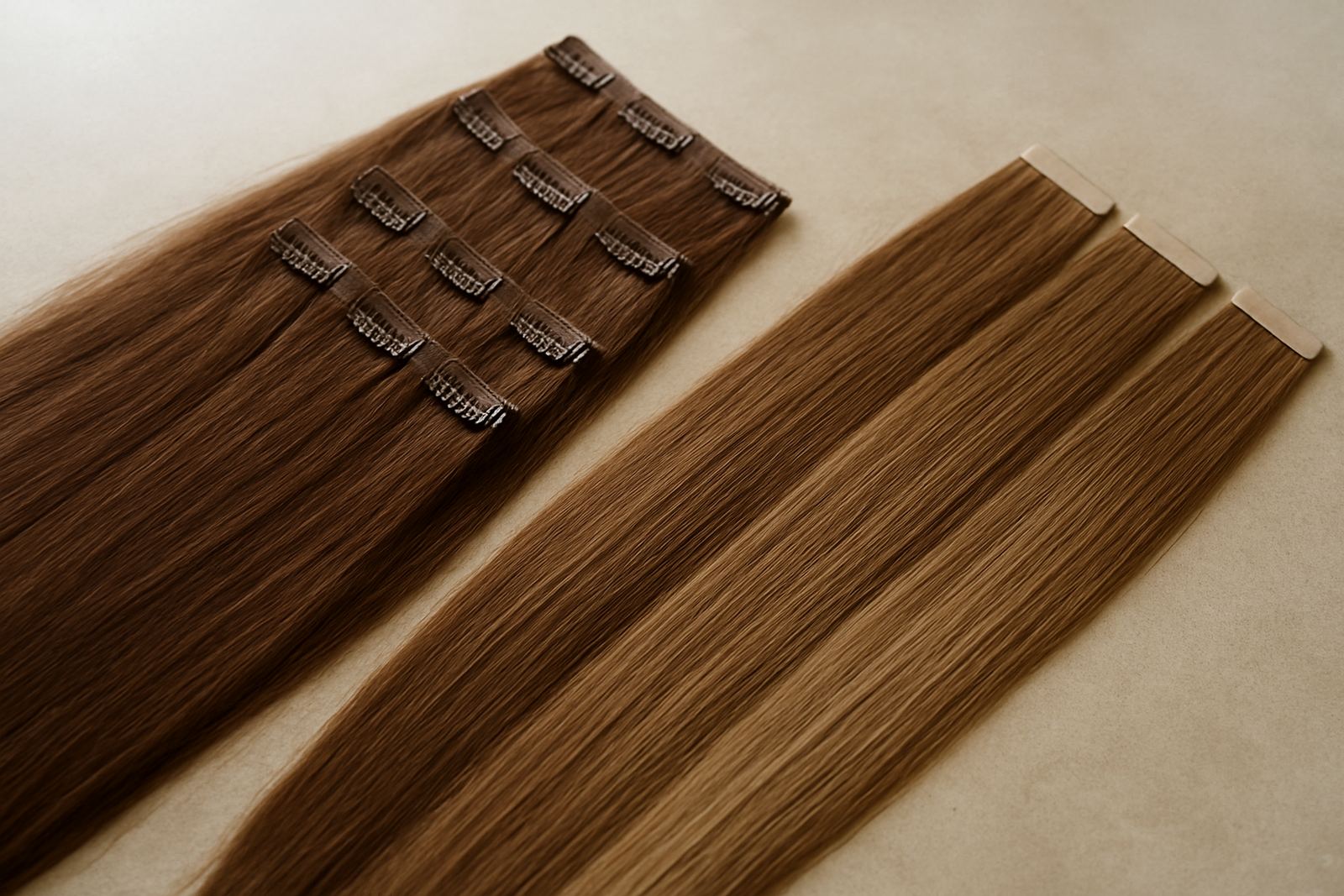
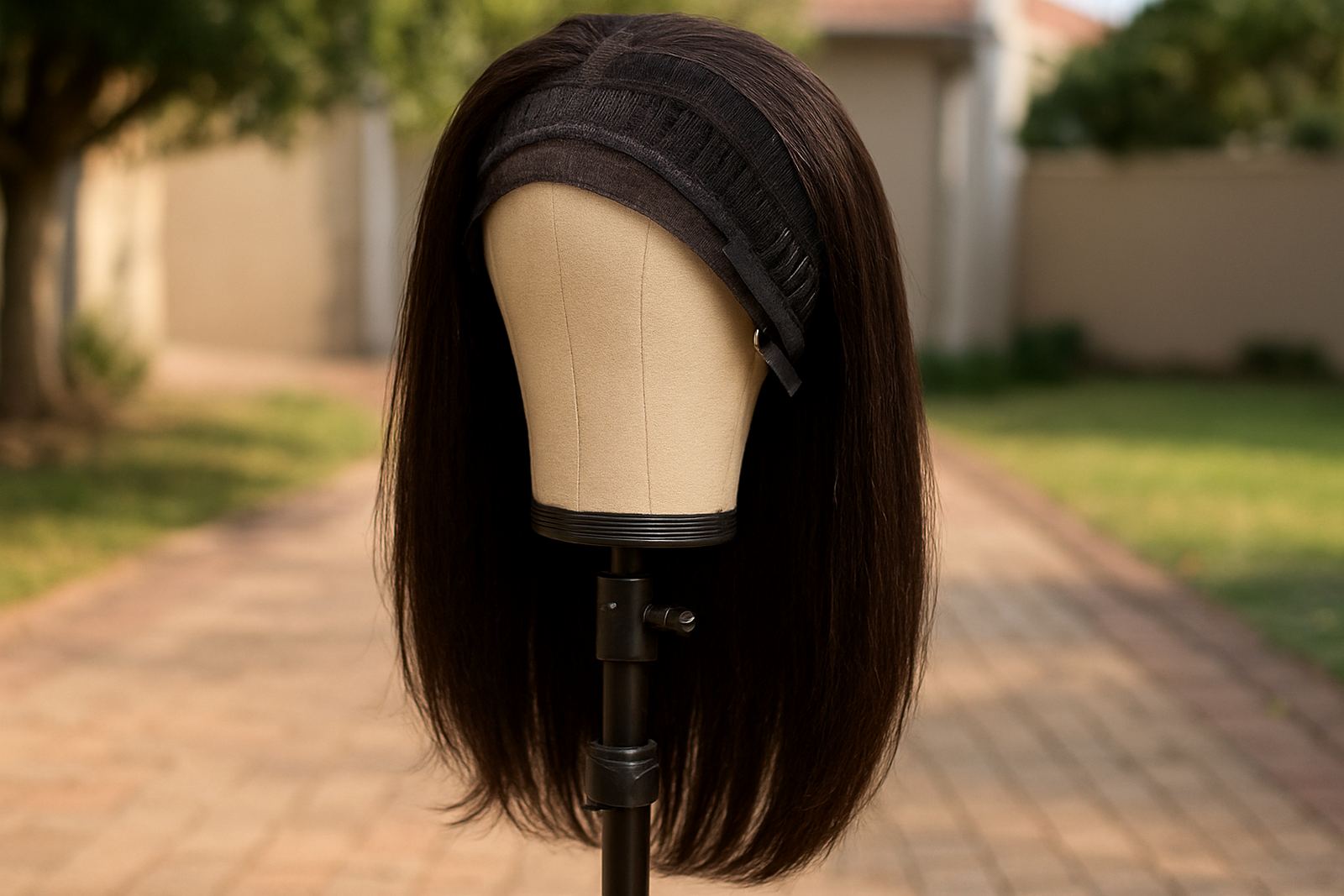
Good product images help, but they should never be your only guide. Before you order, check what type of hair you are buying, how the piece is made, and whether it suits the way you wear your hair day to day. A lightweight clip-in set for occasional volume is very different from a lace front wig for regular wear, and the right choice depends on your routine, budget and how much styling you want to do.
In Durban and along the coast, humidity can make some textures swell or frizz faster, so it helps to know whether the hair has been processed for easier maintenance. If you prefer a polished finish with less daily effort, ask for details on density, length, cap construction and whether the hair can be heat styled. That one bit of information can save you from ordering something that looks nice in a picture but does not suit your life at all.
Check the fit details before you commit
Fit is one of the biggest reasons people feel disappointed after an online order. With wigs, the cap size, parting space and lace area must suit your head shape and styling preference. With extensions, you need to know the length, weight, attachment method and how much hair you already have to support the add-on pieces.
Before paying, measure properly and compare those numbers with the product details. If you are ordering from Umhlanga, Ballito or further inland in Hillcrest, the same rules apply because a couriered order cannot be guessed into the right fit. For many customers a private consultation or virtual consultation is worth it, because a few careful questions can prevent a return and weeks of waiting.
- Measure your head circumference for wigs, then check the cap size.
- Ask how much lace is included and where the parting can be placed.
- Confirm whether the piece is suitable for glue, tape, clips or sewing.
- Check the weight and length so the style does not feel too heavy by midday.
Read product descriptions like a buyer, not a browser
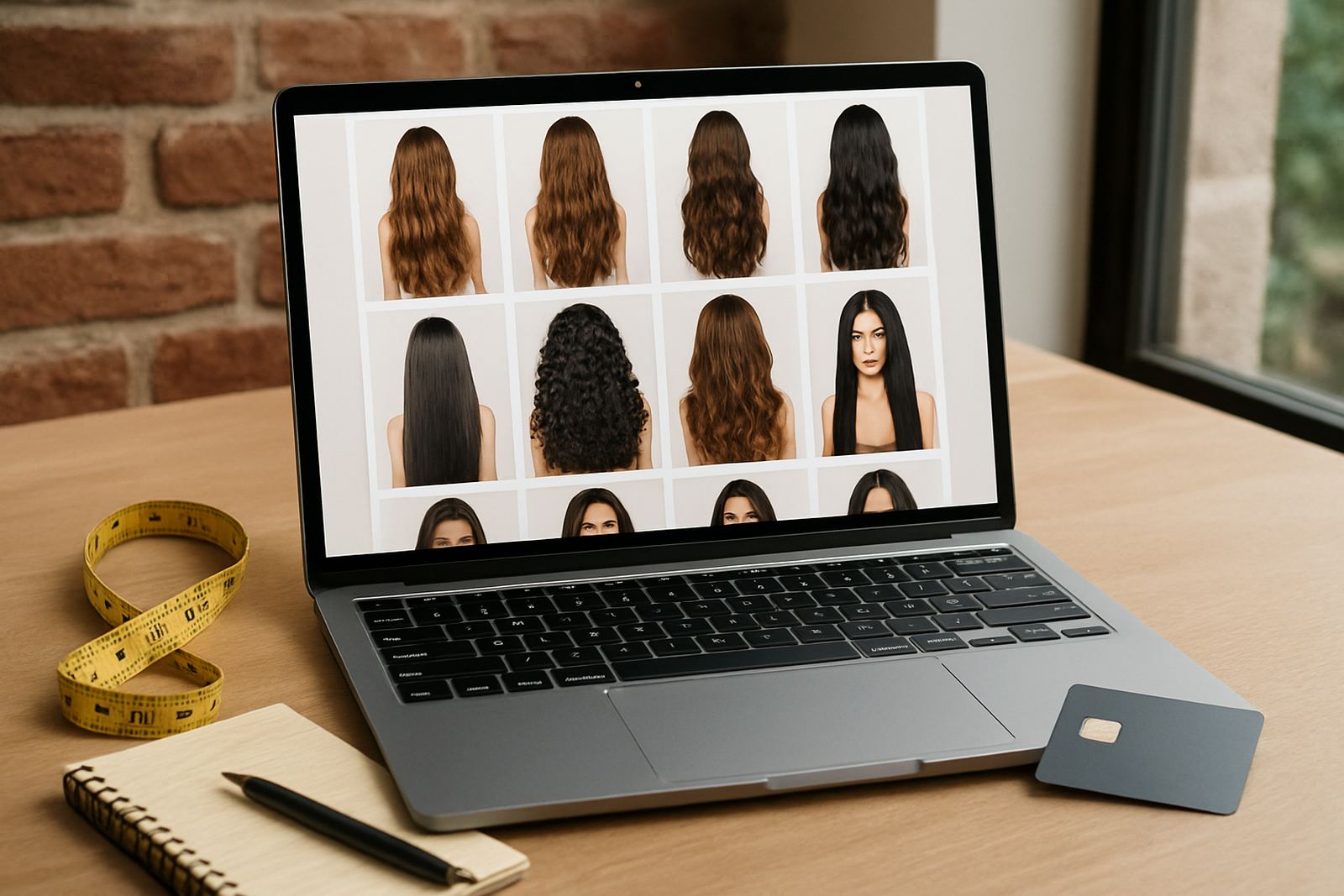
Online shopping is safest when you slow down and read the full description. Look for fibre or hair source, texture, colour notes, cap type, density, and care instructions. If the listing only says the hair is “premium” or “luxury” with no proper details, that is not enough information to make a sound choice.
You should also check whether the colour shown is a studio finish or a natural light photo, because tone can change a lot between screens. A light brown piece can look warmer indoors and cooler near a window, and that matters if you are trying to match your own hair or a specific event outfit. If you are buying for work, a wedding, or a weekend in Umhlanga Ridge, ask whether the piece needs customising before wear. Small details make a big difference, and it is easy to overlook them when you are rushing.
Use courier and payment checks that protect your order
Safe shopping is not only about the hair, it is also about how your payment and delivery are handled. Make sure the checkout process is clear, the payment method is secure, and the delivery timeline is realistic for where you live. If you are ordering to Durban North, Phoenix or Amanzimtoti, ask how long the courier usually takes and whether rural or outlying addresses need extra time.
Keep your proof of payment and order confirmation together until the parcel arrives. It is also sensible to check how the business handles errors, damaged parcels or incorrect colours. If a seller avoids clear answers, that is a warning sign. Many buyers feel rushed by special offers, but a safe order is one where the terms are clear before money leaves your account.
- Use a secure payment method that gives you a record of the transaction.
- Confirm the courier period and ask what happens if the parcel is delayed.
- Check the returns and exchange terms before checkout.
- Keep screenshots or messages of the product details, just in case the item received differs from what was ordered.
Ask about aftercare because South African weather is not gentle
Hair care does not stop once the parcel lands. In our climate, strong sun, coastal moisture and power cuts can affect how long a style lasts between washes. That is why it helps to ask how to store the hair, how often it should be washed, and which products should be avoided. If you are using a wig for daily wear, you also need to know how to refresh it without damaging the lace or loosening the knots.
A proper supplier should be able to guide you on wig styling, wig refresh work, colour matching and cap size adjustment, because these small services keep a purchase looking good for longer. Clip-in installs and tape-in fitting also need practical advice so you do not pull on your own hair or create tension around the edges. The goal is to buy something that can be worn confidently, not just something that looks good in a box.
Choose support that answers real questions, not only sales questions
Before you order, ask yourself whether the seller can help with the decisions that matter most. Can they explain the difference between a lace front wig and a full cap? Can they tell you how to choose a ponytail fitting for a special event? Will they help with lace customising or a colour match if the shade is not quite right? If the answer is yes, you are already in a safer place.
At Hair Fair in Umhlanga, many customers come in with a photo on their phone and a very practical brief: something for work, something for a graduation, something easy enough for load-shedding evenings when styling time is short. That kind of real-life shopping works best when advice is direct and the options are explained plainly. Good service does not remove choice, it helps you choose well the first time.