What hair density actually means
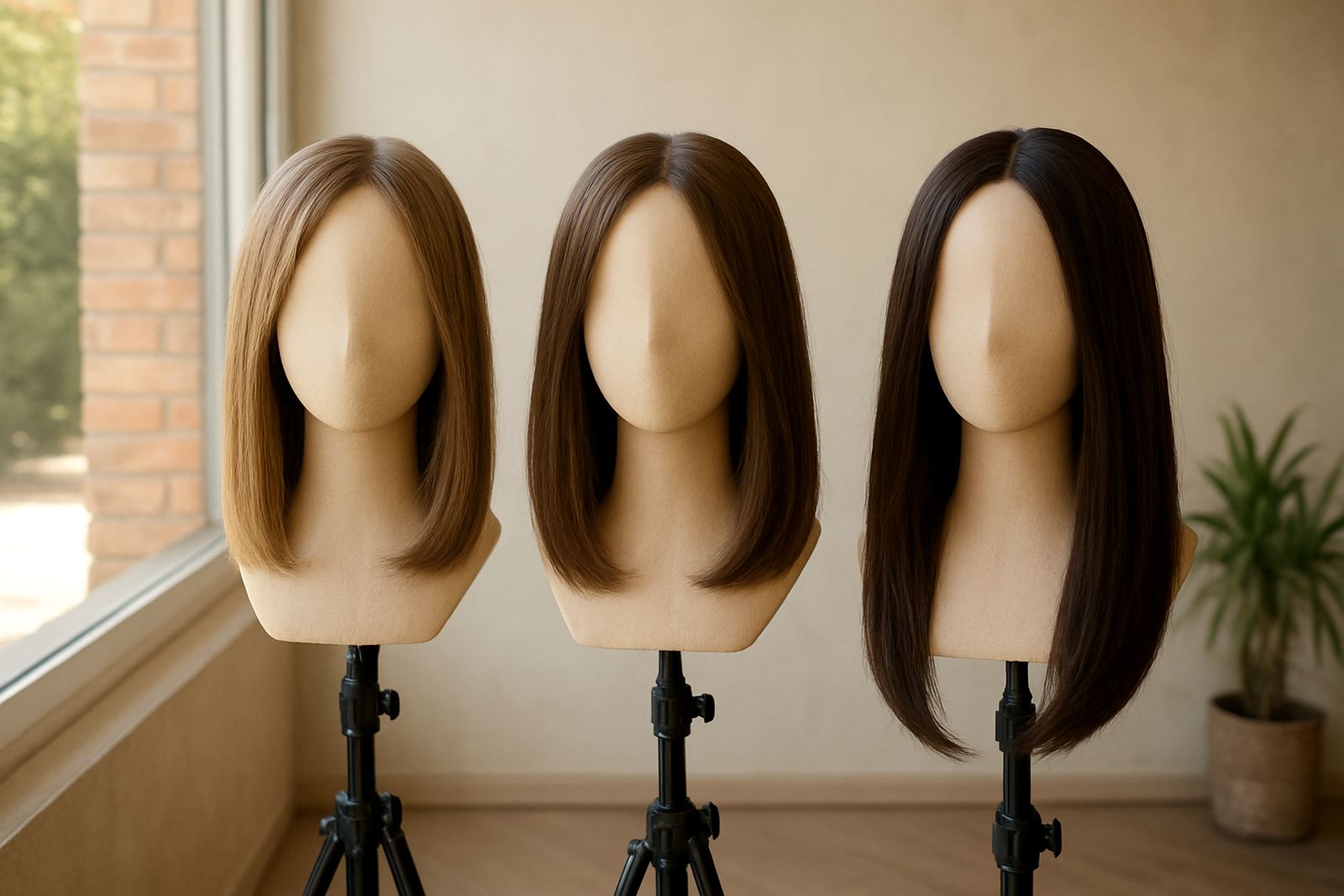
Hair density refers to how much hair is placed on the cap or added into an extension piece. In simple terms, it is the difference between a light, natural-looking finish and a fuller style with more body and presence. It is not the same as hair length or hair texture, and that is where many people get caught out.
Two styles can be the same colour and length but still look completely different because one is low density and the other is medium or high density. If you are choosing for daily wear, it helps to think about the look you want from the front, sides and crown, not just how much volume you can see in the pack. The right density should suit your face shape, your own hairline and the way you like to style your hair.
Why density changes the final look
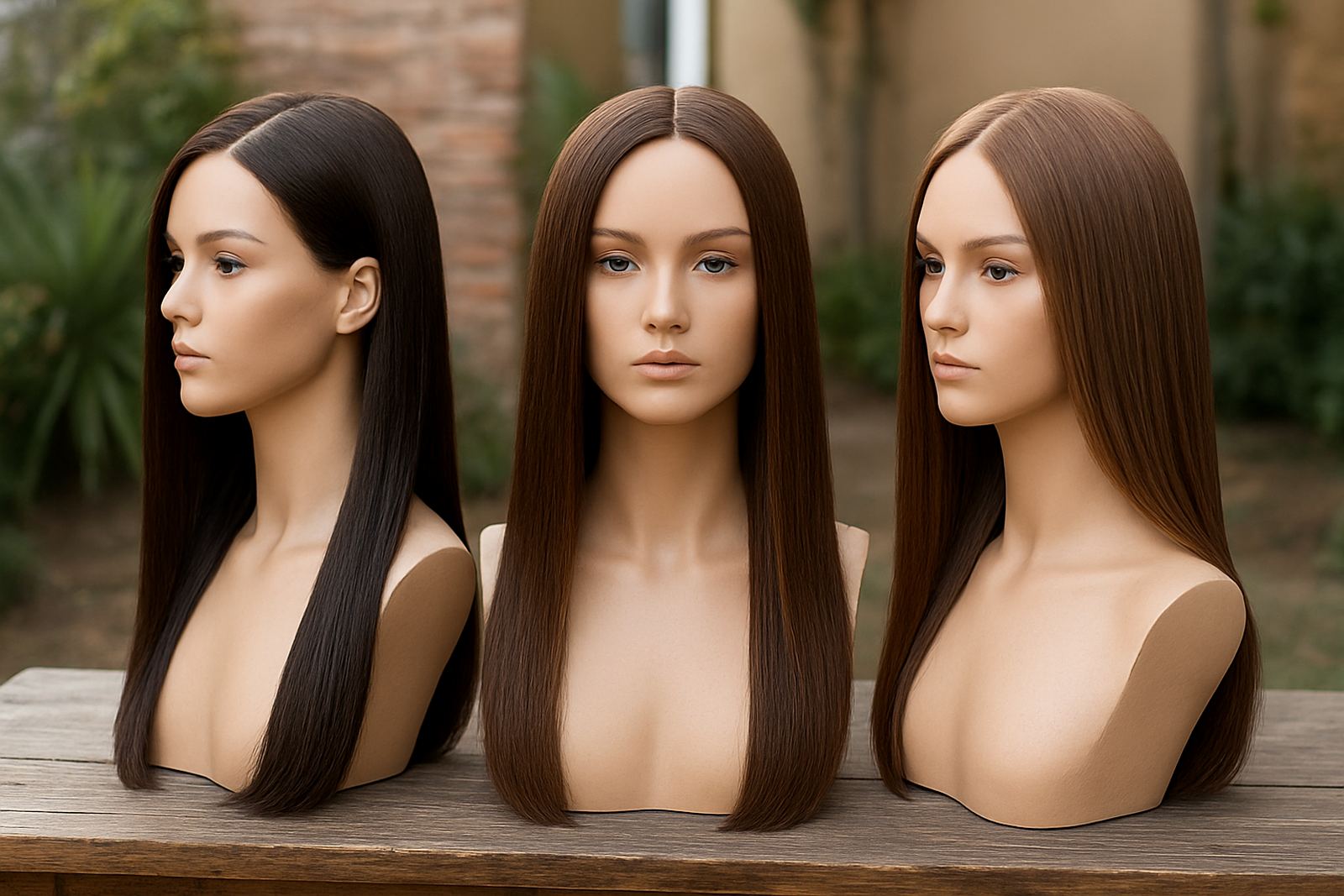
Density affects three things at once: fullness, movement and realism. A lighter density often gives softer movement and a finish that sits closer to natural hair, especially around the parting and hairline. A fuller density gives more volume, more coverage and a stronger style statement.
If you want a polished look for work, school runs or everyday errands around Umhlanga, a medium density often gives enough body without looking heavy. If you are styling for a wedding, photoshoot or event in Durban where you want the hair to hold shape in humidity, you may prefer more density so the style keeps its form for longer.
- Low density suits a softer, more natural finish
- Medium density works well for most everyday looks
- High density gives extra fullness and bigger styling room
Matching density to your own hair
The best density is usually the one that blends with what you already have. If your natural hair is fine, a very full wig or extension set can make the difference obvious, especially when the wind picks up along the coast. If your own hair is thicker, a light density piece may look flat at the front and not sit comfortably with your leave-out or edges.
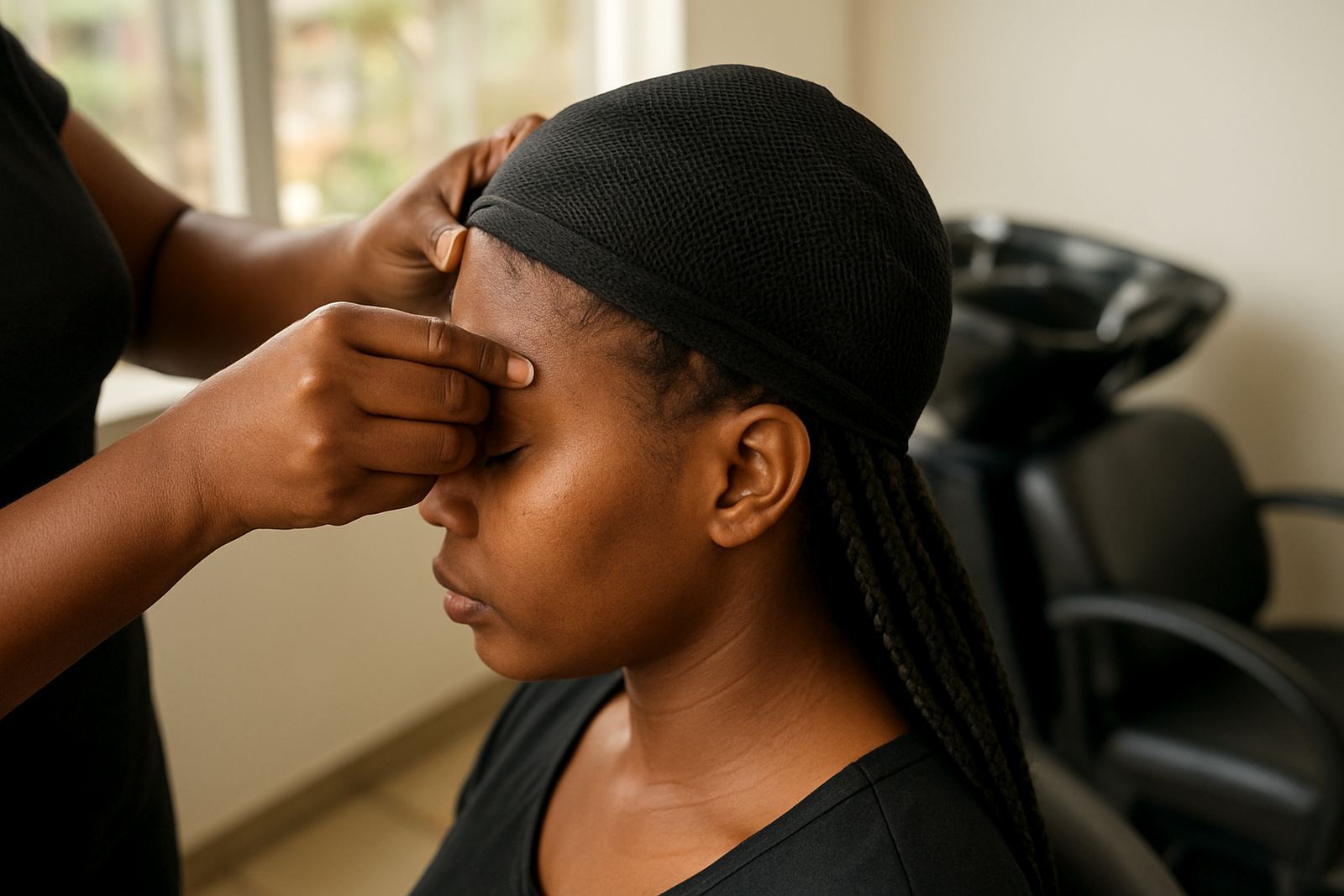
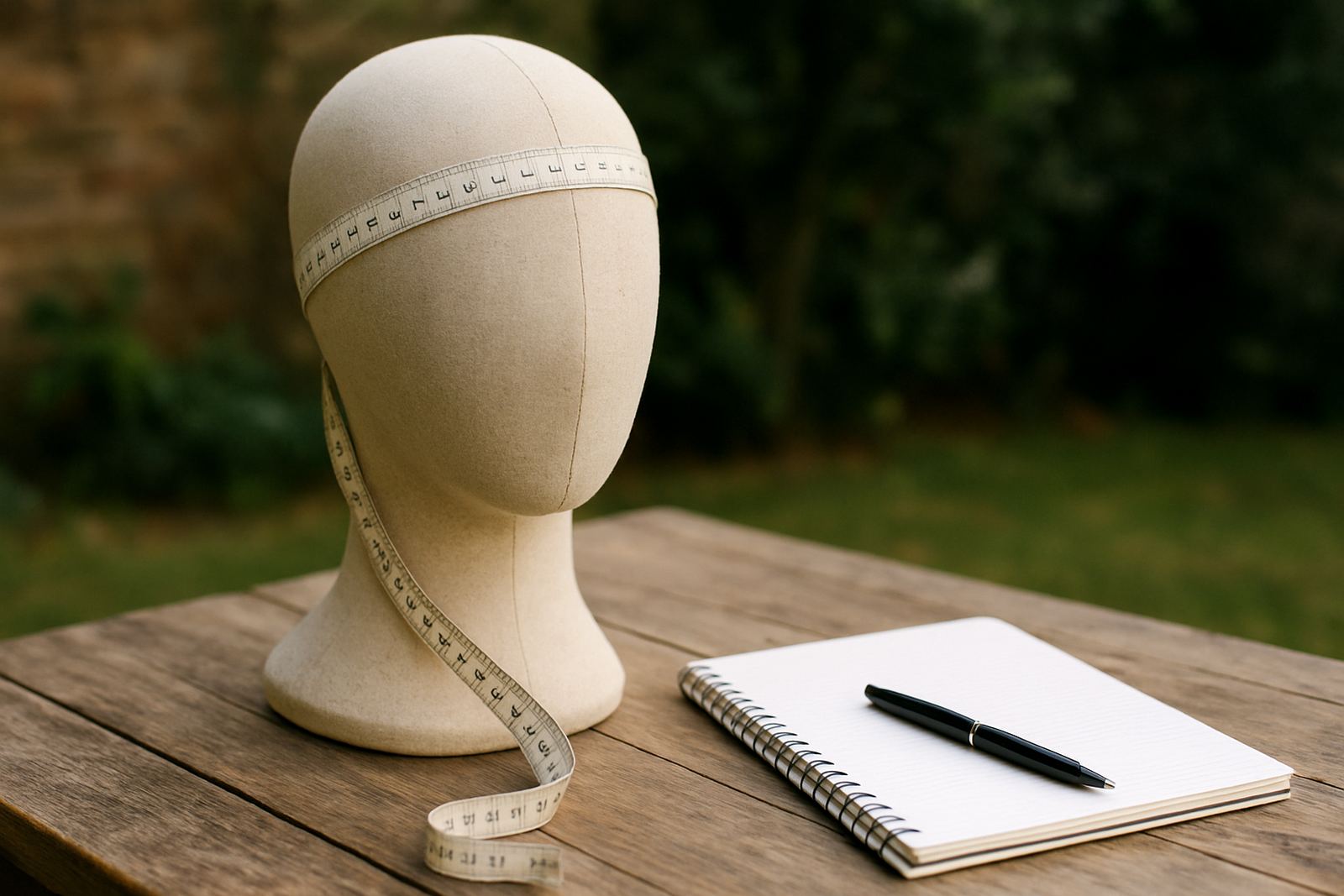
That is why a proper colour matching and fitting session matters. At Hair Fair, clients often bring a photo of their usual style or the look they want to reach. From there, the density can be chosen to match the way the hair falls at the temples, crown and nape. In some cases a cap size adjustment or lace customising also helps the density sit more naturally. A good match should feel like your own hair, just better prepared.
- Fine hair usually blends best with lighter to medium density
- Medium hair can handle a wider range of fullness
- Thicker hair often needs a fuller piece for balance
Everyday wear versus special occasions
Your routine should guide your density choice. For daily wear, you want something that is easy to manage, quick to brush and comfortable in warm weather. In places like Durban North or Westville, where people move between home, office and traffic in one day, a heavy unit can feel too warm or take too long to style. Medium density often gives the best mix of comfort and shape.
For events, a fuller density can photograph beautifully and hold curls, waves or sleek styles with more impact. It can also help if you are booking wig styling for a formal occasion and want the hair to look a little more dressed up. Still, more hair is not always better. If the density is too high for the cap size or for your frame, the style can sit too big and overpower your features.
How local weather and lifestyle affect density choices
South African weather plays a bigger role than many people expect. Coastal humidity, summer heat and even load-shedding all affect how a hairstyle behaves. In humid areas like Umhlanga, La Lucia and Ballito, very dense styles may need more heat styling and more maintenance to keep them neat. Lighter density can be easier to refresh between washes and faster to dry if you are washing by hand at home.
If you wear clip-ins, tape-ins or a ponytail piece, think about how often you will install and remove it. A heavier set may look glamorous but it can also feel tiring after a long day. For school pickups, office meetings and weekend plans, practical density is often the smarter choice. It keeps the hair looking full without making your routine harder. That balance matters, especially if you want the style to stay in rotation for months.
- Coastal humidity can make very dense styles feel hotter
- Light to medium density is easier for quick restyling
- Fuller density may need more brushing and product control
Getting the number right before you order
If you are unsure, start by asking what look you want rather than asking for the thickest option. Bring a reference picture, note your face shape and tell the consultant how often you plan to wear the piece. A private consultation or virtual consultation can help you compare options without rushing. This is especially useful if you are ordering couriered stock nationwide and need the choice to be right first time.
Some clients prefer a natural finish with soft parting space, while others want a fuller style for a special event or a protective look. The right density should support your style, not fight it. When density is matched well, the hair moves better, sits flatter where it should, and looks more believable from every angle.
A small detail can make a big difference, so be honest about your daily routine and maintenance habits. If you are not planning regular styling, a simpler density may serve you better than a very full one.