
Why lower manipulation matters for busy routines
Hair does not need to be handled every day to look neat. In fact, constant pulling, brushing and re-styling can leave the hairline stressed and the ends dry. Protective styles reduce how often the natural hair is exposed to that kind of wear, which can be helpful for women who are growing out a relaxer, managing natural texture, or simply trying to spend less time on hair each morning.
For many South African women, the pressure is practical. A school run in Durban North, an early shift in Umhlanga, or a long drive from Westville to the office leaves very little time for wash day. A well chosen wig or extension style can help keep your routine simpler for a few weeks at a time, while still giving your own hair space to rest underneath.
- Less daily combing and brushing
- Fewer heat styling sessions
- Reduced breakage from constant handling
- More time between full wash days
How wigs fit into a protective hair routine
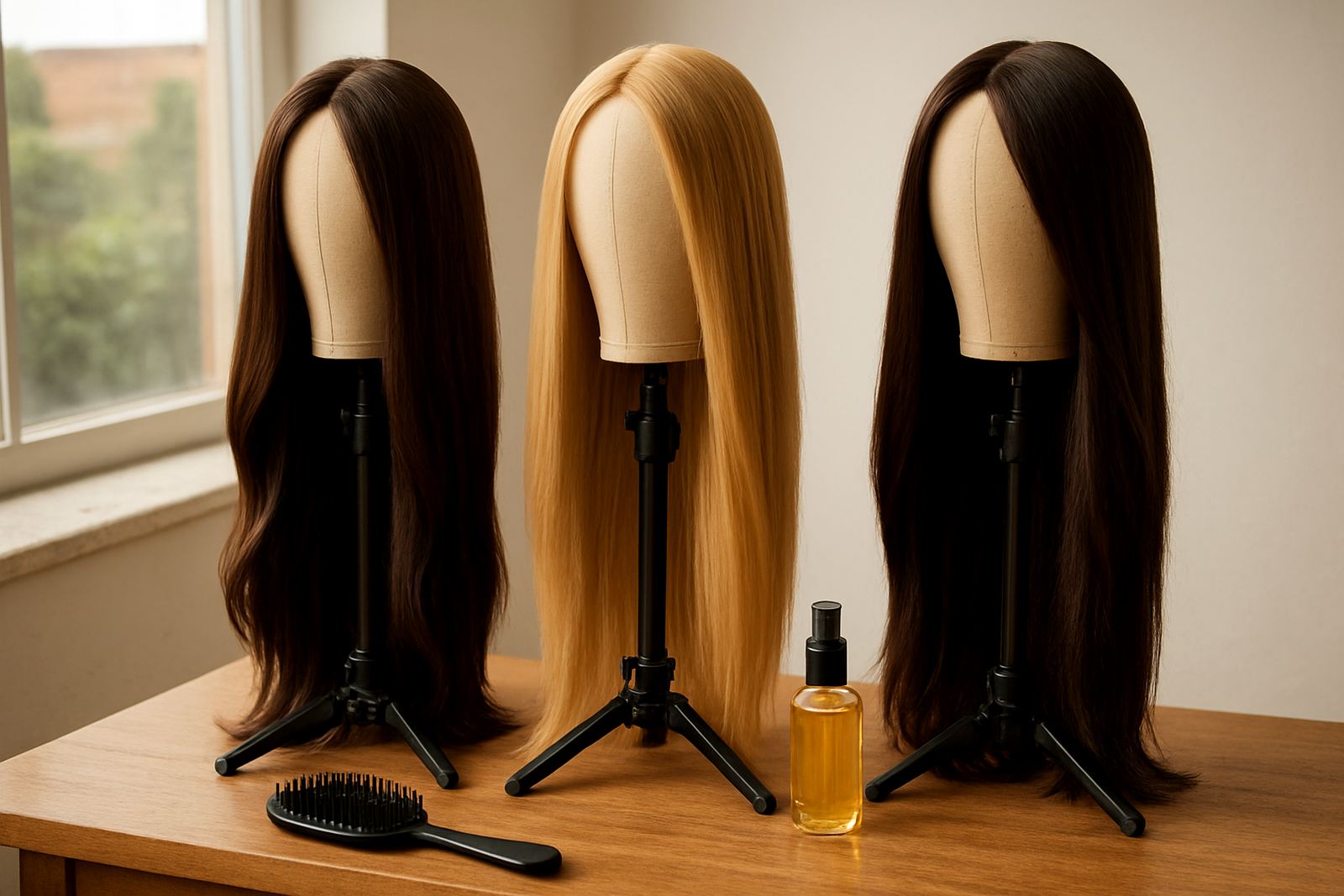
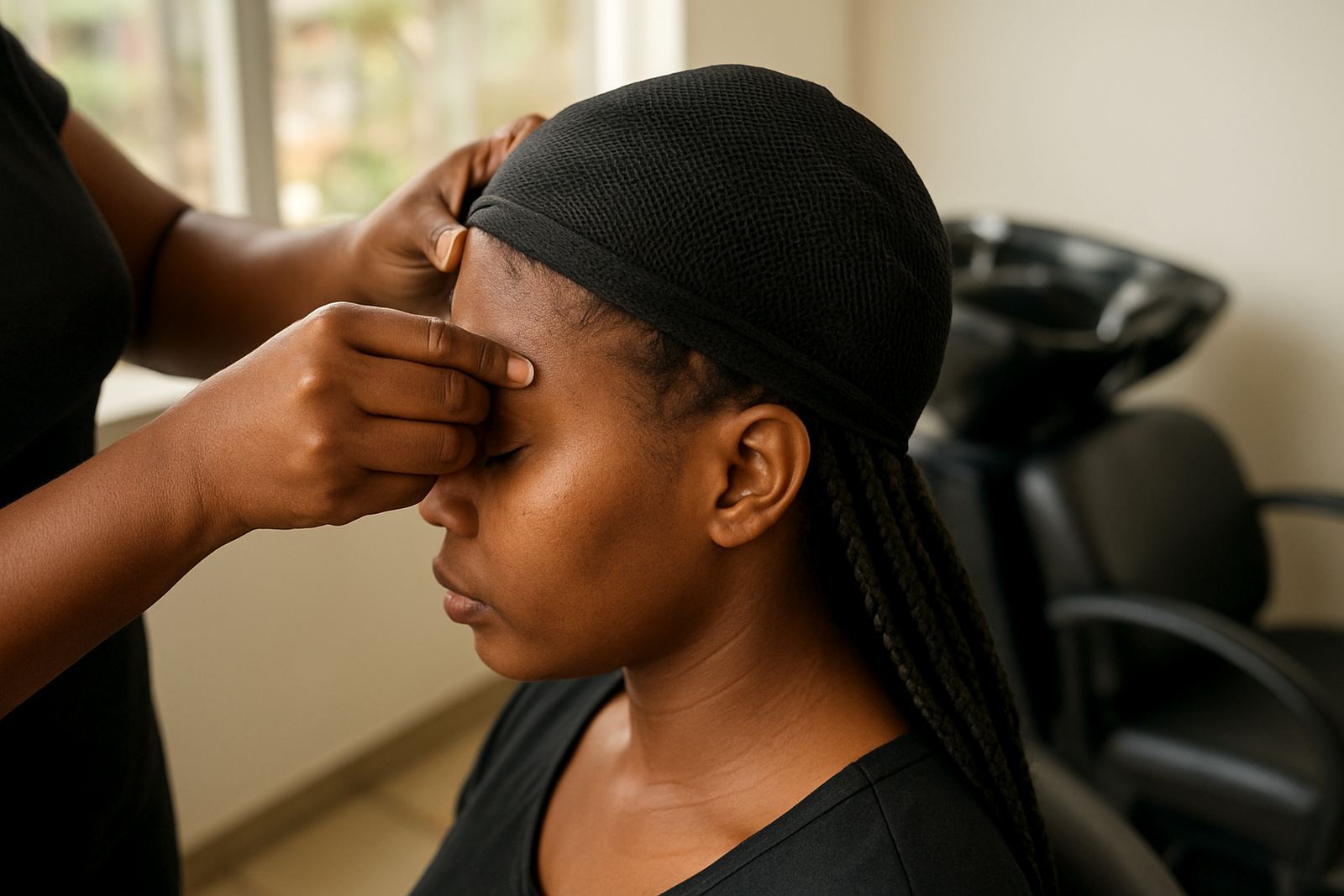
Wigs are one of the most flexible protective options because they can cover the natural hair completely when fitted and cared for properly. The key is not just wearing a wig, but preparing the hair underneath in a way that keeps it neat, dry and comfortable. That means choosing a flat base, avoiding bulky plaits that create pressure, and making sure the cap fits well without rubbing at the temples or nape.
At Hair Fair, clients often ask about lace front wigs, glueless wear, cap size adjustment and wig fitting. Those details matter because a protective style should protect, not create tension. If the fit is too tight, you may see headaches, edges that feel sore, or an irritated scalp. If it is too loose, the wig shifts and you end up adjusting it all day. The right fit makes a big difference.
- Keep the scalp clean and dry before installation
- Use a comfortable cap or braid pattern underneath
- Check that the hairline is not pulled back too tightly
- Remove the wig at night if the style and care routine require it
The benefit of changing styles without changing your hair
One of the strongest benefits of wigs is flexibility. You can wear straight hair this week, curls next week and a fuller longer look for an event, all while keeping your natural hair tucked away. That helps if you want to avoid heat damage, or if your own hair is in a recovery phase after colouring, relaxer processing or repeated styling.
This kind of variety is useful for real life too. A client in Ballito may want something polished for meetings, then prefer a softer style for weekend braais. Another client in Amanzimtoti may need a quick install for a wedding and then a low maintenance look for the rest of the month. Protective styling should fit your schedule, not the other way round.
- Switch looks without daily heat styling
- Keep your natural hair tucked away during growth phases
- Choose different densities and lengths for different occasions
- Make special events less stressful to prepare for
Protective styling in Durban heat and humidity
Durban weather can test any hair routine. Humidity causes frizz, sweat builds up quickly, and coastal moisture can make styling feel like hard work. A good protective style can help you manage that by reducing how much natural hair is exposed to the elements every day. That said, a wig still needs proper care. Sweat at the hairline, product build-up and trapped moisture can become uncomfortable if you leave a style in for too long.
For women living near the coast, it is worth choosing breathable caps, keeping the scalp refreshed, and allowing regular breaks between installs. If you work near the beachfront or commute in the heat, carry a small cloth or blotting paper and avoid heavy oils at the hairline. Simple habits make the style last longer and feel better.
- Use lighter products in humid weather
- Clean the hairline regularly to prevent build-up
- Allow your scalp to breathe between wears
- Store wigs properly so they keep shape in damp conditions
When to choose a wig, and when to choose another protective option
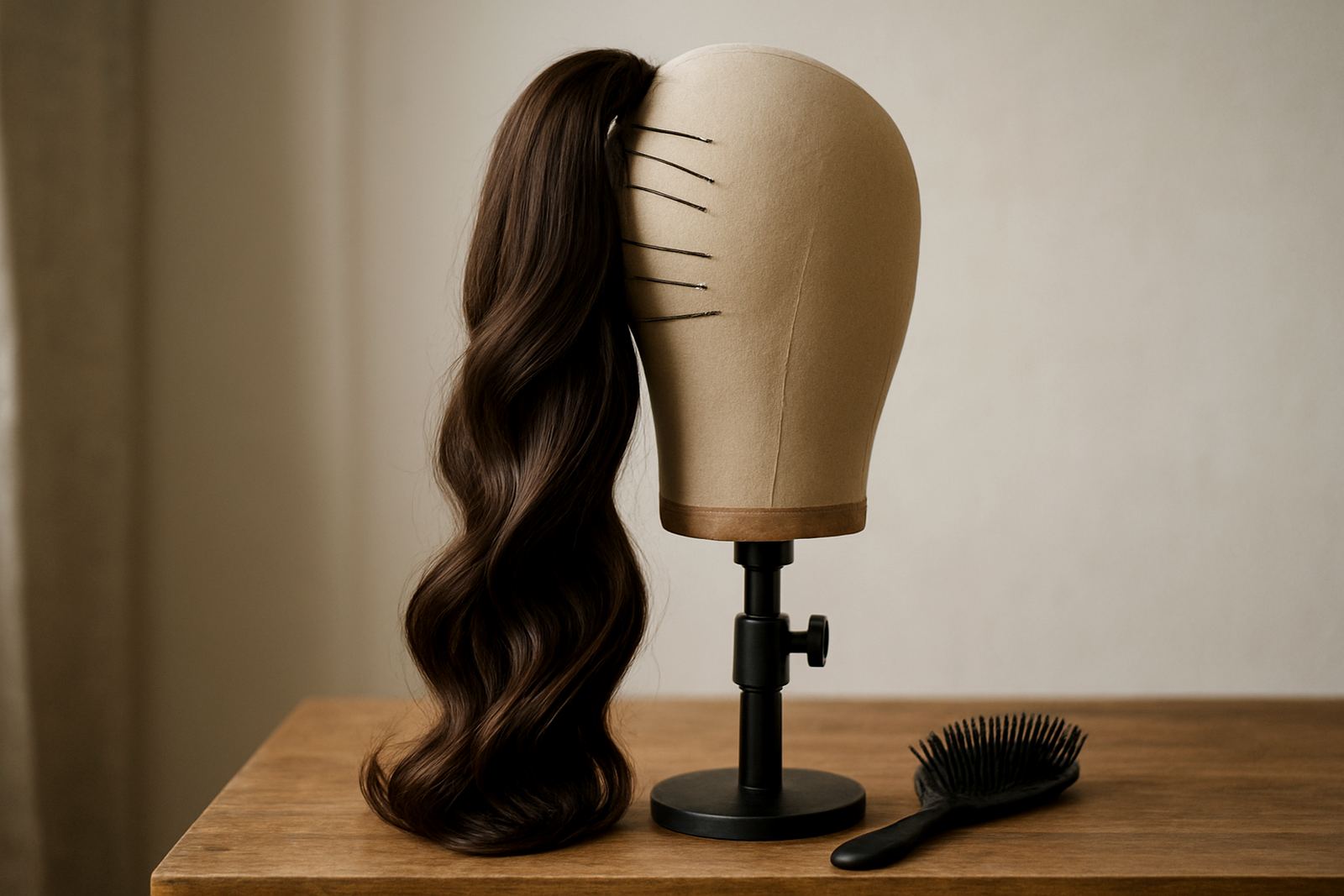
Not every protective style suits every head of hair. Wigs work well when you want a full change, low daily handling and the option to take the style off. But some clients prefer tape-ins, clip-ins, ponytail fittings or a softer partial style when they want movement without full coverage. The best choice depends on your lifestyle, scalp sensitivity and how much time you can spend on maintenance.
If you are active, exercise often, or need something for school pickup and office hours in one day, a lighter style may be easier to manage. If you want complete coverage for a few weeks and a neat finish for meetings or functions, a wig may be the better fit. There is no single correct answer, just a style that matches your routine.
- Wigs for fuller coverage and flexibility
- Clip-ins for occasional volume and length
- Tape-ins for a more settled look with less daily effort
- Ponytail fittings for quick polish on busy days
Making the style work at home and on the move
The benefits of protective styling are strongest when your at-home routine is simple. That means storing the wig properly, keeping your natural hair moisturised underneath if needed, and booking a refresh when the style starts looking tired. A lace customising service, wig styling or a private consultation can also help you choose a look that suits your face shape and daily routine without too much guesswork.
At Hair Fair in Umhlanga, many clients use couriered orders nationwide, then follow up with a virtual consultation or in person fitting when they are in Durban. That mix of convenience and personal guidance helps women from La Lucia, Hillcrest, Phoenix and beyond make a choice that feels practical. Protective styling should save time, reduce fuss and still let you feel like yourself. That is the real value.
- Choose a cap size and fit that feels secure, not tight
- Schedule wig refreshes before the style becomes difficult to manage
- Keep a simple care routine for washing, storage and detangling
- Use consultation support when you are unsure about colour or density