

Start with a clean base before you fit
Before your wig goes on, make sure your own hair is flat, dry and secure. A smooth base helps the wig sit better and reduces bulk at the nape and temples. If your hair is long, braid it down or pin it close to the head. For shorter hair, a cap can help keep everything in place and give you a neater finish.
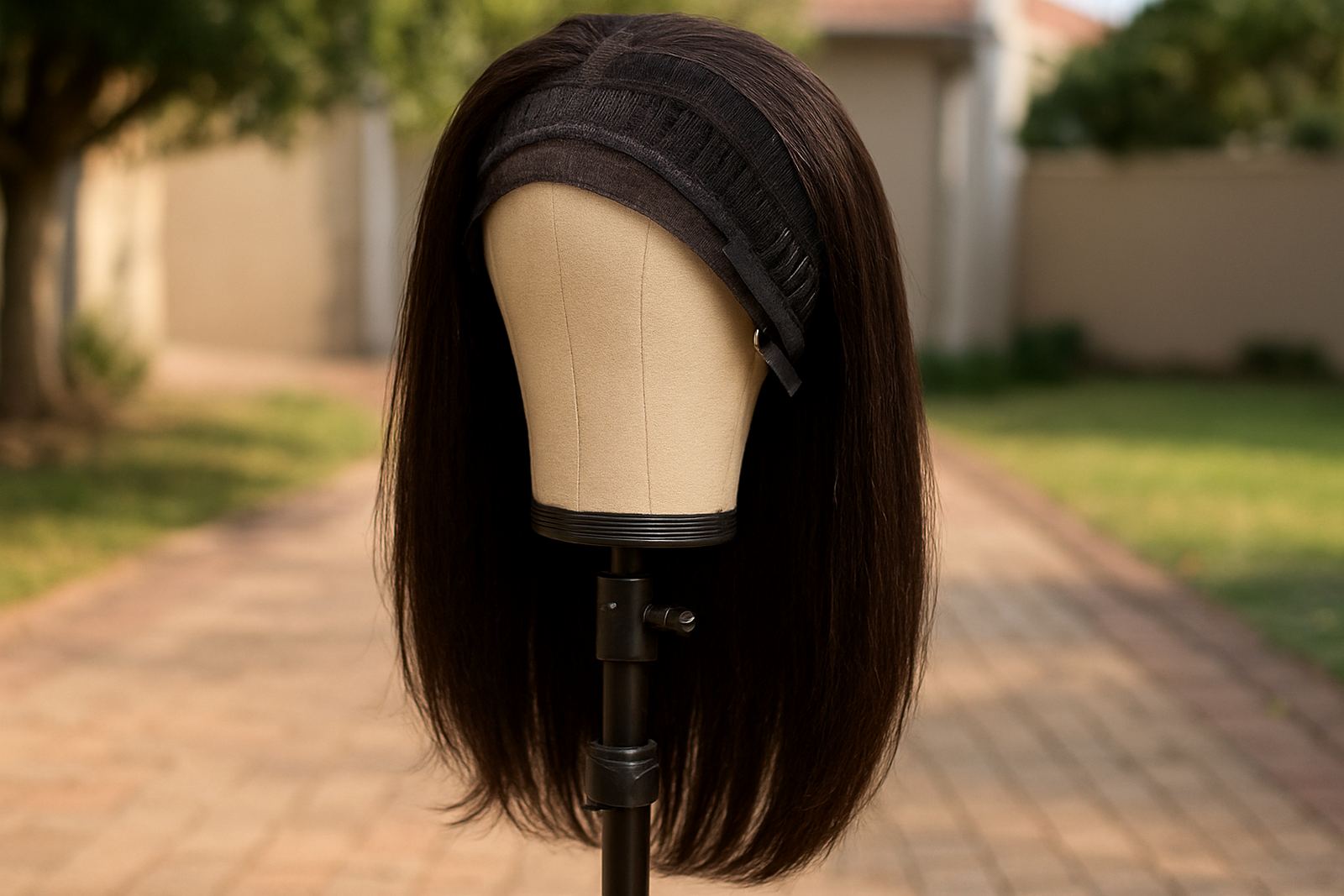
On busy mornings, keep your routine simple. Check that your scalp is dry, your wig cap is positioned correctly and your edges are not being pulled tight. A comfortable fit matters more than forcing a look. If the cap feels loose, use the adjustable tabs where available, or book a cap size adjustment when the fit keeps shifting. In humid weather, a dry base is also less likely to slip during the day.
Fit the wig in natural light if you can
Natural light helps you see the hairline, parting and overall balance properly. Stand near a window or outside in the shade and place the wig gently from front to back. Do not rush the front line. Set it first, then adjust the sides and the back so the unit sits evenly on your head.
- Align the centre of the wig with the centre of your face
- Check that both ear tabs sit at the same height
- Press the hairline lightly so it settles without strain
- Move your head side to side to confirm it feels secure
If you wear your wig every day, learn the difference between a snug fit and a tight one. A fit that is too firm can cause headaches and tension around the hairline. A good daily fit should feel steady when you walk, talk and commute, whether you are in Umhlanga traffic or making your way through the day in Westville or Hillcrest.
Keep the styling light and practical
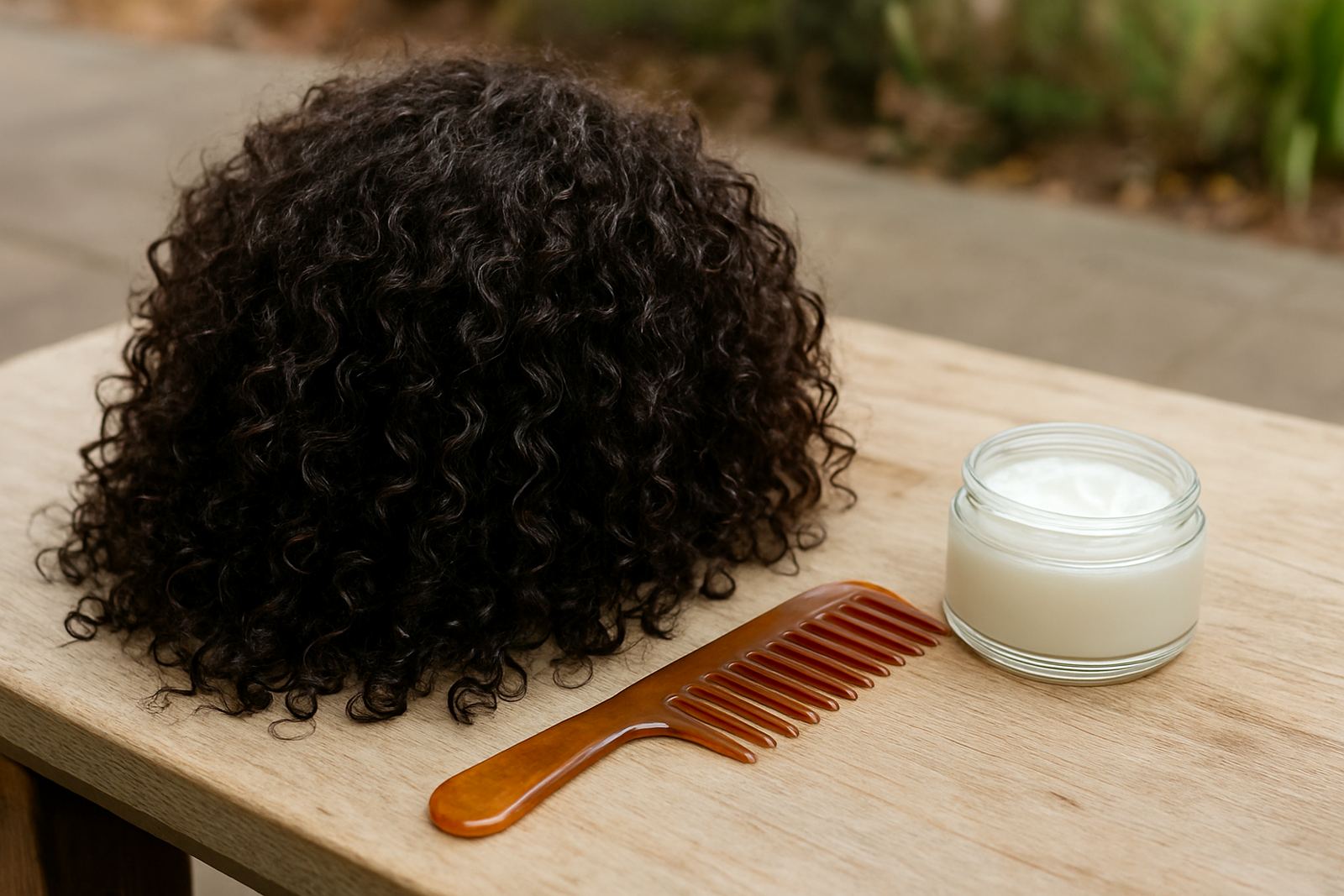
For an everyday look, less styling is usually better. Brush or comb the hair gently from the ends upward and use just enough product to control flyaways. Heavy creams and oily serums can build up quickly, especially in coastal humidity, and may weigh the hair down.
Choose a style that suits your routine. Straight styles are easy to smooth, soft waves hold movement well, and a low ponytail can be neat for work or errands. If you need a quicker morning, keep a few styling tools ready in one place so you are not searching for clips, a brush or a scarf before you leave the house.
- Use a wide-tooth comb or wig brush to reduce pulling
- Apply product to the mid-lengths and ends first
- Use low heat only if the fibre or hair type allows it
- Leave the front hairline as natural as possible for a softer finish
Wash and refresh before the build-up starts
Even an everyday wig needs regular care. If you wear it often, do not wait until it looks dull or feels sticky. A light refresh routine keeps the hair cleaner for longer and helps maintain movement. In Durban’s weather, sweat and moisture can collect at the cap, so a proper wash schedule is important.
After a long week, let the wig rest on a stand where air can circulate through it. If it has absorbed odours from commuting, a warm day out in Umhlanga, or time spent indoors during load-shedding, a gentle wash can bring it back to life. Always allow enough drying time. Putting on a damp wig can affect the shape and make the cap feel uncomfortable.
- Shake out dust and loose product after wear
- Wash when the hair starts to feel coated or heavy
- Pat dry with a towel instead of rubbing
- Let the wig dry fully before storing or wearing again
Store it properly so the shape lasts
Storage is where many good wigs lose their shape. When you take the wig off, turn it inside out only if needed for cleaning, then place it on a stand or in a breathable bag once it is fully dry. Keep it away from direct sun, steam and cramped spaces where the fibres can flatten.
If you are moving between home, work and events, keep one storage method for home and another for travel. A silk or satin bag works well for protecting the hair during short trips, while a stand is better for overnight storage. In coastal homes where humidity rises quickly, avoid sealed plastic containers unless the wig is completely dry. Trapped moisture can lead to odour and poor texture.
Use one weekly check to stay ahead of problems
A simple weekly check saves time later. Take a few minutes to inspect the cap, combs, straps, parting and overall texture. Look for shedding, tangling, loosened stitching or areas that need re-setting. If the wig has lace, make sure it still sits neatly and has not lifted at the front.
Many clients in Durban North, La Lucia and Ballito find that a weekly routine keeps their wigs ready for work, school runs and events without last-minute stress. If you wear lace front wigs regularly, schedule a refresh before an important meeting or celebration. For clip-ins and ponytail pieces, make sure the attachment points are clean and not bent. Small checks like these help your hair stay polished with far less effort.
- Inspect the lace and hairline for lifting
- Check straps and clips for wear
- Detangle before the knots set in
- Book a private consultation if the fit no longer feels right
A simple Umhlanga weekday example
Picture a weekday morning in Umhlanga. You are getting ready for work, the kettle has boiled, and you need a look that is neat by 7:30 am. Your wig has been stored overnight on a stand, so it is already holding its shape. You slip on your cap, fit the wig in natural light, smooth the sides and add only a small amount of styling product to the ends. The whole process takes a few minutes and the finish still looks clean by late afternoon.
That is the aim of an everyday routine. It should suit your pace, your climate and your schedule, whether you are heading to the office, a client meeting or a family event. If you need support with wig fitting, lace customising, wig styling, colour matching or a virtual consultation, the right guidance can make your daily routine far easier. A well-fitted wig should work with your day, not against it.