
1. Buying hair before checking your own texture and lifestyle
The first mistake is choosing hair because it looks good on the packaging or in a social post, without thinking about how you actually wear your hair. If your natural hair is fine and you want volume for weekends and events, heavy pieces can pull at your roots. If you swim often, work long hours, or need something for everyday wear in humid coastal weather, you need a different option from someone who wants hair just for weddings.
At our Umhlanga boutique, we often see clients from Durban North and La Lucia come in after buying hair that was too dense, too long, or too hot for daily life. The better approach is to match the hair to your routine first, then choose the length, weight, and installation method. That way you are not fighting frizz, tangling or sore edges by week two.
- Choose length based on your height and wardrobe, not just trend photos.
- Check whether you want daily wear, occasional wear, or event hair only.
- Think about humidity, gym time, and how much styling time you really have.
2. Ignoring colour match under natural daylight
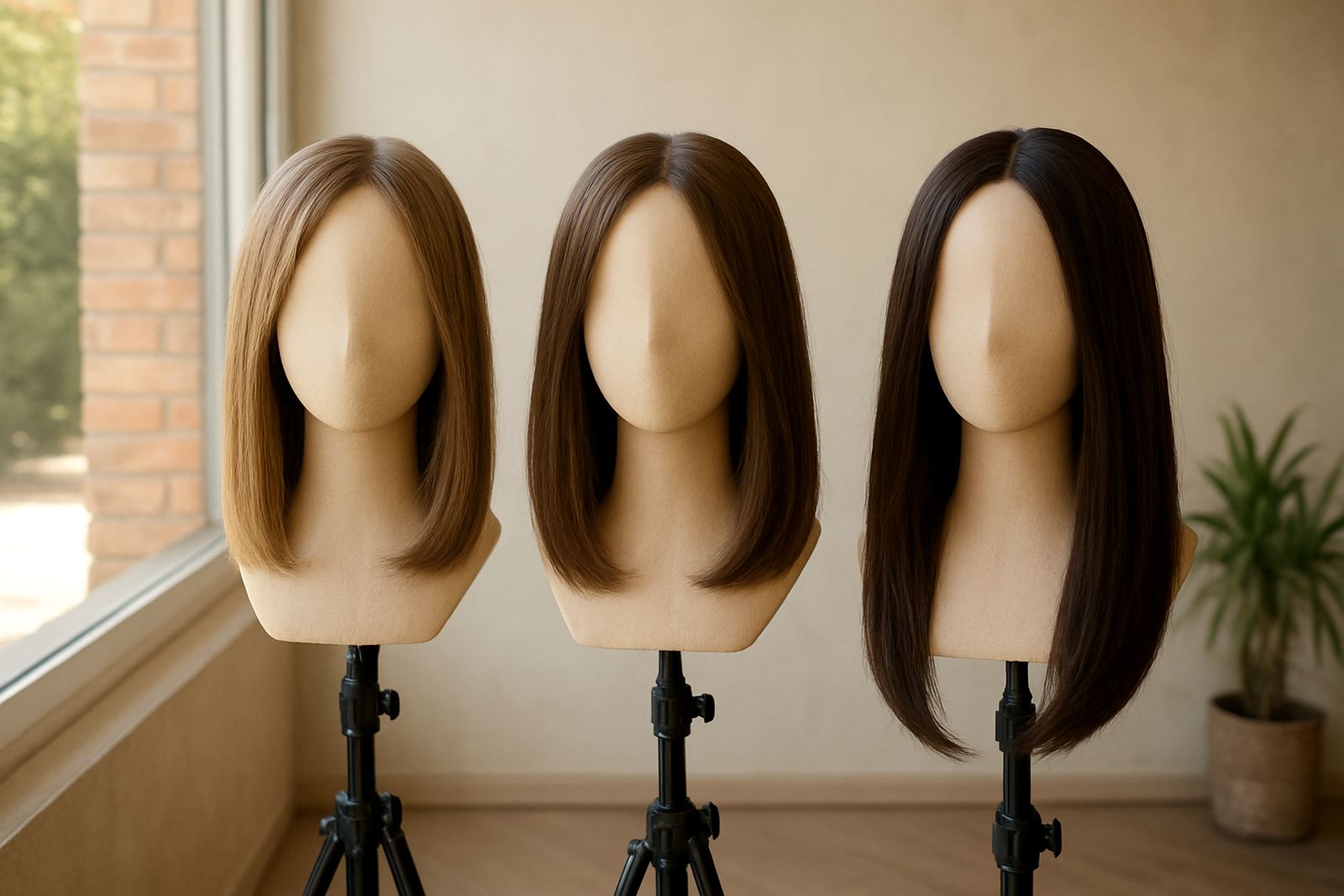
A shade that looks perfect indoors can read completely differently outside in Durban sunshine. Beginners often hold the hair up under warm shop lighting and think it matches, then notice the colour shifts once they are in the car, at Gateway, or walking by the beach. That is why colour matching should always be checked in natural light when possible.
If your roots are darker, the ends lighter, or your hair has warm undertones, a flat match can look off. A softer blend often works better than trying to force one exact shade. Our team also sees many clients try to match extensions to a dyed colour that has already faded. That can leave the finish looking patchy and a bit obvious.
- Compare the hair against your mid-lengths and ends, not only your roots.
- Test the colour near a window or outside in shade.
- If you are between shades, aim for a blended finish rather than a hard match.
For many first-time buyers, a short private consultation saves money and avoids a second purchase. It is easier to get the tone right from the start than to fix it later with extra colouring or toner.
3. Choosing the wrong install method for your hair and calendar
Not every method suits every head of hair. Beginners sometimes book the first install they hear about, then discover it needs more upkeep than they can manage. Clip-ins are useful for quick changes, ponytail pieces work well for events, and tape-in fitting can be a better choice when you want a more settled everyday look. Lace front wigs are brilliant for versatility, but only if you are ready for fitting, styling, and regular care.
If you have a school run, office commute, or a busy schedule in Westville or Hillcrest, the easiest method is often the one you can maintain properly between visits. A style that looks fantastic on day one can become stressful if it needs daily restyling and you do not have the time.
- Ask how long the method takes to install and to remove.
- Check what maintenance is needed at home between visits.
- Choose a method that fits your week, not just your event.
Wig fitting, lace customising, cap size adjustment and wig styling all help, but only when the chosen piece suits your needs in the first place. If the fit is wrong, even high quality hair can feel uncomfortable.
4. Skipping the basics of care in heat, humidity and load-shedding
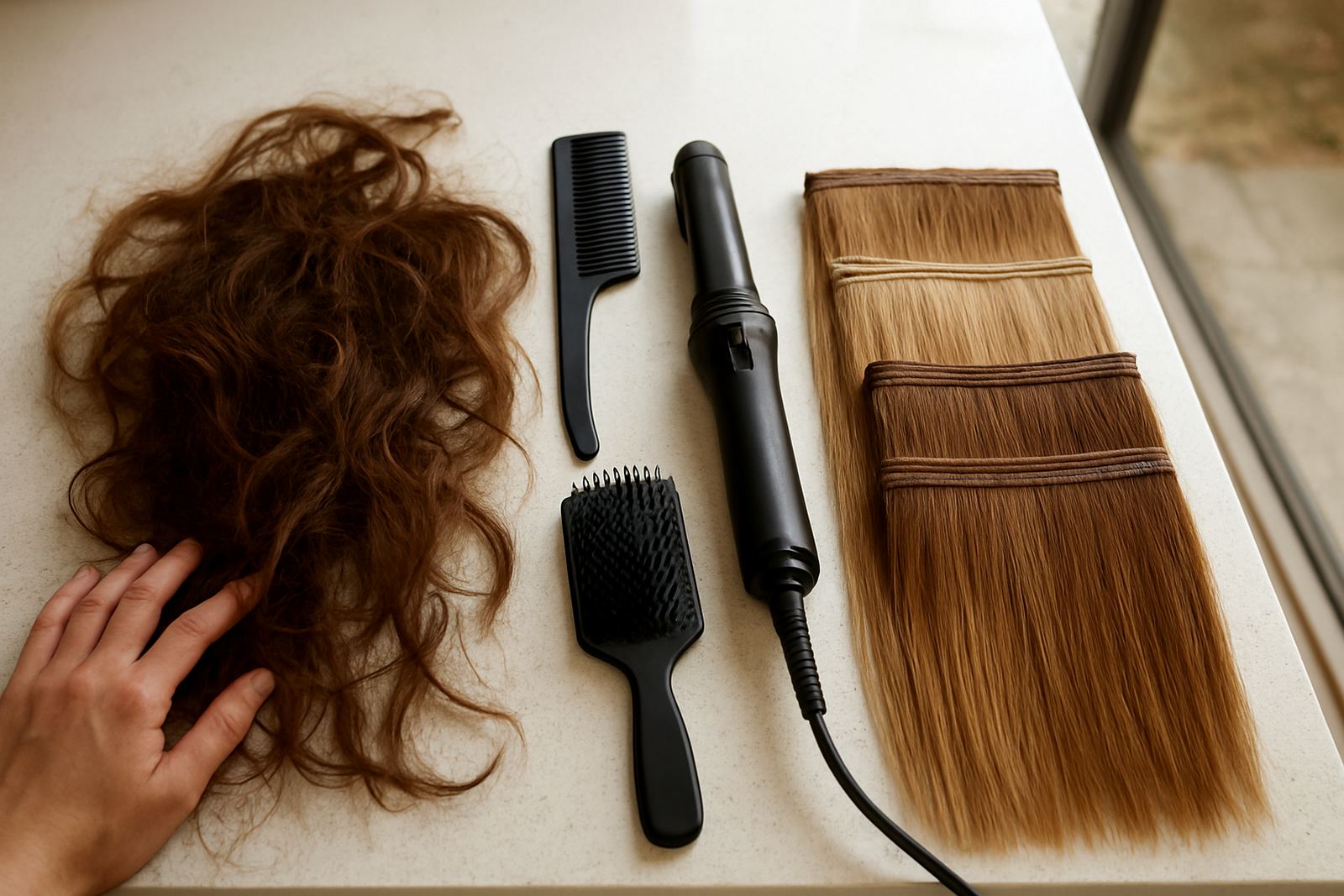
South African weather is not gentle on extensions. Coastal humidity can cause frizz and swelling, while dry indoor air and repeated heat styling can leave the hair flat and brittle. Beginners often over-wash, over-iron, or store their hair badly, then wonder why it loses shape so quickly.
Another common issue is care during load-shedding. If your routine depends on a blow dryer, straightener or hot tools every morning, interruptions can leave you rushing and using too much heat once power returns. That is hard on the fibre and hard on your patience too. A simple evening prep routine helps more than frantic styling the next day.
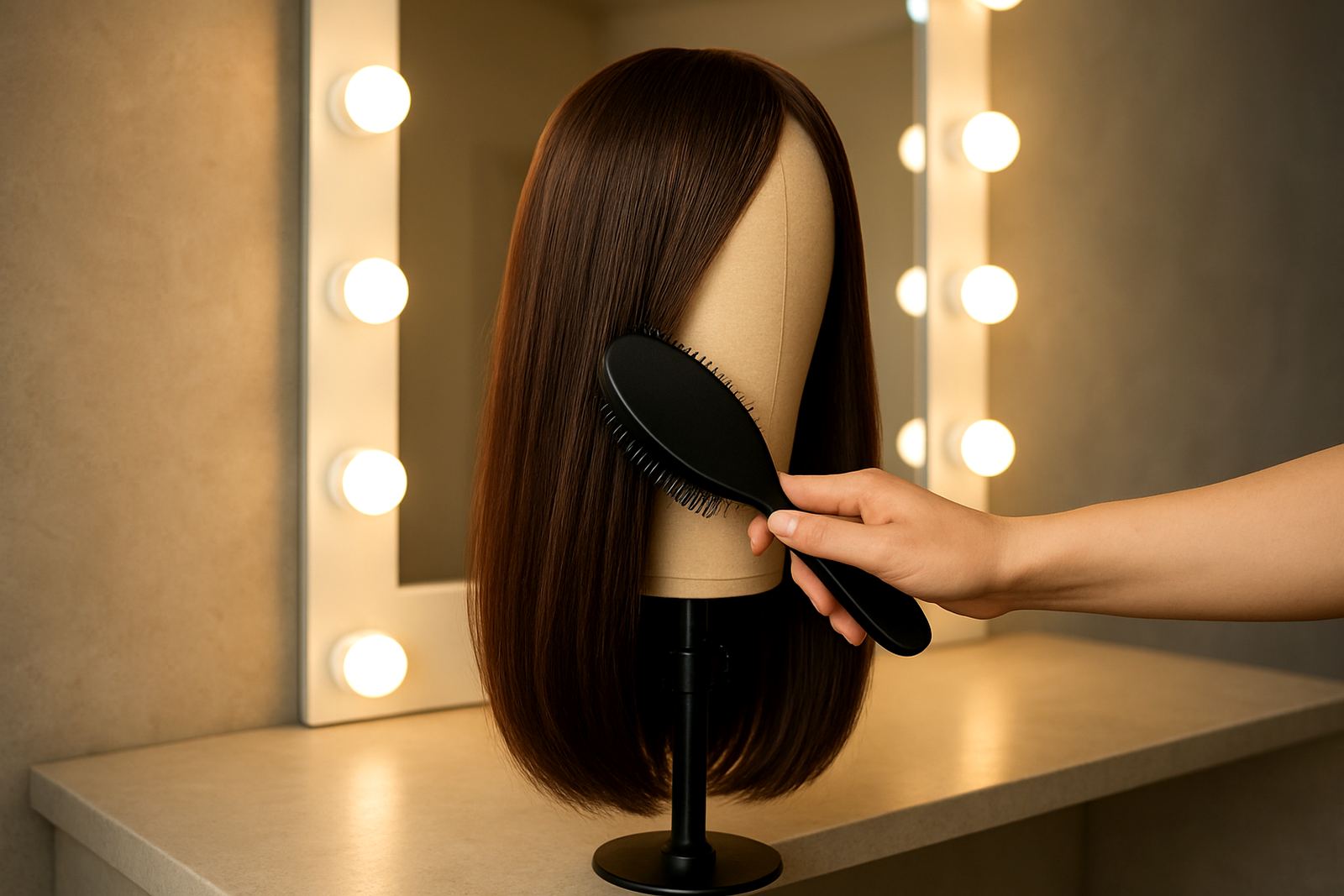
- Detangle gently from ends to roots with the correct brush or comb.
- Wrap, plait, or cover the hair before bed.
- Keep heat to the lowest level that gives the finish you want.
- Use light products so the hair does not go heavy in humid weather.
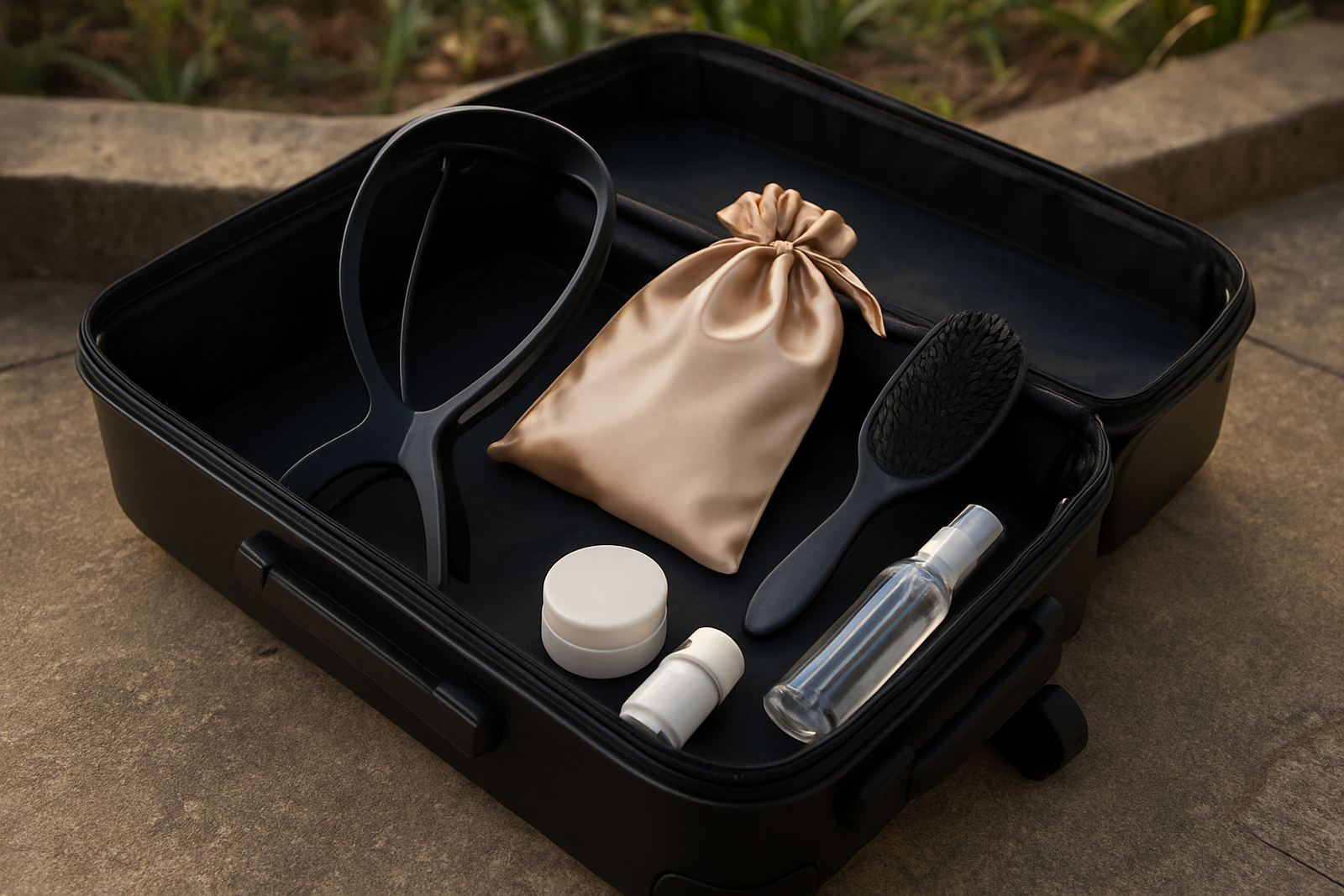
We also remind clients to store pieces in a clean, dry place away from direct sun. In a coastal area like Umhlanga, a little extra care goes a long way.
5. Wearing extensions without protecting your own hair underneath
Extensions should support your look, not compromise the hair beneath. Beginners sometimes focus only on how the added hair appears and forget about scalp comfort, tension, and breakage. Tight installs, heavy pieces, or repeated tugging at the edges can cause problems that take time to recover from.
It is worth being honest about your own hair condition before choosing a method. If your hairline is sensitive, your edges are thin, or your scalp is dry, you may need a softer approach and shorter wear periods. A good install should feel secure, but not tight. You should be able to sleep, move, and go about your day without constant pulling.
Be careful as well with cap size. Many first-time wig buyers pick a generic fit and then spend the whole day adjusting pins and straps. That does not only feel annoying, it can also affect the natural finish.
- Never ignore soreness, itching or headaches after fitting.
- Use protective prep under wigs and install methods where suitable.
- Book an adjustment if the cap feels loose, tight, or uneven.
6. Waiting too long to ask for help after the first wear
The final mistake is trying to solve every issue alone. Beginners often wait until the hair is already tangled, lifted, or out of shape before asking what to do. By that stage, a simple refresh may still help, but it takes more time and can be harder on the hair.
If you are unsure whether your piece needs a trim, a restyle, colour matching, or a fitting change, it is better to ask early. That includes small things like a ponytail install that slips, a lace front that does not sit properly, or clip-ins that feel bulky at the sides. Our team sees these issues often from clients across Ballito, Phoenix and Amanzimtoti, especially after a first event wear.
The good news is that most beginner mistakes are easy to avoid once you know what to look for. Start with the right match, choose the right method, and keep the care routine simple. You do not need to know everything on day one, but you do need to ask the right questions before you buy.
That is what makes the process feel less stressful and more natural. With good advice and a proper fitting, your extensions should work with your life, not against it.