
Start with the right finish for the fibre and style
Shine behaves differently on every hairpiece. A clip-in set, a lace front wig and a tape-in install will all react differently to heat, humidity and styling product. In Umhlanga and along the coast, salt air can make some fibres look dull faster, while heavy serums can leave a coated finish that catches the light in an unnatural way.
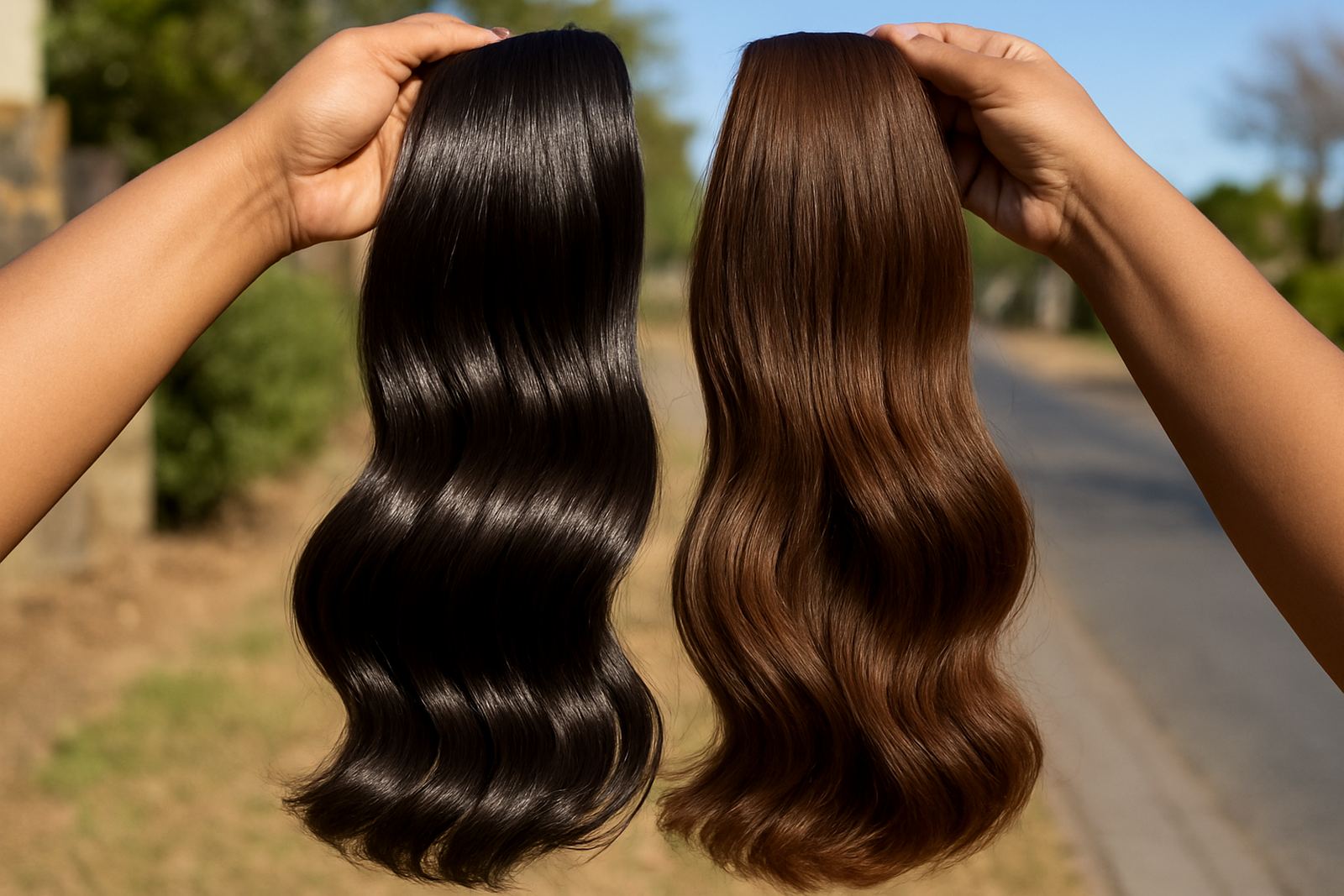
Before you apply anything, check how the piece looks in daylight. A balanced finish should move cleanly and show depth, not a hard gloss on the top layer. If you are working with a dark shade, a little sheen is normal. If the shine looks wet, sticky or patchy, the product load is probably too heavy.
- Use less product on fine or silky textures
- Choose light misting over creamy layers where possible
- Test new products on one small section first
- Keep a separate routine for synthetic and human-hair pieces
Wash gently so residue does not build up
Product build-up is one of the main reasons hair starts looking dull in the middle and shiny at the roots. It is common when people use too much leave-in, edge control or heat spray between washes. A simple cleanse resets the finish and keeps the piece soft enough for daily wear.
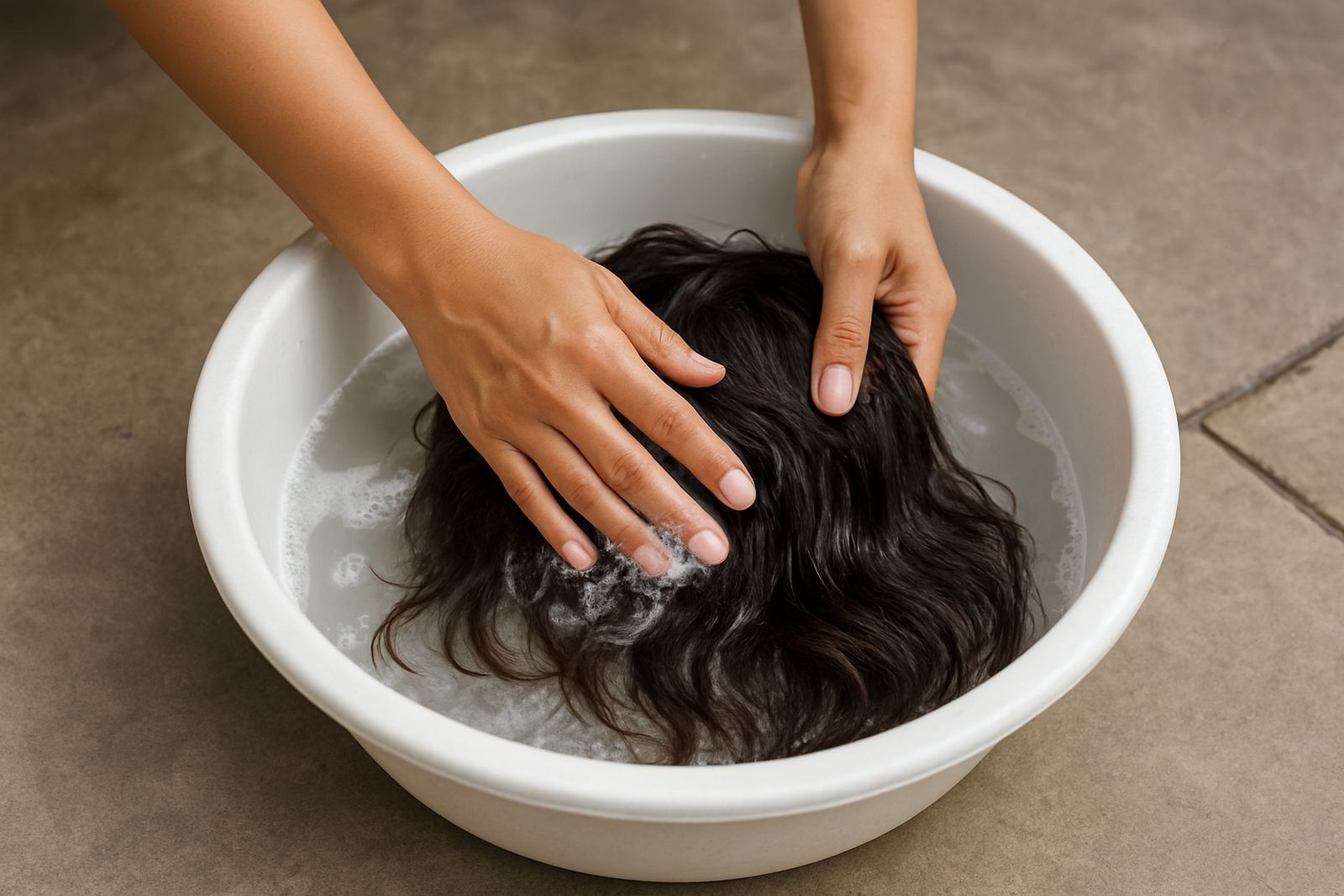
Use lukewarm water and a small amount of gentle cleanser. Work from the top down with your fingers, never roughing up the hair. If the piece is a wig, keep the cap supported so the knots and lace do not stretch. For extensions, be careful around bonds, tape tabs and attachment points. Rinse well, because leftover product can make the hair look greyish or oily after it dries.
- Wash after 6 to 10 wears, or sooner if you use styling cream often
- Rinse until water runs clear and no slip remains
- Do not scrub the lace area hard
- Pat dry with a towel, do not wring the hair
Use product in small amounts and layer slowly
Light product use gives you control. Start with a small amount and build only where needed. For shine balance, the goal is to smooth flyaways without making the whole head reflect too much light. A pea-sized amount can go a long way on a short bob, while longer lengths may need just a little more on the ends.
If the hair already has a healthy finish, skip shine spray and use only what is needed for frizz control. In humid Durban weather, too much oil can attract dust and leave the hair looking tired by the end of the day. On the other hand, in dry indoor settings or under strong event lighting, a light mist may be enough to stop the hair looking flat.
- Apply product to palms first, then smooth through the ends
- Avoid heavy layers at the roots and parting
- Use a wide-tooth comb to spread product evenly
- Wipe off excess from the lace and skin before it sets
Protect the style from heat, sun and humidity
Sun, heat and moisture all change how shine shows up. A piece that looks perfect indoors can become flat or slightly oily after a long day outside, especially near the coast. If you are commuting through Durban North, La Lucia or Ballito, or attending an event in Amanzimtoti, it helps to plan for the weather and the time you will spend outdoors.
Use heat only when needed and keep tools on the lower setting that still gives the result you want. High heat can strip moisture and create a dull, rough finish, then people try to fix it with more product and the cycle starts again. For outdoor wear, a light protective spray can help, but too much will not help and may even leave the hair looking sticky.
- Carry a small brush or comb for quick touch-ups
- Avoid direct sun on the same section for long periods
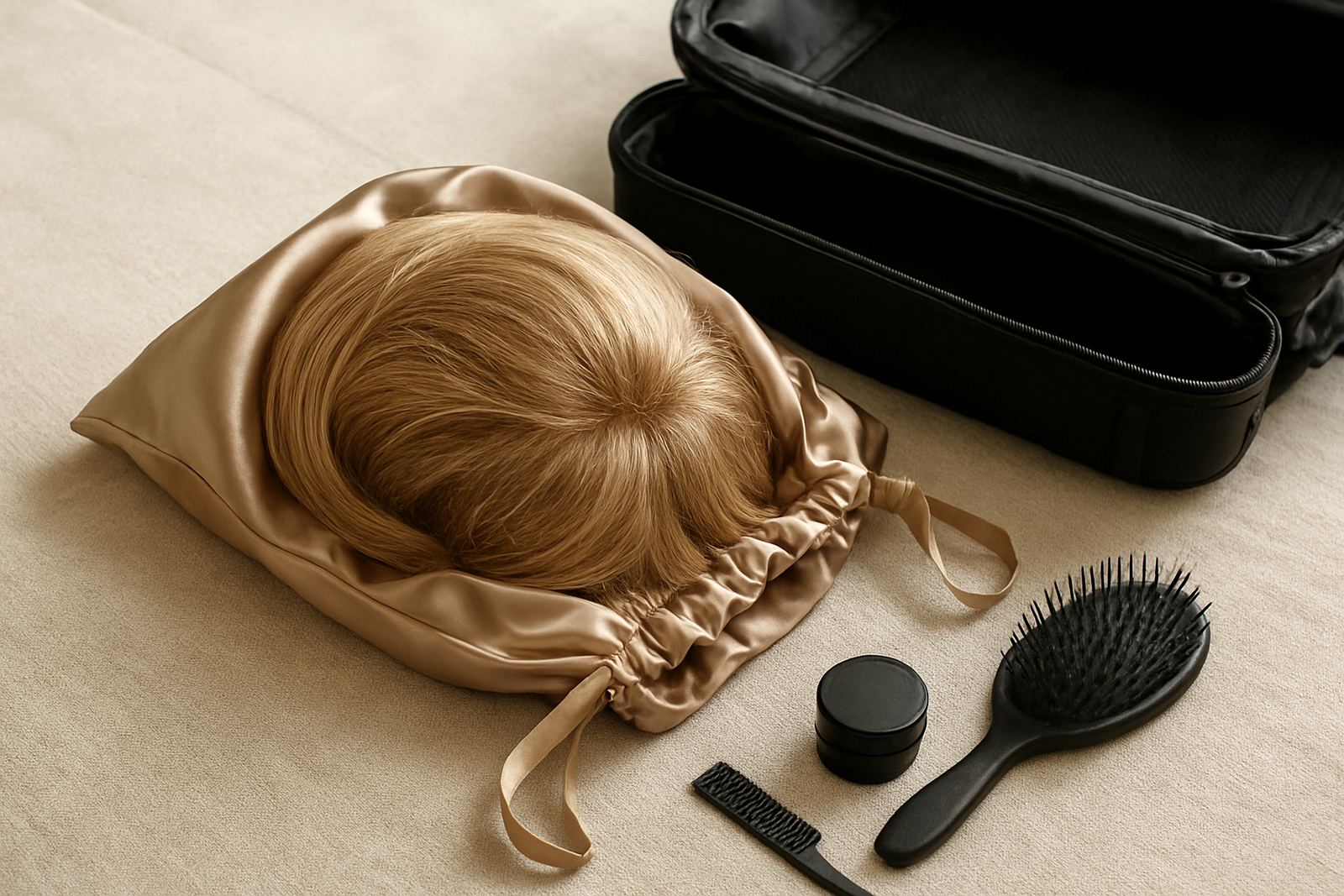
- Use a scarf or loose cover during travel when possible
- Let sweaty or damp hairpieces dry fully before storing
Match the finish to the occasion, not just the mirror
What looks right at home may not look right under bright shop lighting, cameras or stage lights. A little extra glow can be useful for a wedding, matric dance or event hair booking, but day wear usually needs a softer look. The same applies to private consultations and virtual consultations where the final choice depends on face shape, shade and the kind of finish you prefer.
If you want a more natural look, aim for soft movement and low glare. If you want a more polished result, focus on smoothness rather than shine alone. Balance comes from shape, texture and condition working together. A wig fitting specialist can help you choose the right density and cut so the finish suits your face and your routine.
- For daily wear, keep shine low to medium
- For photos or events, add light gloss only where needed
- For cooler months, recheck the ends for dryness
- For warm weather, reduce heavy creams and oils
Simple weekly checklist for lasting balance
A short routine makes a big difference. If you keep to a weekly check, you can spot dryness, build-up and over-shine before they become obvious. This is especially useful if you rotate between clip-ins, ponytail fittings and full wigs through the week.
Use this checklist as a quick reset. It takes a few minutes and helps the hair stay presentable for school runs, office days, weekend plans and last-minute bookings. If a piece starts to feel stiff, slippery or too flat, reduce product before you add more. The aim is to keep the finish looking like hair, not a coating.
- Brush gently and check for tangles at the nape and ends
- Look for dull patches, sticky spots or white residue
- Clean the hairline, lace and parting area
- Confirm the cap still fits comfortably and sits flat
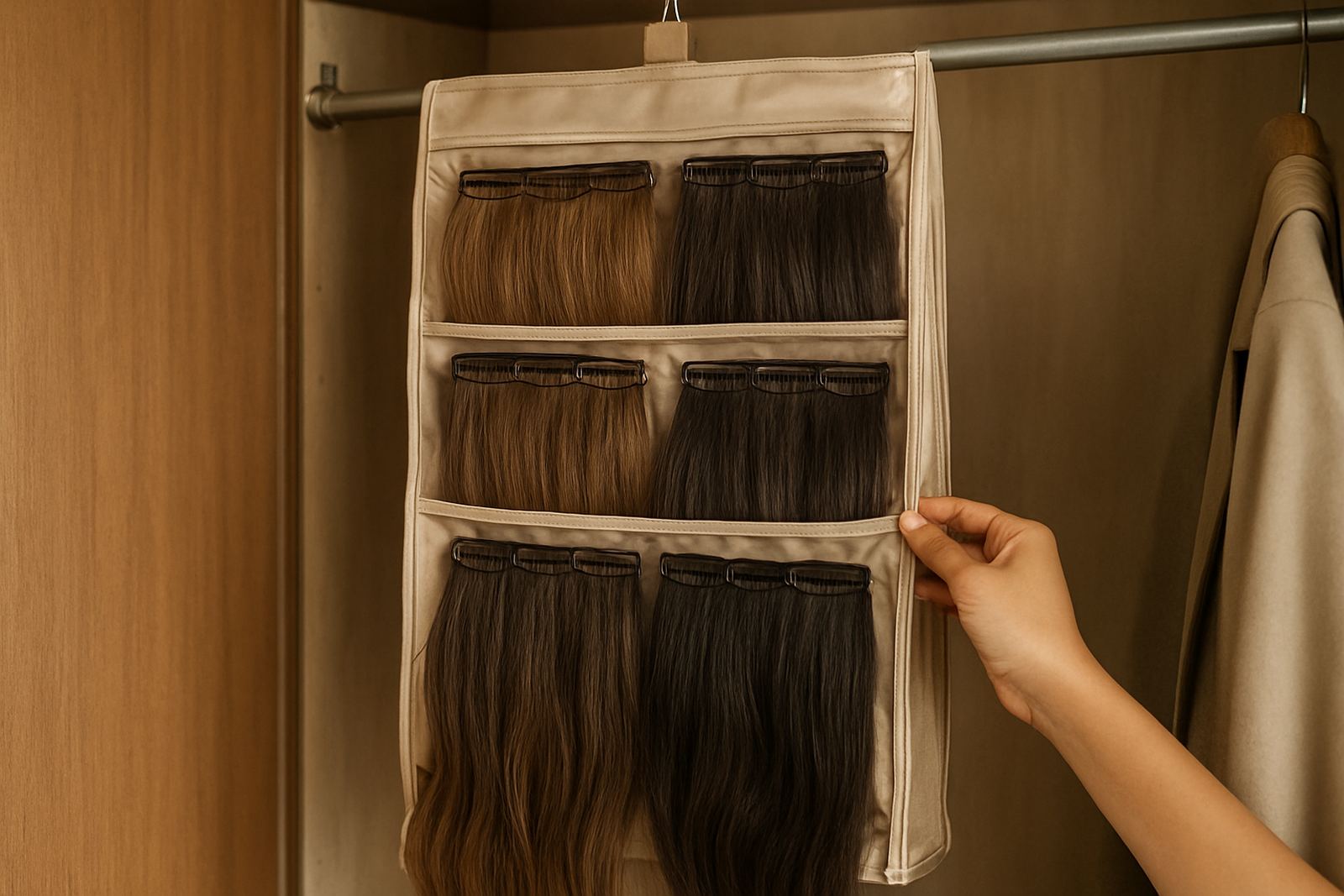
- Store on a stand or in a cool dry place away from direct sun