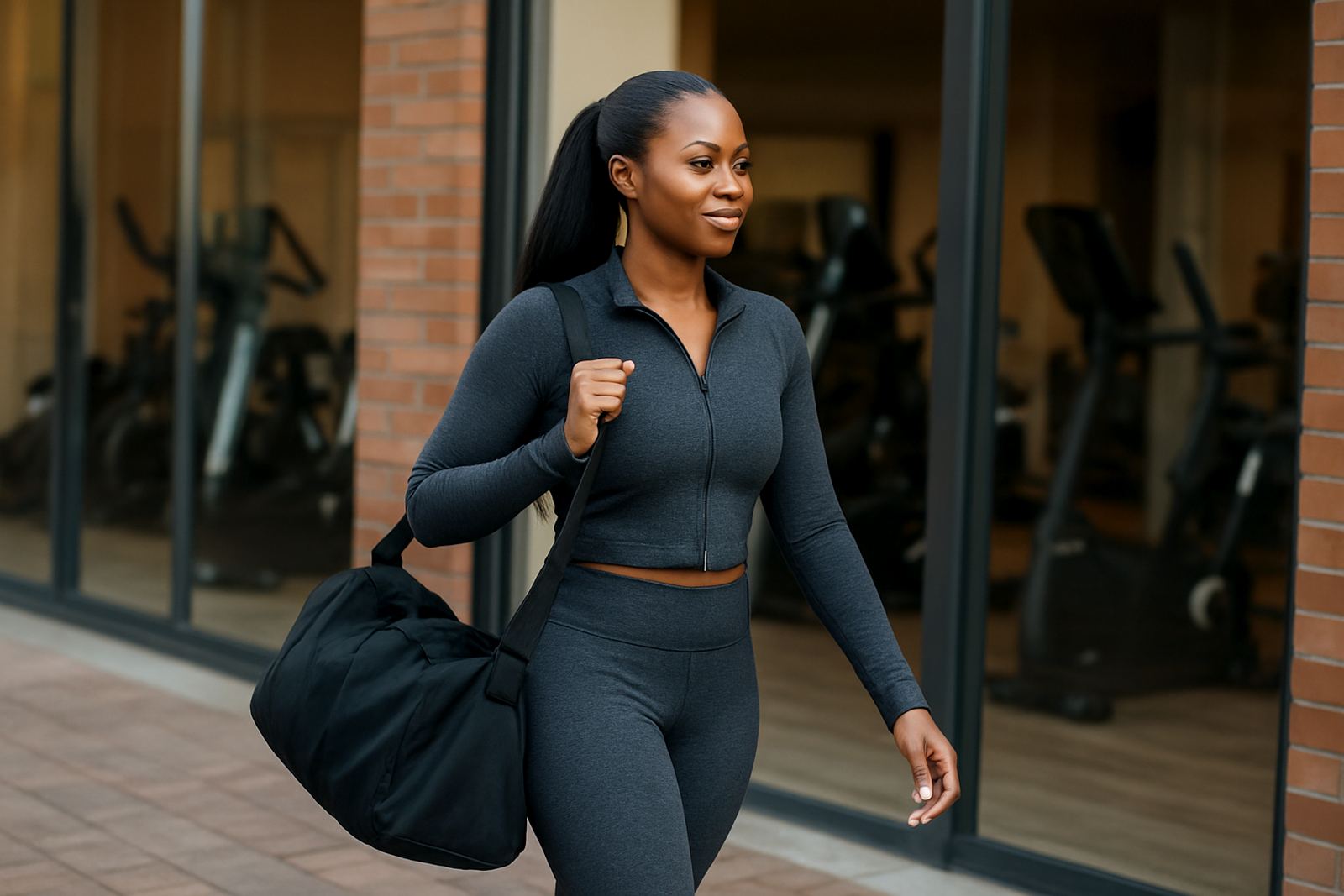

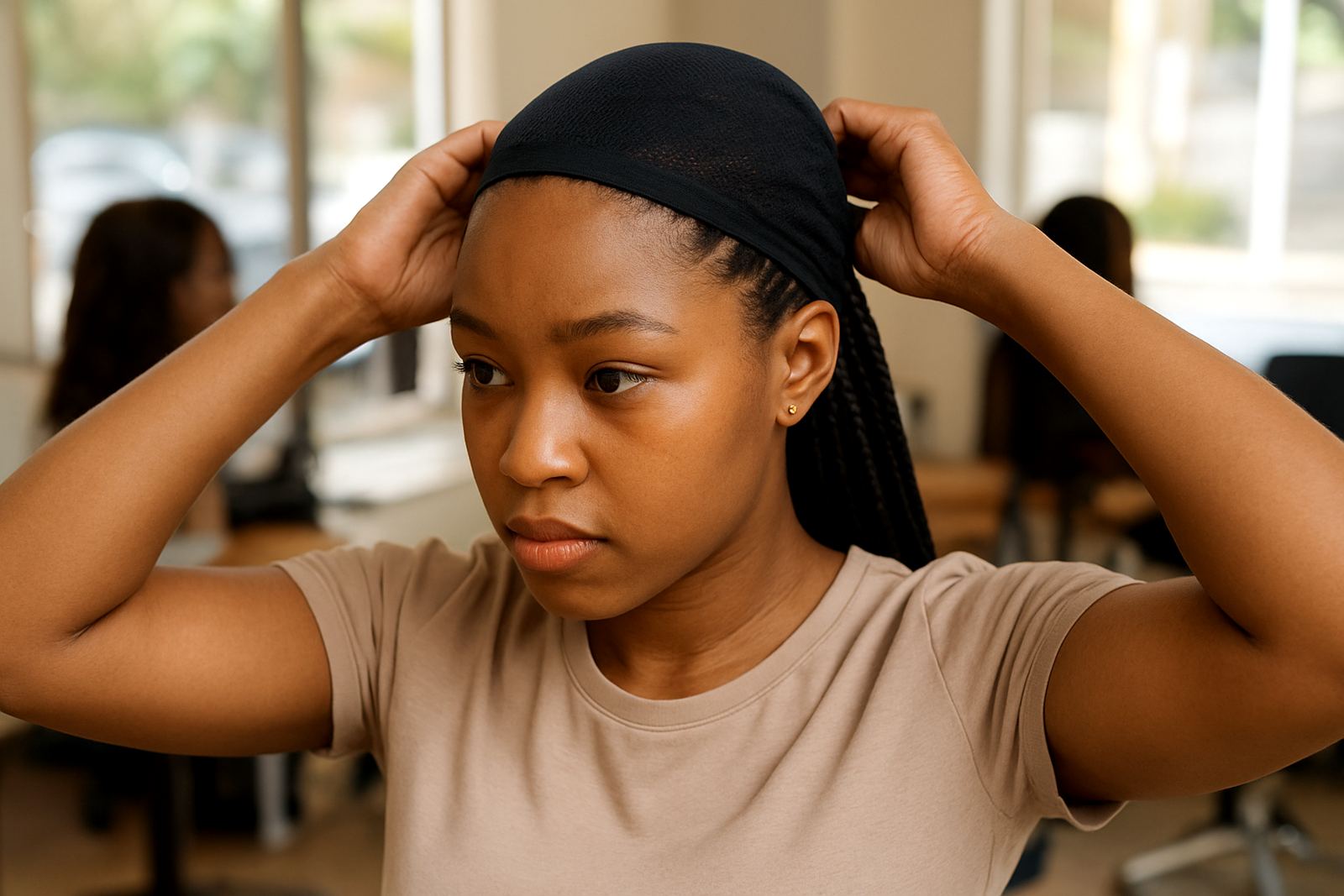
When protective styling makes sense for your hair routine
Most clients come in when their own hair is under stress from heat, tight styling, colouring, braiding, or simply too much handling week after week. Protective styling can help if you are growing out relaxed hair, managing fragile edges, recovering after a sew-in, or just trying to keep mornings simple. It is also useful in Durban’s humid weather, where constant re-styling can leave hair frizzy before lunchtime.
The goal is not to hide your hair forever. It is to reduce combing, brushing, flat ironing, and tugging so your natural hair can rest under a style that suits your lifestyle. Some clients wear a wig for Monday to Friday and remove it at night. Others use clip-ins or tape-ins for weekends, travel, or special events. The best option depends on how much time you have, how often you want to reinstall, and how much care your scalp needs.
- Low-manipulation styling for busy schedules
- Support for hair breakage, thinning, or post-colour recovery
- Options for short-term wear or longer wear periods
Choosing the right protective option for your situation
For many women, the starting point is a wig. Lace front wigs give a natural-looking hairline and can be removed daily, which helps if you want to keep your own hair clean and moisturised. Full wigs are practical for clients who want quick styling with no leave-out. Clip-ins suit anyone who wants volume for a few hours or a few days at a time, while tape-in fitting is often chosen for a more blended finish that still keeps daily styling light.
If your hair is very fine, a heavier unit can create pressure, especially around the temples. If your scalp is sensitive, a cap size adjustment may help more than buying a style that is too tight and trying to force it to work. Our team often recommends a private consultation or virtual consultation for clients in Ballito, Westville, Hillcrest, Phoenix, Amanzimtoti, Durban North, and La Lucia who want a clear plan before they order or book fitting.
- Wigs for full coverage and lower day-to-day handling
- Clip-ins for temporary fullness and event styling
- Tape-ins and ponytail fitting for a more permanent look with less heat use
- Cap size adjustment where comfort is the first priority
How we plan a protective style that still looks natural
Good protective styling starts with matching the hair to your own texture, density, and colour goals. A style that is too silky can stand out against natural hair, while a unit that is too full may look heavy on a smaller face. We look at where you part your hair, how much coverage you want at the front, and whether you need a style that works for office wear, church, weddings, or school drop-offs.
For many clients, lace customising and wig fitting are worth the extra effort because they make the protective style look intentional. Wig styling can include light shaping, trimming, or adjusting the hairline so the unit sits better. Colour matching matters too. In Durban light, especially near Umhlanga and the coast, warm browns, soft highlights, and natural black shades can read differently outdoors than they do under indoor lighting, so checking the tone in natural light is a smart step.
- Bring a reference photo, but also explain how you wear your hair day to day
- Consider your wardrobe and makeup, not only the hairpiece itself
- Choose a style that fits your normal routine, not just a single event
Common mistakes that make protective styling work against you
A protective style only protects your hair when it is fitted and maintained properly. One common mistake is wearing styles that are too tight. That can pull at the hairline and lead to soreness or breakage, especially around the edges. Another issue is leaving a wig on for too many days without cleansing your scalp, which can trap sweat and product buildup. In Durban’s humidity, that becomes uncomfortable quickly.
Clients also sometimes choose a style based only on the price, then end up buying extra products to fix it. A low-cost unit that tangles easily or sheds heavily can become expensive over time. It is also a mistake to skip cap size checks. A cap that slips during the day will need constant adjusting, which defeats the purpose of a low-maintenance style. If you are booking event hair, allow enough time for fitting and refresh work rather than collecting the style right before you leave.
- Avoid tight fitting around the temples and nape
- Do not ignore scalp care under wigs and extensions
- Do not buy solely on appearance, fit matters just as much
- Budget for maintenance, not only the first purchase
Practical budget ranges for protective styling in Rand
Protective styling budgets can vary quite a bit depending on whether you are buying a new unit, booking a fitting, or adding custom work. A simple clip-in set can start from around R500 to R2 500 depending on length and fullness. A good quality wig for regular wear often sits between R1 500 and R6 000, while higher density or longer pieces can cost more. If you need lace customising, styling, or colour matching, add a service budget on top of the product price.
For many clients, the most cost-effective route is to start with one dependable piece and maintain it well. A wig refresh, cap size adjustment, or styling session can extend the life of the item and keep it wearable for longer. Clients who want a more natural blend with less daily work may spend more upfront on fitting, but save time every week. If you are ordering for courier delivery nationwide, also allow for delivery time and any follow-up fitting you may want once the item arrives.
As a simple guide, many protective styling plans fall into these ranges:
- Entry-level clip-ins and basic add-ons: R500 to R2 500
- Everyday wigs with fitting and light custom work: R1 500 to R6 000
- Higher-end looks with customising, styling, and repeat maintenance: R3 500 and upward
Keeping your protective style working through the week
Once your style is in place, the aim is to keep it neat without overhandling it. Store your wig properly at night if it is not a permanent wear style. Use gentle cleaning on the scalp and leave enough time for drying, because damp hair under a unit can become uncomfortable fast. If you sweat during the day, especially in summer, let the scalp breathe before putting the style back on.
Clients from Umhlanga, Durban North, and the surrounding areas often prefer a consultation first so they can choose a style that suits travel, office time, and weekend plans. That practical approach saves money and frustration. Protective styling should make life easier, not add another full grooming routine. With the right fitting, the right cap size, and a style that matches your week, you can wear hair that looks polished while giving your own hair less work to do.
- Store pieces carefully so the shape stays neat
- Wash and dry your natural hair on a sensible schedule
- Plan maintenance before the unit starts looking tired